
 Caleb Turner
Position a sofa along the longest wall to create a natural focal point. This setup not only enhances the flow between distinct areas but also maximizes seating capacity. Make sure to leave enough space for easy movement, ideally three feet, to avoid any obstruction.
Integrate a dining table close to the cooking area, facilitating seamless transitions between meal preparation and dining. A round table works well in smaller spaces, as it encourages conversation and offers flexible seating arrangements. Consider using multifunctional pieces, such as benches or storage ottomans, to save space.
Utilize rugs to define each section, employing different textures and colors to distinguish areas while maintaining a cohesive look. This approach provides visual boundaries and can make the combined space feel more organized. Additionally, strategically place lighting fixtures, such as pendant lights over the dining area and soft lamps in the lounge corner, to create inviting atmospheres tailored for relaxation and socializing.
Incorporate open shelving or slim cabinets for storage, ensuring that essential items remain accessible yet out of sight. This not only enhances the aesthetic appeal but also keeps the area tidy. Opt for lighter colors on walls to make the environment feel expansive while adding pops of vibrant decor to inject personality.

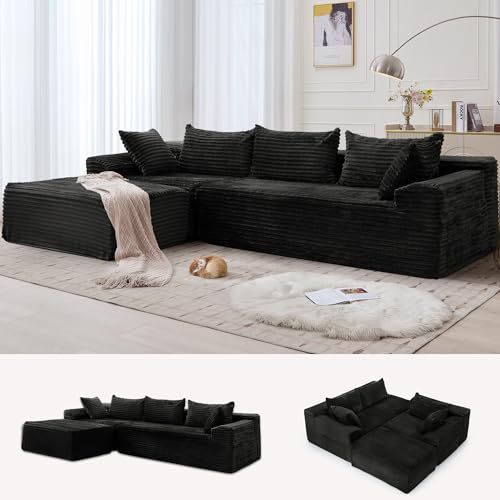

Furniture Layout Ideas for Combined Spaces
Position a comfortable sofa facing a multifunctional coffee table to create a welcoming area that invites conversation. Ensure enough space for easy movement between the cooking and relaxation zones.
Integrate open shelving near the cooking area to display attractive dishes or decorative items, enhancing the visual appeal and maintaining accessibility.
Incorporate a dining table that can double as a prep surface; this maximizes utility while providing a shared space for meals and gatherings. Choose a table with extendable features for flexibility during larger events.
Select chairs that are lightweight and easy to move, allowing for rearranging based on the occasion. This adaptability encourages an inviting atmosphere, making the area feel cohesive.
Utilize area rugs to define each section, delineating the cooking space from the relaxation zone while adding warmth and texture to the environment.
Install lighting that can be adjusted; pendant lights over the dining area combined with soft ambient lights in the sitting space can create a balanced and pleasant atmosphere.
Consider incorporating plants or greenery to enhance freshness; strategically placed planters can serve as natural dividers while contributing to the overall aesthetics.
Defining Zones for Living Room and Kitchen
To create distinct areas in your combined space, consider utilizing rugs to visually separate sections. A large area rug under the seating can delineate the relaxation zone.
- Use contrasting colors or patterns for rugs in each defined area.
- Install a peninsula or island to act as a physical barrier between cooking and lounging areas.
- Incorporate varied lighting fixtures; pendant lights above the food preparation space can clearly demarcate it from the recreational area.
Strategically position sofas and chairs to face away from the kitchen section, fostering a natural flow of movement while maintaining an open feel. Consider L-shaped or sectionals that fit snugly into corners, promoting conversation without obstructing pathways.
- Consider a bar cart or a small dining table as a transition element, providing functionality while enhancing the visual divide.
- Use open shelving as a divider that displays decorative items on one side while storing essentials on the other.
Incorporate greenery; plants can serve as natural separators while adding freshness and life. Opt for tall plants or slim trees in strategic spots to frame different zones.
- Utilize built-in shelving units to house both books and kitchenware, allowing for dual purpose and a more cohesive look.
- Integrate color schemes that blend but distinguish areas; warm tones for relaxation and cooler hues for culinary tasks can subtly guide function.
By thoughtfully defining these zones, each area can serve its purpose while maintaining an engaging and spacious atmosphere.
Choosing the Right Furniture Scale and Style
Select appropriately sized pieces that align with the available space. Oversized sofas or bulky tables can dominate, while tiny chairs may get lost. Measure areas before purchasing to ensure proper fit.
Opt for versatile items. A modular sectional can adapt as needs change, while a round dining table creates flow and movement. Multi-functional elements like an ottoman with storage also maximize utility.
Harmonizing Aesthetics
Maintain a cohesive design theme. If your cooking and relaxation areas feature modern aesthetics, stick with sleek lines and minimalistic designs. For a cozy feel, rustic or vintage styles can soften the visual impact.
Balance and Proportion
Create visual balance using symmetry or asymmetry. Pairing a large statement piece with smaller accents can achieve an interesting balance. Selecting materials that complement each other enhances the overall look, such as wood with metal accents.
Optimal Layouts for Space Efficiency
Position smaller seating units, like chairs or a loveseat, adjacent to the dining area to create a cozy nook without crowding the space. A round table can facilitate movement and social interaction, making it easier for guests to engage while dining or relaxing.
Use multifunctional pieces to maintain organization and reduce clutter. Consider a coffee table with storage or a bench that can serve as seating and a place for items. This approach allows for visual harmony while maximizing utility.
Incorporate open shelving or wall-mounted units to free up floor space. These can display decor or function as storage, keeping essentials accessible without obstructing movement paths.
Establish distinct pathways by keeping key areas clear. A minimum of three feet between high-traffic zones enhances flow. Position larger, bulkier pieces against walls to create an open center area, which provides flexibility for various activities.
- Choose light colors for walls to reflect natural light and create the illusion of more space.
- Incorporate mirrors strategically to deepen the visual perception of the area.
Keep a cohesive theme through color and material choices. This unification helps in tying different sections together, making transitions feel seamless while ensuring visual appeal throughout.
Finally, consider the vertical space. Install higher cabinets in the cooking zone and utilize shelving in the relaxation area to maintain floor space free for movement.
Maximizing Storage Solutions in a Combined Space
Incorporating vertical shelving units can free up valuable floor space. I place these along walls, maximizing storage for decorative items and kitchen essentials.
Utilizing multi-functional pieces is key. I opt for ottomans with hidden compartments to stow away blankets or board games, enhancing utility without cluttering the area.
Open cabinets or floating shelves add charm while keeping items accessible. I display frequently used dishes and glassware to create an inviting atmosphere that also promotes organization.
Integrating under-sofa storage bins can be a game-changer. I find this ensures items are out of sight but easily reachable when needed.
Using the area above the refrigerator for seasonal items is a practical solution. It’s often overlooked as storage, yet it keeps things organized and out of the way.
Incorporating hooks or pegboards not only adds storage but also acts as a decorative feature. I hang utensils, aprons, or even plants, creating visual interest while maximizing functionality.
Finally, optimizing closet space with organizers allows me to categorize and easily access items, ensuring everything has its place in the dual-purpose environment.
Incorporating Multi-Functional Furniture Pieces
Opt for items that serve multiple purposes, such as a coffee table with built-in storage. This allows me to keep essentials handy while minimizing clutter.
A sleeper sofa can transform my space, providing additional seating during the day and converting into a bed for guests at night. Selecting models that easily move or fold adds flexibility.
Consider a dining table that doubles as a workspace. This versatile piece can help me seamlessly switch between meal prep and remote work, maximizing utility without sacrificing style.
Bar carts or mobile islands can enhance accessibility. I can roll them into the center for serving during gatherings and tuck them away when not in use, keeping pathways clear.
| Multi-Functional Item | Benefits |
|---|---|
| Coffee Table with Storage | Reduces clutter, keeps essentials organized |
| Sleeper Sofa | Offers seating and sleeping options |
| Dining Table/Workspace | Facilitates dining and productivity |
| Mobile Island/Bar Cart | Adds versatility and easy storage |
Choose benches with hidden compartments for additional seating and storage options, enhancing both functionality and visual appeal. It’s about maximizing limited space creatively.
Utilize nesting tables that can be separated or grouped as needed. This adaptability allows me to adjust the layout depending on the occasion.
Incorporating these versatile pieces transforms a small area into a dynamic space, perfect for diverse activities while keeping it organized and stylish.
Enhancing Flow and Movement Between Areas
To facilitate smooth transitions, I recommend using area rugs to visually define pathways. Place these textiles strategically to guide traffic while adding warmth to the space. This technique helps delineate where one zone ends and another begins.
Incorporating furniture with rounded edges or slim profiles can improve mobility, allowing for easier movement. I find that opting for elevated designs, like legged sofas or open shelving, visually lifts the area, creating an airier feel that promotes flow.
Creating sight lines is essential. Positioning seating opposite each other encourages interaction and connects separate sections. Ensure that the view from the dining space to the relaxation area remains unobstructed, enhancing engagement and connection.
Consider a unified color palette that spans both areas. This cohesion visually links the two spaces, making transitions feel more natural. Accents can weave in contrasting tones, but keeping the foundation consistent assures harmony.
Utilizing mobile pieces, such as wheeled carts or stools, adds versatility. They can easily shift to accommodate gatherings or daily needs, adapting to the flow of activities without compromising space.
Incorporating open shelving or glass cabinets allows light to pass through, enhancing the perceived space. This transparency connects areas while maintaining individuality, fostering an inviting atmosphere.
Finally, maintaining functionality without overcrowding is key. Keeping pathways clear and accessible invites movement throughout the space. Periodically reassess the configuration to ensure it works optimally for daily routines.
Using Color and Decor to Create Harmony
For a cohesive atmosphere, select a unified color palette that spans both areas. Opt for neutral tones as a base, enhancing them with accent colors that tie in decorative elements from each space. For example, if the dining area features blue accents, incorporate similar shades in throw pillows or artwork in the relaxation zone.
Utilizing textures can also enhance visual appeal. Mix materials like wood, metal, and fabrics to create depth while ensuring they complement each other. A wooden coffee table paired with soft fabric seating can create a balanced look.
Wall décor plays a pivotal role in bridging the two zones. Consider hanging mirrors to reflect light and give an illusion of space, or using a series of cohesive framed prints that incorporate colors from both settings. This establishes continuity and draws the eye seamlessly across the areas.
Lighting should not be overlooked. Layer different sources–such as pendant lights over the dining table and softer floor lamps in the relaxation area–to establish inviting and functional light levels. This hierarchy in lighting will facilitate a sense of connection as both spaces are visually illuminated together.
Incorporate greenery to soften hard surfaces and introduce life. Potted plants can serve dual purposes as decorative elements while enhancing air quality. Choose varying heights and types to add interest without overwhelming the design.
Finally, avoid busy patterns and overly bold colors. A clean, minimalistic approach with occasional bursts of color will maintain harmony and ensure that both spaces feel balanced and inviting.


