Caleb Turner
Prioritize functionality by placing the bed against the wall opposite the entrance. This not only creates a welcoming focal point but maximizes walking space around the room.
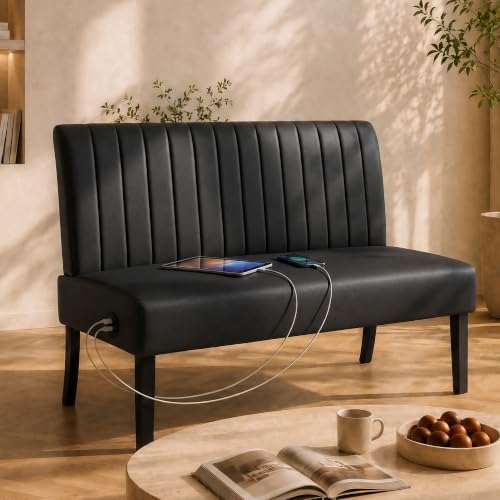
Position a modest-sized sofa opposite the bed to encourage conversation and relaxation. A coffee table that doubles as storage addresses clutter while keeping the area open and airy.
Utilize vertical space with shelving units. Wall-mounted shelves can display books or decorative items, drawing the eye upward and making the area feel larger.
Choose multi-purpose pieces. For example, an ottoman that provides extra seating or storage can enhance versatility without sacrificing style.
Maintain clear pathways; a minimum of 2-3 feet between major pieces allows for smooth movement throughout the space. This simple adjustment significantly improves the overall flow and usability of the environment.


Optimal Configuration for Small Living Spaces
Focus on creating a functional zone by placing the seating area centrally. Use a compact sofa or a loveseat to maximize space. Position a coffee table at arm’s length from the sofa, ensuring it doesn’t overcrowd the area.
Incorporate multi-functional items, such as an ottoman that serves as both storage and seating. Select a dining table that can double as a workspace; options with folding features can save significant room.
Consider vertical storage solutions like shelves or wall-mounted cabinets. This approach not only saves floor space but also enhances the visual appeal of walls.
Divide distinct zones with rugs. A well-placed area rug can visually separate lounging from dining areas, imparting a sense of organization.
Ensure ample natural light flows through. Use lightweight curtains or blinds for a bright atmosphere. Arrange mirrors strategically to reflect light and create the illusion of a larger space.
For the sleep area, prioritize a bed frame with built-in drawers. This not only elevates the mattress but also adds extra storage without sacrificing style.
- Keep pathways clear to navigate easily.
- Opt for lighter colors on walls to enhance brightness.
- Utilize pegboards or hooks for hanging items, maximizing vertical space.
Re-evaluating layouts periodically can help maintain functionality and visual appeal, adjusting as needs change.
Assessing Available Space and Layout Options
Begin with measuring all the walls, doorways, and windows in your living area. Document these dimensions on a piece of graph paper or use a digital tool, which will help visualize the scale of the room. Consider both the height and width of each entry point to prevent obstructing pathways.
Identify the primary functions of each section. If the living area doubles as a workspace, allocate enough room for a desk without compromising comfort. Prioritize flow by keeping high-traffic zones clear; aim for a minimum of 24 inches for pathways between larger items.
Analyze the natural light sources. Position lighter-colored pieces near windows to amplify brightness. In darker corners, choose compact designs to avoid a cramped appearance. Angling certain elements, like sofas or chairs, can create a more inviting atmosphere while breaking up the rigidity of a traditional layout.
Evaluate wall space for storage solutions. Wall-mounted shelves or hooks can free up floor area and maintain accessibility. Open shelving can keep the environment airy, while closed units can hide clutter effectively. Consider multipurpose items that can serve different roles, maximizing utility and minimizing the need for excess.
Experiment with different arrangements using tape or software. Visual simulations can reveal which configuration maximizes available space without overcrowding. Before finalizing, ensure that each zone is distinctly defined and serves a purpose that reflects your lifestyle.
Choosing the Right Furniture Sizes
Select pieces that fit the scale of your environment to ensure comfort and usability. Measure each room before making any purchases. For instance, a sofa should not exceed two-thirds of the length of your primary wall. This rule allows ample space for flow and prevents the area from feeling cramped.
Common Dimensions
Familiarize yourself with standard measurements to make informed choices:
| Item | Typical Dimensions |
|---|---|
| Sofa | 70-90 inches in length, 30-40 inches in depth |
| Queen Bed Frame | 60 inches wide, 80 inches long |
| Dining Table | 30-36 inches in height, 60-72 inches in length |
| Nightstand | 20-30 inches high, 15-20 inches wide |
Scaling for Functionality
Choose smaller designs for multi-functional usage. For example, opt for a loveseat rather than a full-sized couch if space is limited. Consider ottomans that double as storage to maximize every square foot. In small areas, prioritize sleek profiles over bulky elements to maintain visual openness.
Creating Functional Zones in Your Space
Define areas for specific activities by utilizing rugs or furniture placement. For instance, a distinct carpet can demarcate a living space from a workspace. This helps in visually separating zones while maintaining cohesion in style.
Utilize multifunctional pieces, such as a sofa bed, to allow flexibility. By selecting items that serve more than one purpose, I can maximize usability without overcrowding the environment.
Incorporating Vertical Space
Using shelves or wall-mounted systems effectively generates additional storage and display options. Positioning these elements higher not only saves floor space but also draws the eye upward, creating an illusion of more height.
Lighting Zones
Strategically place varying light sources according to activity zones. A table lamp in the reading area complements a brighter overhead fixture in the kitchen, allowing me to create ambiance tailored to each function.
Maximizing Storage Opportunities
Utilizing vertical space is a game-changer. Installing shelves above furniture or utilizing tall bookcases can take advantage of the height of the walls. This approach keeps the floor clear while providing ample storage for books, plants, and decorative items.
Multipurpose Solutions
Opt for multipurpose items. A coffee table with hidden compartments or an ottoman that doubles as seating and storage can make a significant difference. Consider a bed frame with drawers beneath it, providing a perfect solution for clothing or out-of-season items.
Decluttering Strategies
Incorporate decluttering routines. Regularly evaluate belongings to identify items that can be donated or discarded. A minimalist approach encourages the inclusion of only what is necessary, freeing up storage space and enhancing the room’s overall feel.
Utilize hooks and pegboards for items like bags or accessories. This keeps them accessible and leaves drawer space available for other essentials. Clear bins or baskets ensure small items remain organized and easy to locate.
By adopting these strategies, I turned my limited space into a well-organized and functional area, making daily living more enjoyable.
Arranging Seating for Comfort and Flow
Position seating to promote conversation and ease of movement. I prefer to create an inviting atmosphere by ensuring items are not placed too far apart or excessively close together.
Strategic Placement
- Align chairs and sofas to encourage face-to-face interaction.
- Keep pathways clear between seating areas to facilitate smooth traffic flow.
- Consider the view from each seat; place them near windows or focal points.
Balancing Space and Aesthetics
Maintaining a balance between functionality and style is essential. I often aim for a layout that feels open yet cozy:
- Use rugs to define seating areas, adding warmth and texture.
- Complement seating with side tables within arm’s reach for convenience.
- Add accent pieces, like poufs or ottomans, to enhance comfort and flexibility.
Customization of layout according to personal preferences also plays a vital role. Experimenting with different configurations can reveal unexpected benefits in both flow and comfort.
Positioning the Bed for Optimal Rest
Placing the mattress at a diagonal angle can create a sense of openness, making smaller spaces feel larger while also allowing for unique decor arrangements. Consider positioning the headboard against a wall opposite the door to enhance feelings of security and stability.
Ensure that there’s adequate space on either side of the sleeping surface for convenient access, ideally allowing for at least 24 inches of clearance. This creates a balanced flow and prevents the space from feeling cramped.
Utilizing a wall-mounted reading light can save nightstand space while providing focused illumination. If natural light is a consideration, orient the head of the bed away from windows to minimize glare, promoting better sleep conditions.
Avoid placing the mattress directly aligned with the door, as this can create a sense of unease. Instead, slight positioning that provides a clear view of the entrance contributes to an inviting atmosphere.
| Position | Description | Benefits |
|---|---|---|
| Diagonal | Positioned at an angle in the corner | Creates an illusion of space |
| Opposite the Door | Headboard against the wall facing the entrance | Enhances feelings of security |
| Sufficient Clearance | At least 24 inches on both sides | Improves access and flow |
| Away from Glare | Positioned to minimize window glare | Promotes better sleep |
| Clear View | View of the entrance without alignment | Creates a welcoming environment |
Incorporating these strategies not only enhances comfort but also supports restful nights. Prioritize positioning for a peaceful retreat, maximizing the potential of your sleeping area.
Incorporating Aesthetic Elements into the Design
Begin with a cohesive color scheme that complements your personal style. Choose two or three main colors, ensuring they harmonize well. Use these shades on walls, textiles, and accents to create visual unity.
Introduce textures to add depth. Mix smooth surfaces like glass or metal with softer materials such as linen or wool. This combination creates an inviting atmosphere.
Focus on lighting. Utilize a mix of ambient, task, and accent lighting to enhance various areas. Install dimmers for versatility, allowing each space to adapt to different moods and activities.
Choose artwork strategically. Select pieces that reflect your personality, ensuring they fit well into the overall scheme. A gallery wall can be an impressive focal point, but maintain balance by mixing frame styles and sizes judiciously.
Add greenery. Plants not only purify the air but also bring life to your environment. Opt for low-maintenance varieties like succulents or snake plants if you’re short on time.
Incorporate multifunctional decor. Look for rugs, pillows, and throws that are both stylish and functional, adding layers of comfort while enhancing aesthetics.
Finally, personalize the space with meaningful items. Display mementos or unique finds that tell your story, creating a warm, inviting atmosphere.
Utilizing Light and Color to Enhance the Space
Choose a light color palette for walls and ceilings to create an illusion of spaciousness. Soft whites, light grays, and pastels reflect natural light, making rooms feel larger. Accent walls in bolder shades can add character without overwhelming the area.
Incorporate layered lighting to brighten all corners. Use a combination of ambient, task, and accent lights. Consider installing dimmers to adjust brightness according to your mood and activity. This also helps create a warm atmosphere during evening hours.
Opt for mirrors strategically placed across from windows. This will reflect light and visually expand the space. Choose decorative mirrors to serve both functional and aesthetic purposes, adding elegance as well as depth.
Introduce colorful accents through textiles such as cushions and rugs. Select vibrant shades or patterns that harmonize with your main color scheme. This method brings life to neutral backgrounds and allows for easy updates when you desire a change.
Incorporate plants for a splash of greenery. They not only enhance aesthetics but also improve air quality. Choose a mix of tall and small plants to create depth and dimension, placing taller ones in corners and smaller on shelves or tables.
Be mindful of window treatments; sheer curtains allow natural light while maintaining privacy. Avoid heavy drapes that block light, as they can make a room feel constricted. Using shades in a matching color to the walls can create a seamless appearance.
Utilize multi-functional items in bright hues or patterns to draw attention. For example, a colorful ottoman can serve as seating, storage, or a table, enhancing both style and practicality within limited confines.
Lastly, keep the clutter to a minimum. Over-cluttering surfaces can overshadow the impact of color and light. Opt for decorative storage options to maintain an organized, airy feel, allowing the chosen designs to shine.