
 Caleb Turner

To maximize every inch in a limited living area, I recommend utilizing multifunctional pieces. Consider a sofa bed or an ottoman with storage capabilities; these can serve dual purposes and enhance functionality.
Arranging larger elements first is key. Place the essential seating against the longest wall to create an open feel. This positioning not only offers easy access but also allows for effective traffic flow throughout the space.
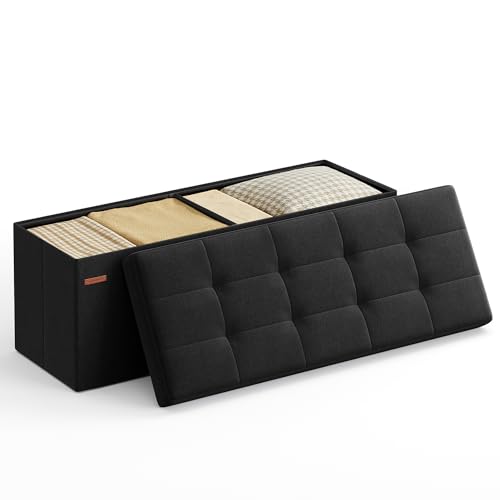


Incorporate vertical storage solutions like shelves or cabinets that extend upward. This helps to keep the floor space free while providing ample room for storage. Using wall-mounted fixtures can also create a more airy environment.
Add mirrors strategically to reflect light and give the illusion of a more expansive area. When placed across from windows, they can significantly brighten the room.
Finally, maintain a coherent color palette. Light and neutral colors can make a compact space feel larger and more inviting, while adding personal touches with vibrant accents will retain a warm atmosphere.
Optimizing Space in a Compact Living Area
I recommend positioning larger items against the longest walls to create an open flow. This tactic utilizes wall space effectively while leaving central areas free for movement. Consider a sofa with a low profile–this choice promotes a sense of openness and prevents overwhelm.
Ponder multifunctional pieces, like a coffee table that doubles as storage or an ottoman that serves both as a seat and footrest. These versatile items enhance usability without demanding excessive square footage.
Establish clear pathways between zones. Ensure that areas such as the kitchen, dining, and relaxation spaces have at least two feet of walking space to avoid congestion. This open arrangement fosters sociability while maintaining practicality.
Incorporate vertical storage solutions. Shelving units or wall-mounted organizers draw the eye upwards, creating an illusion of higher ceilings. This method maintains floor space while maximizing storage capabilities.
Integrate mirrors strategically to reflect natural light and impart a sense of depth. Positioning them opposite windows amplifies brightness, enhancing the visual appeal and atmosphere.
Utilize rugs to define separate areas within a single cohesive space, like differentiating a sitting area from a dining space. This technique organizes the environment, adding a layer of comfort and style without physical barriers.
Adapt your layout periodically. Shifting items can refresh the aesthetic, allowing a different perspective on your surroundings while maintaining functionality. Explore variations to find what feels most harmonious.
Maximizing Space with Multi-Functional Furniture
Opt for sofas that convert into beds. This choice not only provides seating but also a comfortable sleeping arrangement for guests, efficiently handling overnight stays without overwhelming your space.
Consider ottomans with hidden storage. They can serve as footrests or additional seating while keeping blankets, games, or magazines tucked away, minimizing clutter.
Implement a dining table that extends. This allows for casual meals and can expand to accommodate bigger gatherings, providing versatility for different occasions.
Utilize nesting tables. They save space when not in use and can be separated for extra surface area when needed, creating a flexible living area.
Incorporate wall-mounted shelving units. These elevate storage while keeping the floor clear, enhancing both storage capacity and visual openness in smaller areas.
Look for beds with drawers underneath. This nifty option eliminates the need for additional dressers, maximizing sleeping quarters while maintaining an organized setup.
Choose collapsible workspace solutions. A fold-up desk can transform any corner into a productive area while concealing it when not in use, maintaining an uncluttered aesthetic.
Install multi-functional lighting. Options that provide ambient light, task support, or can be dimmed or brightened based on the moment simplify aesthetic needs without requiring further fixtures.
Prioritize materials that are lightweight yet durable. This choice allows for rearranging effortless, adapting to different requirements without straining on the surfaces.
Finally, keep color schemes light and cohesive. This approach visually expands the area, creating an illusion of more space while supporting multi-functional designs throughout.
Creating Flow: Best Layouts for Small Areas
Establish clear pathways for movement. I prioritize leaving at least 18 inches of space between key pieces to ensure comfort and accessibility. This prevents any sense of congestion while moving around.
Use furniture with legs. Choosing pieces that sit on legs, rather than those that are bulky, helps create an illusion of space. The visibility of floor space gives a more open feel, making the area look larger.
Zone Your Space
I define distinct areas for different functions. For instance, I use rugs to separate a seating area from a dining spot. This visual separation adds organization, making activities more intuitive and inviting.
Vertical Storage Solutions
Incorporating vertical elements plays a key role. I install shelves or cabinets up to the ceiling, drawing the eye upward, which enhances a sense of height. This technique utilizes wall space effectively, freeing up the floor for movement.
Utilizing mirrored surfaces can also enhance flow. I place a large mirror in strategic locations to reflect light and make the area appear more spacious. Adding plants or other decor around mirrors softens their effect, creating a welcoming ambiance.
Choosing multifunctional pieces simplifies the overall layout. A bench that doubles as storage or a coffee table that converts into a dining surface maximizes utility without compromising space. This flexibility is crucial for smaller settings.
Lastly, maintaining a consistent color palette ensures cohesion across the area. I select neutral tones for larger items and add pops of color through accessories. This method helps unify the space while making it feel organized and intentional.
Choosing the Right Size Furniture for Your Layout
Measure your space accurately before selecting pieces. Knowing dimensions allows for better fit and functionality. I recommend creating a scale drawing of the area, noting windows, doors, and any fixed elements to visualize the arrangement.
Opt for smaller, modular options rather than oversized items. A compact sofa can provide the same comfort as a sectional while saving precious room. Stick to a few key components, like a loveseat and a side chair, to avoid overcrowding.
Prioritize proportionality in your choice of seating. I find that selecting chairs and tables that share a similar scale creates a cohesive look without overwhelming the area. Look for items with legs that allow you to see floor space, giving an illusion of openness.
Adjustability is another factor. Invest in items with adjustable heights or convertible designs. For instance, a dining table that can expand for gatherings is both practical and space-efficient.
Consider multi-functional solutions. A bench that doubles as seating and storage can reduce clutter. Additionally, nesting tables offer flexibility when more surface area is needed without sacrificing room when not in use.
Finally, maintain a balance by mixing textures and colors. Light hues tend to make areas feel larger, while darker ones can create a cozy atmosphere. Implementing a mix enhances depth without compromising space.
Using Color and Light to Enhance Perception of Space
To create an illusion of openness, opt for light colors on walls and ceilings. Soft whites, pale blues, and light grays reflect more light, making the area feel larger. Dark shades can be used strategically for accent walls, but keeping the rest light maintains an airy feel.
Lighting Techniques
Incorporate multiple light sources to avoid shadows, which can make rooms appear cramped. Use a combination of ambient, task, and accent lighting. Table lamps, floor lamps, and wall sconces offer flexibility and can highlight unique features.
Color Palette Strategies
Limit the color palette to two or three complementary colors. This creates cohesion and reduces clutter in visual perception. Select furniture and decor that match or harmonize with wall colors. Pastel or muted tones evoke serenity and openness, whereas too many bold colors can overwhelm the senses.
| Color | Effect on Space Perception |
|---|---|
| Light Blue | Calming, expands space |
| Soft Gray | Neutral, modern feel |
| Pastels | Inviting, softens edges |
| Bold Shades | Diminishes space perception |
Utilify mirrors to enhance light and create depth. Position them across from windows or light sources to reflect brightness and open up the area visually. This simple trick effectively amplifies natural light while adding interest to the design.
Arranging for Comfort: Key Considerations for Living Areas
Begin with a focus on seating orientation. Position couches and chairs towards each other to facilitate conversation, making sure to leave adequate space for movement. Aim for a conversational grouping to promote interaction among family members and guests.
Space Utilization
Measure your area accurately. This helps in understanding which pieces will fit comfortably without overcrowding. My experience shows that limiting the number of larger items opens up the layout significantly. Here are some tips:
- Choose smaller-scale seating options.
- Incorporate armless chairs for a more open feel.
- Utilize wall-mounted shelves to reclaim floor space.
Cozy Elements
Introduce soft textures to create warmth. Incorporate plush throws, cushions, and rugs to improve comfort. Strategic layering of materials enhances not only comfort but also style:
- Opt for a large area rug to unify the space.
- Use mix and match textiles for visual interest.
- Position a variety of lighting sources, like lamps and candles, to create an inviting atmosphere.
Consider the practicality of each element. Use storage ottomans to eliminate clutter while providing additional seating. A functional layout should feel inviting, allowing for easy access while emphasizing comfort.
Incorporating Personal Style in Limited Spaces
Utilizing personal touches can transform limited areas into reflections of individual taste. I start by selecting a cohesive color palette that resonates with my style. For instance, subtle pastels create tranquility, while bold hues energize the space.
Creative Decor Solutions
- Use artwork: Hang meaningful pieces on walls, ensuring they are at eye level to create a focal point.
- Incorporate textiles: Textured throw pillows, rugs, and blankets add warmth and character.
- Display collections: Group my favorite items on shelves or in cabinets. This not only showcases my interests but also serves as a conversation starter.
Layering and Accessories
Layering elements enhances depth. I employ different heights and materials to create visual interest. For example:
- Combine glass and wood: A wooden table with glass accents can shift the perception of spaciousness.
- Stack books and trays: This adds functionality while highlighting personal belongings.
- Add greenery: Houseplants breathe life into spaces and improve air quality.
Tailoring the ambiance using lighting is crucial. I opt for a mix of sources–overhead fixtures, table lamps, and soft fairy lights–which adds warmth and flexibility to moods. Each choice contributes to a unique atmosphere that resonates with my personality, even within constraints.


