
 Caleb Turner
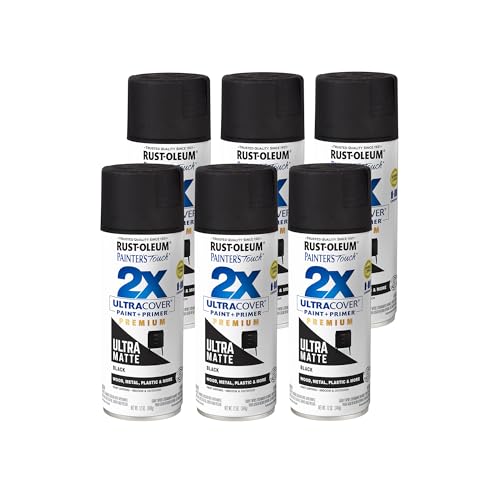
To give your older pieces a nostalgic flair, I recommend starting with a primer specifically designed for adhesion on surfaces. This ensures that the final finish not only looks appealing but also lasts over time.
Next, consider selecting a color that mimics aged timbers or classical shades often seen in historical designs. Applying a thin layer is crucial; multiple light coats will yield a more authentic outcome than one heavy application. I found using a well-ventilated area helps in achieving an even distribution.
After the primary layers dry, using a soft cloth allows for distressing certain areas to reveal the base layer, creating that desired worn appearance. I typically pay extra attention to edges and corners, as those were the areas that naturally show wear. A final protective clear coat not only enhances the depth of the color but also adds durability.
Creating a Weathered Look
Choose a base color that mimics age, such as warm beige or soft gray. Apply it evenly for optimal coverage. Allow it to dry completely before proceeding to the next step.
Distressing Techniques
- Lightly sand edges and corners using fine-grit sandpaper. Aim for areas that naturally wear over time.
- Use a damp cloth to wipe away any dust created from sanding, ensuring a clean surface.
Applying a Second Coat
Once the base is ready, select a darker hue that complements the first. Lightly mist it over the surface, focusing on crevices and intricate designs. Spray from a distance to achieve an airflow effect.


- After misting, use a clean cloth to gently rub off excess, revealing the underlying color.
- For a more pronounced look, apply a third, contrasting shade strategically to accentuate details.
Finish by protecting your project with a clear matte sealer. This will not only preserve the look but also enhance durability against daily wear.
Choosing the Right Type of Spray for Antiquing
Opt for a matte or satin finish to achieve a genuine aged look. Glossy varieties can create an unrealistic sheen that detracts from the desired effect.
Water-based options are less toxic and easier to clean, making them ideal for indoor projects. They dry quickly and allow for layers to be applied without long waits.
Oil-based alternatives offer a more durable finish that can withstand wear and tear. However, they require solvent for cleanup and have stronger fumes, necessitating proper ventilation.
Test different shades on a small area before committing to a color. Colors can appear differently once applied, especially on varied surfaces.
Consider using specialty products designed for distressed or vintage looks, as they often include unique textures or effects that enhance the aging process.
Using primers specifically formulated for your surface enhances adherence and durability, reducing the risk of chipping or peeling over time.
For added dimension, select a combination of shades to mimic natural wear; layering darker colors followed by lighter ones can create depth.
Finally, always read and follow the manufacturer’s instructions for optimal results and safety precautions during the application process.
Preparing Your Furniture Surface Before Painting
I begin the process by thoroughly cleaning the item. Using a mild detergent mixed with warm water, I wipe down the surface to remove dust, grease, and any residues that could interfere with adhesion. After cleaning, I ensure the piece is completely dry.
Next, I inspect for imperfections. I fill in any scratches or dents using wood filler or a similar compound, smoothing it out with fine-grit sandpaper. This creates an even canvas that enhances the final appearance.
Once the filler is dry, I sand the entire surface lightly to promote better bonding of the coating. I use a fine-grit sandpaper for this step, ensuring not to create any deep scratches. After sanding, I wipe off the dust with a lint-free cloth to prepare for the next stage.
If the original finish is glossy, I apply a coat of primer appropriate for the surface. This step significantly aids the subsequent application, allowing for better coverage and an improved look. I make sure to select a primer that dries quickly and is compatible with the final layer I am planning to use.
Finally, I set up my workspace in a well-ventilated area, covering surrounding surfaces with drop cloths or cardboard. This safeguards against any unexpected overspray and keeps the environment clean for this transformation.
Selecting the Ideal Color Palette for an Antique Look
Choose muted shades that evoke a sense of history. Colors like soft whites, faded pastels, and deep earth tones contribute to an aged appearance. For example, consider off-white, dusty blue, or pale yellow for a subtle vintage vibe.
Contrast and Depth
Incorporate darker hues, such as charcoal gray or deep burgundy, to create depth. These tones can add dimension when used in combination with lighter shades. If you opt for a base layer in a lighter color, highlight certain details with darker tones to enhance visual interest.
Finish Considerations
Matte or satin finishes work best for achieving that worn look. High-gloss options can detract from the desired effect. Experiment with different combinations on a small section to see how the colors interact before committing to a full project.
Applying the First Coat of Spray Paint Evenly
To achieve a smooth finish, maintaining an even distance of 6 to 12 inches from the surface is key. Begin by shaking the can thoroughly for a minute or two to mix the contents properly.
Before starting, test the nozzle on a piece of scrap material to ensure a consistent spray pattern. I recommend applying in light, sweeping motions. Cover the entire area without lingering too long in one spot to avoid runs.
- Work from top to bottom or left to right to ensure even coverage.
- Overlap each pass by about 50% for a uniform layer.
- For intricate details, consider using short bursts with precise aiming.
If the result appears uneven after the first coat is dry, lightly sand the surface with fine-grit paper before reapplying. This step can help to smooth out any imperfections.
In cooler or humid conditions, allow sufficient drying time between coats to prevent issues like drips or streaks. A well-ventilated area is also beneficial to help the paint cure properly.
Creating Depth with Layering Techniques
Begin layering by selecting two or three shades that complement one another. I often start with a darker base, applying it evenly across the surface. This initial layer sets the stage for depth.
Once the first coat dries, I apply a second, lighter hue using a gentle misting technique. This approach allows the base color to peek through, giving a worn appearance. Hold the can about 12 inches away and use quick, sweeping motions.
Distressing for Authenticity
After achieving the desired layering, I gently distress areas that naturally wear over time. I use fine-grit sandpaper to scuff edges and raised details, revealing the darker base beneath. This step is vital; it adds authenticity to the final outcome.
Sealing the Layers
To protect the layered design, a clear matte sealant is ideal. I apply a thin coat after all layers are dry, ensuring longevity and enhancing the appearance without glossy reflections. This finishing touch lets the depth stand out while safeguarding my work.
Adding Distressing Effects to Enhance the Antiqued Finish
To achieve a convincingly aged look, I recommend using sandpaper or a sanding block to gently distress the edges and raised areas of the surface. This will create wear patterns typical of vintage pieces. Start with medium-grit paper (around 120) and then switch to finer grit (220) for smoothing out the areas after distressing.
Techniques for Distressing
Employ different techniques to create varied textures and impressions:
- Worn Edges: Focus on corners, edges, and any areas that would naturally experience friction.
- Textural Effects: For a more distressed appearance, I use a wet sponge to dab or press into areas before the final coat dries. This helps lift some paint to expose the base layer.
- Layer Removal: Utilizing a rag dampened with water, I can wipe away spots in a light manner, revealing the base color underneath.
Protecting the Finish
After achieving the desired look, it’s crucial to seal everything with a clear finish. A matte or satin sealer preserves the age effect while providing durability against wear.
| Distressing Technique | Suggested Tools | Effect |
|---|---|---|
| Sandpaper | 120 and 220 grit | Creates natural wear on edges |
| Wet Sponge | dampened sponge | Adds texture, lifts paint |
| Damp Rag | Soft cloth | Light wiping for base color exposure |
Experimenting with these methods will yield a unique finish, resulting in a compelling and authentic-looking result. Adjust your technique according to the specific characteristics of the piece and your personal design preference.
Sealing Your Antique Finish for Longevity
Apply a clear protective topcoat after the antiquing process. Products such as polyurethane or water-based sealants offer durability while preserving the vintage appearance. Using a spray-on version can ensure an even distribution without brush marks.
Before sealing, allow the initial layers to cure. This usually requires at least 24 hours; however, check the manufacturer’s recommendations for specific drying times. Once ready, lightly sand the surface with fine-grit sandpaper to facilitate better adhesion of the topcoat.
When applying the topcoat, use thin layers. Multiple light coats prevent drips and maintain detail in your work. Allow each layer to dry completely before applying the next; this ensures a smooth and resilient finish.
For added protection against scratches and water damage, consider a matte or satin finish sealant. These options maintain depth while ensuring the décor remains visually appealing through everyday use.
Finally, keep the sealed item out of direct sunlight to prevent fading over time. Proper maintenance and occasional touch-ups will help sustain its beauty for years to come.
Maintaining and Caring for Antiqued Pieces
Regular dusting is crucial. I use a soft, lint-free cloth to gently remove dust without scratching the surface. For deep cleaning, a damp cloth with a mild soap solution works wonders. I ensure to dry immediately to prevent moisture damage.
Using Protective Coatings
To extend the life of the distressed finish, I recommend applying a clear wax or a water-based sealant periodically. This not only protects the surface but also enhances the depth of color. Reapplication every six months keeps the sheen intact.
Avoiding Unwanted Damage
Direct sunlight can fade colors, so I position my pieces away from windows. For spills, I act quickly–blotting, not rubbing, helps prevent staining. Using coasters and placemats is also a good practice to avoid scratches and moisture marks.
FAQ:
What are the steps to antique furniture using spray paint?
To antique furniture with spray paint, first, ensure the piece is clean and free of dust. Next, lightly sand the surface to help the paint adhere better. Apply a base coat of spray paint in a color of your choice, letting it dry completely. After the base coat dries, apply a second layer with a different, contrasting color. Once that layer is dry, use a fine-grit sandpaper or a damp cloth to lightly distress areas of the piece to reveal the base coat underneath, giving it an antique appearance. Finally, finish with a clear topcoat to protect your work.
Can I use any type of spray paint for antiquing furniture?
While it may be tempting to use any spray paint, it’s best to choose one that is specially formulated for furniture or has a matte finish. These types of paints tend to adhere better and provide a smoother finish. Additionally, look for spray paints that are designed for indoor use, as they tend to have lower VOC levels and are safer for home use. Always check the label for drying times and compatibility with various surfaces.
What tools do I need to antique furniture with spray paint?
The tools you’ll need include sandpaper (preferably fine-grit), a clean cloth for dusting, masking tape to protect areas you don’t want to paint, and a well-ventilated area or spray booth. If you plan to distress the paint, a soft brush or sponge can be helpful as well. Finally, having a clear topcoat spray will be useful for sealing your finished piece.
How long does it take for spray paint to dry when antiquing furniture?
Drying times can vary based on the type of spray paint used and the conditions in your workspace. Generally, most spray paints will be touch dry within 30 minutes, but it’s advisable to wait at least 2 hours before applying a second coat. For the best results, allow the painted furniture to dry completely for 24 hours if time permits before using or moving the piece.
Can I antique furniture that has already been painted or finished?
Yes, you can antique furniture that has been previously painted or finished, but you’ll need to prep it properly. Start by cleaning the piece and then lightly sand the surface to remove the gloss and help the new paint adhere. If the existing finish is in poor condition, you may need to strip it down to the bare wood or use a primer designed for difficult surfaces before beginning your antiquing process.


