
 Caleb Turner
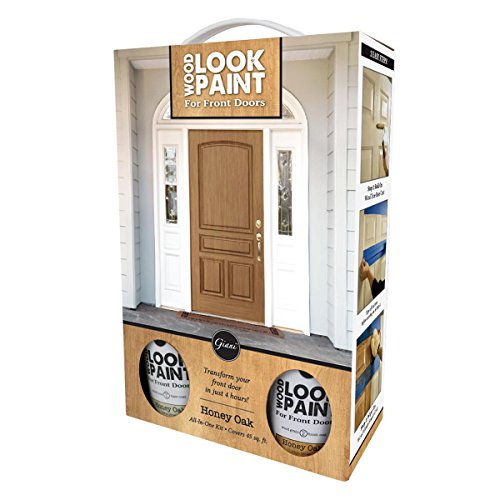
To transform plain wooden items, consider exploring the use of various paints and stains. For a striking effect, try a matte finish or a stain that highlights the grain while offering depth. A rich walnut or dark oak stain can elevate the natural beauty of the surface.
Texturizing is another method worth implementing. For instance, sanding different areas creates a worn look that can be appealing, or you might choose to use tools like a wire brush to achieve subtle grooves. This technique adds character and a sense of history to your creations.
Don’t overlook the power of layering materials, either. Incorporate fabrics or metals to provide a contrasting texture that brings a touch of modernity. For example, pairing natural fibers with rustic accents can create a beautiful fusion of styles while maintaining a cohesive look.



Lastly, I recommend experimenting with finishes such as wax or oil. These not only protect but can also enrich the overall aesthetic. A tung oil finish, for example, penetrates deep into the wood, enhancing its natural patina and giving it a warm glow.
Methods to Incorporate Style into Timber Accents
Utilizing a variety of finishes can transform items significantly. Consider layering multiple coatings to achieve depth, such as combining oil with a matte wax. This creates a soft sheen while preserving natural grain visibility.
Engaging with tools like a wire brush allows for surface manipulation. This approach creates a tactile feel; just ensure to follow the wood grain to avoid uneven marks. Follow up with a sanding block to smooth rough patches.
- Experiment with stains for a richer appearance–darker colors offer more contrast and can highlight textures even further.
- Transitioning between tones through a glaze will enhance details, making the final product appear more intricate.
Utilize stencils or natural materials for imprinting patterns. Leaves, lace, or burlap can produce unique designs, offering a one-of-a-kind piece that stands out.
- Apply paint, then adhere stencils using adhesive spray.
- Once set, use a sponge or brush to dab contrasting color over the stencil.
- Peel away stencils to reveal intricate patterns when dry.
For a more rustic appearance, consider distressing techniques. Lightly banging surfaces or utilizing a chisel can create intentional imperfections that add character.
Finally, integrating elements like rope or metal accents can introduce an additional dimension. Use these materials to create handles, borders, or inlay designs to evoke a mixed-media style.
Selecting the Right Tools for Texturing Wood
Begin with a selection of hand tools that suit your preferred technique. A wire brush or a sanding block can create subtle patterns while allowing for control over the process. Look for one with natural bristles for finer detailing.
Consider the use of chisels for carving distinct patterns. Choose high-quality steel chisels in various sizes to achieve different effects. A set containing both straight and curved blades provides versatility in designs.
Power Tools for Enhanced Efficiency
For larger projects, power tools can save time. An orbital sander equipped with a coarse grit can quickly remove surfaces, while a router fitted with texturing bits adds intricate designs effortlessly.
Ensure you have a steady hand while working with tools like rotary sanders; even slight pressure can yield dramatic results. Safety gear, including goggles and masks, is crucial when utilizing power equipment.
Finishing Touches
To emphasize your creative efforts, investing in quality finishes is important. Oils or water-based stains allow for enhanced visibility of those crafted details, promoting depth and richness. A final coat can protect your project while enhancing radiance.
- Hand tools: wire brushes, chisels
- Power tools: orbital sanders, routers
- Finishing products: oils, water-based stains
Testing various tools on scrap pieces will provide insight into the effects each implements create. This experimentation will lead to more satisfying results on your main project.
Choosing the Appropriate Wood Species for Texturing
The selection of the right tree species is fundamental for achieving desired patterns and feels. Certain varieties can display intricate lines and grain characteristics that enhance the design. For example, oak is known for its prominent grain, making it an ideal candidate for accentuating ridges. On the other hand, maple provides a smoother surface, which can be beneficial for those seeking subtle details.
Species Recommendations
For robust visual impact, I recommend using walnut. Its rich, dark hues paired with a distinctive grain can create striking contrasts, especially after treatment. Birch, with its fine texture, can be excellent for achieving a softer appearance while maintaining warmth. If contrasting tones appeal to your taste, cherry is another option; its gradual darkening over time adds depth.
Special Considerations
The density and hardness of the type chosen play significant roles in how well it responds to specific methods. Softer options like pine may yield a more pronounced effect but could be more vulnerable to wear. Conversely, denser woods like mahogany can stand the test of time but may require different approaches or tools due to their hardness. Always assess the intended style and desired outcome when making a selection.
Testing samples before undertaking a larger project allows for adjustments tailored to the material’s behavior. Wood species can react differently to treatments and methods, so experimentation ensures I achieve the exact look I envision.
Techniques for Creating a Distressed Finish on Wood
To achieve a worn appearance, I often recommend using a combination of techniques. First, I apply a base coat of paint or stain, which can be any color that contrasts with the final finish. This fundamental layer should be completely dry before proceeding.
Once dry, I take a sanding block or an abrasive pad and lightly scuff areas that would naturally wear, such as edges and corners. I focus on spots that would experience the most contact over time. This step reveals the base coat, providing depth and character.
I prefer to use a textured brush for the next phase. Dabbing the brush in a lighter top coat and applying it inconsistently across the surface creates a weathered look. I avoid even strokes; randomness is key.
An alternative method I enjoy is using a crumpled plastic bag. I dip it into finish and pounce it onto the surface. This technique softens and blends the top layer, adding to the organic feel.
After the paint application, I choose to apply a glaze. I mix a compatible medium with a tint and brush it over the entire surface. Wiping away excess with a cloth in tight circles allows some of the base coat to peek through, enhancing the aged effect.
Finally, I seal the piece with a clear topcoat. A matte or satin finish is preferable, as it preserves the vintage vibe while protecting the underlying layers. After everything dries, I inspect for inconsistencies that can add to the authentic look.
Applying Stains and Washes for Depth and Character
I prefer using oil-based stains for their rich pigmentation and smooth application. Begin by preparing the surface; ensure it is clean and dust-free. I always sand the piece to a fine grit to promote better adhesion and absorption of the product.
Select a color that complements the natural hues of the material. A dark walnut or espresso can bring out the natural grain beautifully. I apply the stain using a clean cloth or a foam brush, working in small sections to avoid unevenness. Following the manufacturer’s instructions for drying time is crucial; this way, I can achieve a more consistent finish.
If I want a lighter effect, I mix water-based washes with my chosen stain. This technique helps to highlight the grain without overwhelming the surface. Typically, I create a wash by diluting the stain with water–usually a 1:1 ratio works well. This allows me to build layers gradually, enhancing depth without committing to a darker tone immediately.
I often use a dry brush technique after applying the wash, lightly brushing the surface to remove excess and create a subtle texture. This approach adds visual interest without being overpowering. Once satisfied with the appearance, I seal the finish with a clear protective coat, choosing either matte or gloss depending on the desired look.
Finally, I let the piece cure fully for the time recommended by the product guidelines. This allows the finish to harden, offering protection while showcasing the intricate details. The result is a piece that exhibits character and warmth, blending beautifully into any space.
Incorporating Natural Elements for a Rustic Look
Utilizing reclaimed materials is a practical approach to achieving an organic aesthetic. Sourcing aged lumber or barn wood offers unique grain patterns and character. I often scout local salvage yards for these treasures, which not only enhance visual appeal but also contribute to sustainability.
Integrating live edges is another strategy I find effective. This technique accentuates the raw edges of a plank, creating a connection to nature and adding an irregular charm. I recommend sanding the live edges lightly to maintain their organic feel while ensuring smoothness.
Adding decorative elements such as natural fibers, like jute or burlap, gives depth to the overall design. These materials can be used as upholstery or decorative accents that complement the rustic ambiance.
Incorporating greenery, like small potted plants or succulents, brings life to the piece. I often place these around the furniture to create a harmonious balance between the earthy tones of the wood and vibrant greenery.
Using earthy color palettes enhances the rustic vibe. Opting for shades of brown, green, and grey allows the chosen elements to flow seamlessly. I enjoy experimenting with hues that mimic the colors found in nature.
Finally, introducing natural finishes, such as beeswax or tung oil, preserves and enhances the wood’s essence. These products not only protect but also enhance the tactile quality, ensuring the piece feels as good as it looks.
Using Paint and Glazing for a Textured Appearance
I recommend selecting a high-quality acrylic or latex paint for an enhanced finish. Begin by applying a base coat to achieve uniform coverage. Choose a color that complements your design scheme and provides a solid foundation for the subsequent layers.
Layering Techniques
After the base coat dries, prepare a gl glaze by mixing the desired acrylic color with a glazing medium. This combination allows for manipulation on the surface, creating a more dynamic look. Use a soft brush or a sponge to apply the glaze, working in small sections to maintain control. Wipe away excess with a clean cloth, revealing the base coat underneath. This method introduces both depth and subtle nuances that elevate the overall appearance.
Finishing Touches
For added complexity, consider using a dry brush technique with the glaze. Dip a brush lightly in the mixture, then remove most of it before applying the brush to the surface. This method highlights edges and contours, creating a more textured feel without overwhelming the underlying color. Seal your piece with a clear topcoat once everything is dry to protect your work and add a subtle sheen.
Finishing Touches: Sealing and Protecting Textured Surfaces
To achieve durability and enhance the appeal of treated surfaces, I recommend applying a suitable sealant after creating your desired finish. A combination of polyurethane and wax can provide both protection and a pleasing sheen. Choose a water-based polyurethane for quick drying times and easy cleanup.
Before sealing, ensure the surface is clean and free from dust. I use a vacuum followed by a damp cloth to wipe down the area. This step is crucial as any debris can mar the final look.
When applying the sealant, I prefer using a high-quality synthetic brush or foam applicator to avoid brush marks. Work in thin layers, allowing adequate drying time between coats–usually 2 to 4 hours for water-based options. Two to three coats typically suffice for optimal protection.
| Sealant Type | Properties | Recommended Use |
|---|---|---|
| Water-based Polyurethane | Fast drying, low odor, non-yellowing | Indoor projects, furniture |
| Oil-based Polyurethane | Durable, amber tint, longer drying time | High-traffic areas, outdoor applications |
| Wax | Soft luster, easy to apply, requires reapplication | Final finish for low-traffic pieces |
| Varnish | High durability, UV protection, glossy finish | Outdoor furniture, surfaces exposed to elements |
For an added layer of protection, I often buff the sealed surface with a soft cloth once the final coat is dry. This process enhances the sheen and strengthens the bond of the sealant.
Regular maintenance should include gentle cleaning with a damp cloth and periodic reapplication of wax, if used. This ensures the protection remains effective while keeping the look fresh and appealing.


