
 Caleb Turner

Choosing the right stilt structures can significantly elevate your home aesthetic. I always opt for tapered wooden options, which seamlessly blend with a variety of styles. Take the time to measure the existing base height; this ensures a perfect fit and avoids any stability issues.
Before proceeding, gather your tools: a drill, screws matched to the new supports, and a level. It’s essential to secure the new supports tightly to prevent wobbling. Align them precisely with existing mounting points for ease of installation. During the process, always double-check that everything is level to maintain visual harmony.
Once attached, inspect the integration carefully. I recommend placing a weight on the new configuration to ensure sturdiness. Minor adjustments may be necessary, but that’s part of the refinement process. This custom touch not only enhances utility but also adds a distinct character to the space.
Steps for Attaching Additional Supports to Your IKEA Pieces
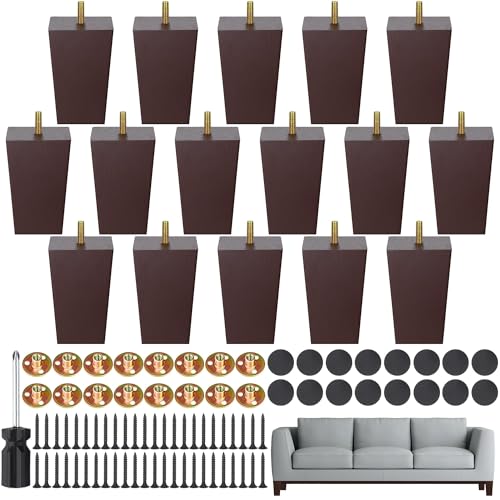
To enhance the elevation and aesthetic of your chosen items, I recommend selecting suitable brackets or mounting hardware that aligns with the original design while ensuring stability. Begin by measuring the desired height adjustment and selecting a compatible set of new supports that fit your space and style.


Preparation and Tools
Gather essential tools: a drill, screwdriver, and level. Check if the new supports come with pre-drilled holes; if not, measure and mark the location for drilling accurately. Using a level will guarantee that everything remains balanced during installation.
Installation Process
Securely attach the supports to the base using screws. I prefer to start with one corner, ensuring it remains aligned before moving to the opposite side. After all supports are affixed, perform a stability test by gently shaking the piece to confirm that it is sturdy. Clean up any dust or debris for a polished look.
Selecting the Right Legs for Your Furniture
Choose a height that complements the overall design. Standard options typically range from 4 to 10 inches, ensuring proper clearance and stability.
Materials are crucial. Wood offers warmth and durability, while metal provides a modern touch with strength. Consider a combination for a unique look.
Style matters. Mid-century modern legs add flair, while minimalist options create understated elegance. Match the aesthetic of existing pieces for cohesion.
Check weight capacity. Some options may not support heavier items. Look for sturdy constructions that can bear the intended load.
Attachment is another factor. Ensure that chosen supports fit the existing mounting system. Universal mounts can simplify the process.
Personalize by selecting color and finish. This affects the final look and can enhance or contrast with other elements in the room.
Lastly, consider budget constraints. There are options across various price points, allowing for customization without overspending.
Removing Existing Feet from IKEA Pieces
To detach the current supports from your item, I first ensure the piece is flipped on its back or side for easy access. Safety is paramount, so I put on protective gloves if needed to avoid sharp edges.
Next, I inspect how the original bases are mounted. Most often, they’ll be attached with screws or brackets. Using a screwdriver that fits the screws, I carefully remove them in a counterclockwise motion, keeping the screws in a safe place to use later if necessary.
If spots are glued, I apply gentle heat from a hairdryer to loosen the adhesive. A flat tool, like a putty knife or similar object, can be gently worked around the edges to separate the feet without causing damage to the surface.
Once removed, I clean any residue left behind. A cloth with a mild solvent helps in removing any stubborn glue. This prepares the surface for new attachments while ensuring a smooth finish.
Afterward, I inspect the area for any damage. If the surface appears uneven or compromised, I take the opportunity to level it out for a better fit with the new attachments.
Preparing the Surface for New Legs
Ensure that the surface where the new supports will attach is clean and dry. Use a cloth to remove any dust or debris that may interfere with the adhesion or installation process.
Conduct a thorough inspection for any existing hardware or mounting points that might obstruct your new installation. If necessary, fill any holes or imperfections with wood filler once dry and sand the area smooth.
Consider using a level to determine if the base is even. Uneven surfaces can cause instability, leading to issues in the future. If adjustments are required, look into shims or stabilizing product options.
Prior to drilling new mounting points, mark the locations carefully. Use a measuring tape for accuracy. Ensure the marked spots are aligned with the new supports for optimal strength.
Pre-drill holes at the marked locations to prevent splitting the material. Use a drill bit slightly smaller than the screws intended for installation. This will ensure a secure fit without compromising the integrity of the surface.
If applying adhesive, select a high-quality wood adhesive suitable for the material. Ensure the surface is still clear of dust before applying any glue. Follow the manufacturer’s instructions for best results.
Once everything is prepared, allow the adhesive to cure as instructed before attaching the new supports. This will enhance stability and longevity of the setup.
Measuring and Marking for Leg Placement
First, I determine the height I desire for each support. Standard height varies between 4 to 6 inches depending on the intended use. Adjust according to personal preference and existing aesthetics.
Preparing for Measurements
- Gather necessary tools: measuring tape, pencil, and a level.
- Place the piece on a flat surface to ensure stability during measurement.
Exact Measurements
Measure from the bottom of the existing item to the surface you want as the final height. Mark this measurement clearly with a pencil on all four sides. To achieve uniformity, measure from a common point, such as the corners, ensuring all markings align at the same height.
For precise alignment, use the level to check that the marks are even. In case of uneven flooring, it’s crucial to account for discrepancies to maintain a balanced appearance.
After marking, I recommend double-checking measurements before proceeding. This helps prevent costly mistakes later in the installation process.
Attaching Legs Securely to Maintain Stability
To ensure robust support, I use sturdy screws that are at least 1.5 inches long for attachment. I always opt for wood screws if the base is made of wood and for machine screws when working with metal parts.
Prior to installation, I pre-drill holes in both the legs and the base to prevent splitting and ensure alignment. I choose a drill bit that is slightly smaller than the screws to facilitate a snug fit. Using a level during the process is vital; it guarantees that each leg is positioned correctly, preventing wobbling.
I reinforce connections with wood glue for wooden legs or epoxy for metal to add extra strength. After assembling, I allow the adhesive to cure fully according to the manufacturer’s recommendations before applying any weight.
For added security, I also consider using corner brackets or L-brackets on the inside edges where the leg meets the body. This not only enhances stability but also helps distribute weight evenly.
Lastly, after everything is in place, I routinely check tightness of all screws and braces to maintain optimal stability, particularly after moving or rearranging the piece.
Finishing Touches: Painting or Staining New Legs
Choose a color that complements the existing shade of your piece or contrasts to create a bold statement. For a seamless look, opt for a matching paint or stain. If you prefer a different hue, a good primer can help achieve an even base before applying your chosen color.
Preparation for Painting or Staining
Ensure the new support structure is clean and dry. Lightly sand the surface with fine-grit sandpaper to promote adhesion. Wipe off dust with a damp cloth before applying any finish.
Application Techniques
Using a brush or foam applicator allows for precise application, avoiding drips and ensuring smooth coverage. For a more uniform finish, consider spraying, but ensure to work in a well-ventilated area while protecting surrounding surfaces. Multiple thin coats enhance durability compared to one thick application.
Allow adequate drying time between coats, following the manufacturer’s recommendations. Once finished, seal the paint or stain with a clear polyurethane to protect against wear and moisture.
Ensuring Weight Distribution and Safety
Place items on the new supports uniformly to avoid tipping or instability. Use a spirit level to verify that surfaces remain even after modifying the base. The weight should be predominantly centered around the middle, especially for larger pieces.
Consider the material of the supports as well; wooden options may not distribute weight as evenly as metal ones. If using wooden corresponds, attach additional braces diagonally to further stabilize the structure.
To assess stability, I test by applying pressure to various points. Make adjustments if I notice any wobbling. For added security, adding rubber pads or furniture coasters can enhance grip and protect floors from scratches.
It’s also wise to avoid overloading any single support. I check the manufacturer’s weight limit and plan accordingly. In high-traffic areas, minimizing obstacles and ensuring ample space around the item helps maintain equilibrium.
| Material | Weight Limit (Approx.) | Recommended Use |
|---|---|---|
| Wood | 150 lbs | Light to medium use |
| Metal | 300 lbs | Heavy-duty use |
| Plastic | 100 lbs | Occasional use |
Regularly check the connection points for wear and secure them as needed. Safety is paramount, especially in homes with children and pets. Establishing a solid foundation allows for enjoyment without concern.


