
 Caleb Turner
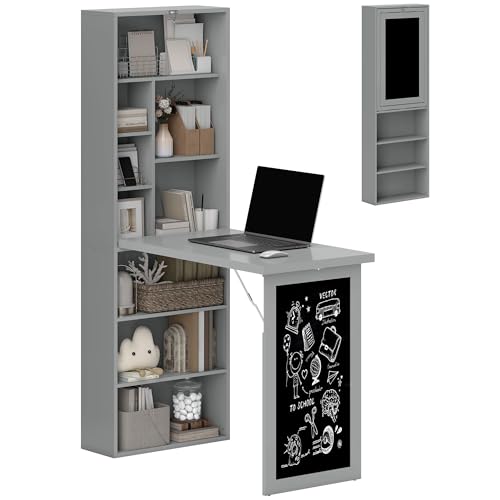
I suggest maintaining a clearance of at least 24 inches between beds and surrounding surfaces to ensure comfortable access for making the bed and navigating around. This applies equally to nightstands placed beside it. For a chair or sofa against a wall, a minimum distance of 36 inches allows for optimal comfort and accessibility without feeling cramped.
In dining areas, allowing a 42 to 48-inch gap between tables and walls or other furniture makes it feasible for diners to move without hindrance. This distance accommodates not only the chairs but also ensures that people can stand up without discomfort. When considering coffee tables in living rooms, a margin of 18 inches from the sofa promotes a more relaxed environment and prevents accidental collisions.
For high-traffic zones, such as hallways or entries, aim for a clear path of 36 inches. This will facilitate smooth movement and enhance the overall functionality of the space. Balancing aesthetics with functionality through proper spacing enhances not only flow but the entire user experience within a room.


Determining Ideal Clearance for Living Rooms
I recommend maintaining a distance of at least 24 inches between seating arrangements and any nearby surfaces to allow for comfortable movement. This measurement applies equally to sofas, chairs, and coffee tables, ensuring that guests can navigate the area without obstruction.
For pathways, a minimum clearance of 36 inches is ideal. This width accommodates two individuals walking side by side, making the area more inviting and functional. In corners or tighter zones, 30 inches can suffice to provide adequate passage without feeling cramped.
When positioning dining tables, ensure at least 36 inches of clearance all around for chairs to be pulled out easily. In smaller dining settings, a tighter radius of 30 inches may work, but this can limit comfort during larger gatherings.
| Furniture Type | Recommended Clearance |
|---|---|
| Between Seating | 24 inches |
| Pathways | 36 inches |
| Dining Tables | 36 inches |
Adjustments can be made based on the room’s function. For example, spaces intended for social interaction may benefit from more generous distances, enhancing the overall flow. Assess your room layout regularly to ensure maximum ease of movement and accessibility.
Minimum Space Requirements for Dining Areas
A minimum of 36 inches is recommended between the edge of the table and surrounding surfaces to ensure comfortable movement. For optimal seating arrangements, at least 24 inches should be allotted per person at the table. For deeper tables, increase the width for diners’ comfort accordingly.
Clearance for Side Chairs
Leave at least 20 inches clearance behind each chair to allow for easy access. When pulling chairs in and out, an additional 12 inches beyond the chair width ensures no obstruction occurs. This facilitates smooth transitions during mealtime.
Buffet and Serving Areas
For buffet setups, provide at least 48 inches of walkway clearance. This allows multiple guests to access the buffet without overcrowding. If a serving cart is in use, ensure a pathway of at least 30 inches to prevent congestion.
Space Considerations for Home Offices
I recommend maintaining a clearance of at least 36 inches between your desk and any walls or other items. This allows for movement without obstruction. Additionally, ensure a minimum of 30 inches in front of your desk for chair maneuverability.
When arranging seating, allow 24 to 30 inches from the edge of the desk to the closest chair. This prevents crowding and promotes comfort. Each workstation should ideally have at least 60 inches in width to accommodate both the desk and space for items like small filing cabinets or bookshelves.
For collaborative areas, aim for at least 48 inches between desks to facilitate interaction without feeling cramped. If additional seating is present, maintain at least 30 inches between chairs to enhance usability during meetings.
If your office includes a printer or other equipment, allocate around 36 inches of clearance in front of it for easy access. Storing essential supplies within arm’s reach minimizes the need for excessive movement, contributing to a more streamlined work environment.
Walking Space Guidelines in Small Apartments
I recommend maintaining a minimum clearance of 24 inches between items in compact living areas to ensure ease of movement. This measurement allows individuals to navigate comfortably without constant adjustments.
For tight corners, aim for a clearance of at least 30 inches. This facilitates access even when navigating multiple pieces of decor or walls, making transitions smoother.
In areas like hallways, a width of 36 inches is ideal, especially where doorways exist. This ensures that moving between rooms does not feel restrictive, promoting a seamless flow throughout the apartment.
Keep routes clear of obstacles to maintain accessibility. A clutter-free path not only looks better but also helps avoid unnecessary bumps or interruptions while walking from one area to another.
Consider using multi-functional furniture to optimize limited square footage. Items that serve dual purposes can reduce the amount of floor area dedicated solely to furniture, improving mobility.
Using furniture with legs can create an illusion of openness and visual clarity. This design choice enhances the sense of roominess, making the apartment feel less confined.
Regularly reassess the layout during various activities to ensure the arrangement continues to meet practical needs. Being adaptable can significantly enhance comfort and usability over time.
Impact of Furniture Arrangement on Accessibility
Ensuring adequate clearance is vital for ease of movement in any living environment. The following guidelines illustrate how furniture setup influences accessibility:
- Clear Pathways: A minimum of 24 inches should be maintained between pieces for unhindered transit. This applies especially to areas transitioning between rooms.
- Doorway Considerations: For doors, there must be at least 18 inches of unobstructed space in front of entrance points. This facilitates easy opening and closing without obstruction.
- Placement of Key Items: Frequently used furniture, like coffee tables or side tables, should be positioned with at least 30 inches of clearance for comfort while seated or standing.
- Accessibility for All: Spaces should be designed to accommodate individuals with mobility aids, ensuring at least 36 inches width throughout primary walking routes.
Adhering to these guidelines promotes functionality and accessibility, benefiting inhabitants, especially those with specific needs. Keep in mind that the arrangement not only maximizes movement but also creates a harmonious and welcoming atmosphere.
Clearance Recommendations for Multi-purpose Rooms
For multi-functional areas, maintaining appropriate distance is key to ensuring comfort and flexibility. A minimum of 36 inches is advised between pieces like sofas and coffee tables to facilitate movement and usage.
Specific Areas to Measure
In zones designated for relaxation and work, a buffer of 42 inches between a desk and any wall or obstruction enhances accessibility, promoting a fluid transition from casual to professional tasks. Additionally, for modular arrangements, aim for 30 inches between chairs and other seats to allow for smooth shifts in conversation or activity.
Practical Tips
When positioning items, arrange heavier pieces, such as bookshelves and cabinets, at least 24 inches from walkways to minimize potential hazards. Keep pathways clear by ensuring no item obstructs entry or exits; this layout not only maximizes utility but also contributes to an inviting atmosphere.
Measuring Walking Space for Safety Compliance
To achieve safety standards, aim for a clearance of at least 36 inches (91 cm) in high-traffic areas. This distance allows for comfortable movement and reduces the risk of accidents. Adjustments may be necessary based on specific room layouts and individual needs.
Key Measurements for Safe Navigation
- Hallways: Maintain a minimum width of 36 inches (91 cm) to accommodate two individuals walking side by side.
- Doors: Ensure a clear path of at least 32 inches (81 cm) when fully opened, allowing for easy entry and exit.
- Between furniture: Strive for at least 24 inches (61 cm) of clearance to facilitate traffic flow, especially in dining and living areas.
Adjustments for Special Needs
If accommodating individuals with mobility aids, consider increasing the width of pathways to 42-48 inches (107-122 cm). Tailoring the environment to specific needs can prevent potential hazards and enhance accessibility for everyone.


