
 Caleb Turner
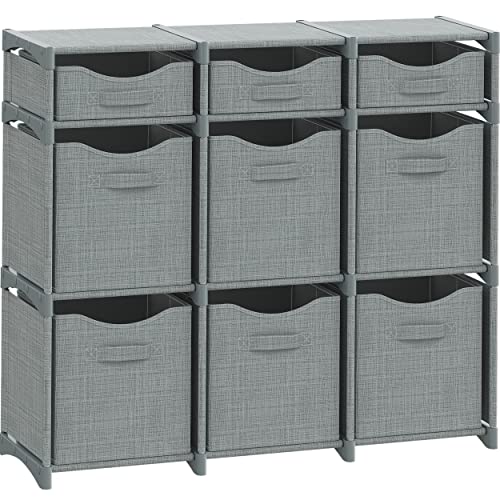
I recommend allocating at least 20 to 30 square feet for each major piece of furniture. This includes sofas, dining tables, and beds. For instance, if you’re considering a sectional sofa, you’ll want to ensure that you have enough room not just for the sofa itself but also for movement and additional furniture around it.
For smaller items like chairs, side tables, or cabinets, a range of 8 to 12 square feet per item will suffice. Grouping these pieces together can create a functional area without feeling cramped. Always keep in mind the importance of clear pathways for comfort and accessibility.
Additionally, incorporate extra space for any decor or personal touches you may wish to add. This would typically be around 10 to 15% of your total area dedicated to decor. Overall, carefully planning your layout will ensure a harmonious balance between aesthetics and functionality.
How Much Space Is Required for Furniture
To accommodate a standard three-bedroom household, allocate approximately 500 to 800 cubic feet. This includes major pieces like sofas, beds, and dining sets along with smaller items such as chairs and side tables.


- Living Room: Allocate around 100 to 200 cubic feet for sofas and entertainment units.
- Bedroom: Around 150 to 300 cubic feet for beds, dressers, and nightstands.
- Dining Area: Reserve 75 to 150 cubic feet for dining tables and chairs.
- Office: Consider 50 to 100 cubic feet for desks, bookshelves, and office chairs.
For seasonal or specialty items, such as holiday decorations or outdoor gear, plan an additional 50 to 100 cubic feet depending on the volume and size of the items. Organizing items within clearly defined boxes or containers can also maximize the available area.
- Use clear bins for visibility.
- Label containers for easy identification.
- Stack items vertically to save floor space.
In summary, the total volume required fluctuates based on the quantity and types of items. Regularly reassess belongings and consider donating or selling items that are rarely used to optimize the available area.
Assessing Your Current Furniture Collection
I recommend conducting a thorough inventory of your existing pieces. Document dimensions, styles, and functionality to evaluate what truly complements your space. Measure each item–height, width, and depth. This allows for an accurate assessment of free areas within your home.
Consider the roles each piece plays in your daily routine. Do you use that oversized sofa regularly? If it mainly serves as a decorative piece, it may not justify its space. Prioritize items that enhance both comfort and aesthetics.
Next, categorize your collection into essentials, occasional uses, and items ready for repurposing or removal. Essentials are your must-haves for daily living, while occasional pieces could be stored or even donated if not in use.
Evaluate the style cohesion. Mismatched items can create a cluttered look, detracting from your home’s ambiance. Aim for a unified aesthetic–this might mean letting go of items that clash with your design vision.
Finally, explore creative configurations. Sometimes, rearranging existing items opens up space unexpectedly. Experiment with layouts before making any new acquisitions to ensure optimized use of available room.
Calculating Space for Future Furniture Purchases
I recommend beginning with a detailed inventory of your living space’s dimensions. Measure the length, width, and height of each room. This allows you to visualize and allocate areas for potential new items. Utilize graph paper or digital design tools to sketch layouts that incorporate various pieces.
Next, consider the style and functionality of the anticipated additions. For instance, modular pieces can adapt to various settings and require less fixed area. Note the dimensions of desired items, whether sofas, tables, or storage solutions, and cross-reference these with your space measurements.
Keep in mind the flow of movement within each space. Maintain a minimum of two to three feet of clearance around major pieces to ensure accessibility. Factor in additional room for any doors or windows, ensuring that these remain operable.
Also, think ahead regarding your lifestyle. Are you planning on hosting gatherings or require extra seating? This influences both the volume and type of new acquisitions. Prioritize multifunctional furniture if space is limited.
Finally, assess seasonal needs. Furniture used primarily in summer or winter may require specific storage solutions to facilitate swapping throughout the year. Map out a strategy for rotating items, which maximizes usability without overwhelming the space.
By being methodical in your calculations, you can effectively project the capacity required for future endeavors while maintaining a harmonious home environment.
Understanding Different Furniture Sizes and Dimensions
Knowing the specific sizes of items is critical. I often refer to standard dimensions to ensure everything fits comfortably within a space. Here are some typical measurements for various types of household pieces:
| Furniture Type | Dimensions (Width x Depth x Height) |
|---|---|
| Couch | 72-96″ x 30-40″ x 30-36″ |
| Coffee Table | 36-48″ x 18-24″ x 16-20″ |
| Dining Table | 60-72″ x 36-48″ x 28-30″ |
| Chair | 24-30″ x 24-30″ x 30-36″ |
| Bed (Queen) | 60″ x 80″ x 24-36″ |
Plus, I keep in mind the spacing required around each piece. Ideally, a minimum of 30 inches should allow for easy movement. Adjustments may be necessary depending on room size and layout. Prioritizing dimensions helps prevent overcrowding and ensures comfort.
For unique or custom pieces, I recommend measuring before purchasing. Taking these steps guarantees compatibility with other items and overall harmony in design.
Evaluating Seasonal Furniture Storage Needs
To efficiently manage space throughout the year, I assess seasonal demands by categorizing items based on use during different periods. For instance, outdoor pieces like patio sets should be stowed during winter months. I recommend allowing a minimum of 15% of the total area set aside for these types of furnishings.
Identifying Temporary Items
Take stock of temporary items, such as holiday decorations and guest accommodations. I prefer to allocate a dedicated space for these pieces, ideally separate from everyday belongings. This allows me to streamline access and maintain organization.
Rotation Strategy
Implementing a rotation strategy aids in maximizing my available space. I plan a schedule to swap items seasonally rather than keeping everything visible at once. This not only enhances accessibility but also creates a fresher aesthetic in my living environment.
Utilizing Vertical Space for Maximum Storage
Maximize limited areas by incorporating shelves from floor to ceiling. I install floating shelves in living rooms or kitchens to display items while keeping surfaces clear. Use brackets for added strength, especially when supporting heavier objects.
Consider tall cabinets or armoires as excellent alternatives. They create visual interest while housing various belongings efficiently. I opt for multi-functional pieces with hidden compartments to maximize utility without compromising design.
Incorporating Hooks and Racks
Wall-mounted hooks are ideal for jackets, bags, or accessories. I find that using pegboards in utility spaces enhances organization and accessibility. For kitchens, magnetic knife strips keep tools handy without cluttering drawers.
Utilizing Baskets and Boxes
Stackable bins or decorative boxes not only provide functionality but also serve as decor. Label each box for easy identification, allowing quick retrieval of items. I often use baskets on shelves to maintain an organized aesthetic while utilizing vertical areas effectively.
Choosing the Right Storage Solution for Furniture
Prioritizing accessibility and organization is key when selecting a method to keep your items secure. Here are various strategies to consider:
1. Assessing Available Options
- Consider climate-controlled units to protect delicate surfaces from humidity and temperature fluctuations.
- Evaluate self-storage as a flexible choice for temporary or long-term needs.
- Look into renting a garage space, especially if you have larger pieces that don’t fit easily.
2. Innovative Approaches
- Utilize multi-functional furniture that doubles as storage, like ottomans or coffee tables with hidden compartments.
- Choose modular units that can be rearranged and adapted over time.
- Incorporate decorative bins or baskets into your decor to keep smaller items tidy while enhancing your aesthetic.
Each option addresses different challenges while helping maintain a clutter-free environment. Evaluate your personal situation to find the best fit.
Organizing Furniture for Easy Access and Space Efficiency
Prioritize the arrangement by keeping frequently used pieces at hand. This ensures that you can quickly access essentials without navigating through less-used items. I recommend starting with a clear layout, sketching your space, and determining where each item fits best based on daily needs.
Strategic Positioning
Utilize zones within your space. For instance, define areas for relaxing, working, and dining. A dedicated zone for each activity enhances flow and ensures quick access to necessary items. Place chairs and tables in a way that promotes ease of movement while maximizing room functionality.
Innovative Use of Accessories
Incorporate multi-functional assets such as ottomans with hidden storage or benches that serve as seating and compartments. I find that using baskets or decorative boxes to store smaller items on shelves keeps the space tidy. Attach hooks on walls for hanging frequently used items, which frees up ground space and allows ease of access.
Evaluate the height and size of items placed on higher shelves or corners. Avoid overloading these spaces, as it could lead to inconvenience during retrieval. I recommend ensuring heavier, less frequently used belongings are stored lower down, while lighter, everyday pieces are easily accessible.


