Caleb Turner
I recommend considering a detailed approach to maximizing available space in any storage unit. A standard 8-foot by 8-foot unit offers roughly 512 cubic feet. Strategically arranging items can significantly enhance storage efficiency.
To optimize space usage, begin with large, bulky pieces like sofas or mattresses. Place heavier items at the bottom and lighter ones on top. Utilize vertical space by stacking boxes and employing shelves when possible. This method allows for better organization while creating more room for additional belongings.


When assessing what to store, keep dimensions in mind. For instance, a standard dining table takes up about 3 feet by 5 feet of floor space. By measuring all items before storage, I can make more informed decisions and avoid underutilizing the available area.
Lastly, consider disassembling larger objects, such as bed frames or desks. This action not only frees up extra space but also facilitates easier transport. With these strategies, effectively utilizing every square foot becomes more achievable.
Understanding Pod Dimensions and Capacities
Knowing the specifications of storage units is essential for efficient organization. Each container differs in measurement, affecting what items may be accommodated.
Typical dimensions include:
- Small: 5×5 feet, ideal for boxes and small appliances.
- Medium: 7.5×7.5 feet, suitable for larger items, including chairs or mattresses.
- Large: 10×10 feet, accommodates several pieces comfortably, like dining sets or couches.
Weight limits are also significant. Most containers support up to 2,000 pounds, ensuring sturdiness for heavier products. Distributing weight evenly prevents damage.
To optimize space:
- Disassemble larger pieces, such as bed frames, to maximize volume.
- Stack boxes vertically, placing heavier ones at the bottom.
- Utilize every available area, including underutilized spaces inside larger items.
Lastly, consider climate control if storing sensitive materials. Units with temperature regulation protect against extreme conditions, ensuring items remain safe.
Types of Furniture Suitable for Storage Containers
Optimize your space by selecting items that maximize available area. Large pieces like sofas and sectional couches often take up considerable volume, so choose models with removable legs or modular designs that allow disassembly.
Bed frames can be stored in a compact manner, especially those that fold or break down into parts. Consider dismantling headboards and footboards to save room.
Dressers and chests are ideal as they often fit snugly against the walls of containers. Opt for stacking storage bins or boxes to utilize vertical space, making access easier and maintaining organization.
When storing tables, consider those with removable legs or extendable designs. These can be laid flat or stacked to conserve space. Seats and chairs usually can be nested, allowing for streamlined packing.
Avoid bulky recliners that have complex mechanisms and look for replacements that are lightweight and easier to pack away. Organize items such as cushions or throw pillows in the same container or box for efficiency.
Small decorative pieces and accessories should be boxed separately to prevent damage. Utilize every available nook and cranny for smaller items, such as lamps or framed artwork, which can often be laid flat or stacked securely.
Measuring Sizes for Pod Compatibility
Accurate measurement is the key to maximizing space in a storage unit. First, I jot down the dimensions of each item–width, height, and depth–before starting the packing process. This helps in visualizing how various pieces will interact within the confined area.
Tools for Effective Measurement
Using a tape measure is fundamental. I typically prefer a 25-foot retractable tape for its portability and ease of use. I ensure to measure every piece, including legs and protruding parts, that might affect the overall fit. Having a notepad or a phone app handy for quick notes can prevent confusion later.
Calculating Volume
To determine how well an item will occupy space, I calculate the volume by multiplying the dimensions: length x width x height. For example, a small desk measuring 5 feet long, 2 feet wide, and 3 feet tall would have a volume of 30 cubic feet. By comparing these calculations to the total capacity of the storage space, I can efficiently decide what to include in the selection.
Organizing Furniture for Maximum Space Efficiency
Utilizing vertical space is key. I stack items when possible, placing shorter pieces on the bottom for stability. This method frees up floor area within the storage unit.
I also disassemble larger items. For example, removing legs from tables or taking apart bed frames allows them to occupy less space. Store components in labeled boxes to ensure easy reassembly.
Strategic Placement of Items
Heavy pieces like sofas should be positioned in the back, serving as a foundation. I place lighter items like cushions or small chairs on top, reducing the risk of damage and maximizing upper space.
Grouping similar items together promotes efficient use of space. I keep like-with-like, such as all kitchenware in one section and all bedroom items in another. This organization simplifies retrieval later.
Protective Packing Techniques
I wrap delicate objects in bubble wrap or packing paper before grouping them together. This minimizes movement and potential breakage. Additionally, I use furniture covers to prevent scratches and dust accumulation during storage.
Lastly, utilizing bins or boxes helps keep small items contained and prevents them from becoming lost. Labeling each box with its contents further streamlines the unpacking process.
Common Mistakes When Packing a Pod with Furniture
Always disassemble large items. Leaving them intact takes up unnecessary space. For example, take apart beds, tables, and shelving units to maximize storage.
Use containers for small parts. I learned the hard way that loose screws and bolts can get lost. Keeping them in labeled bags helps me avoid chaos during unpacking.
Avoid overpacking boxes. Heavy loads can crush lighter items, causing damage. It’s better to distribute weight across multiple containers instead of cramming everything into one.
Don’t forget to protect surfaces. I wrap furniture with moving blankets or bubble wrap to prevent scratches and dents. Even minor damage can be costly to repair.
Skimping on padding can be a big mistake. Proper cushioning keeps items stable and reduces the risk of breakage. I use foam sheets or towels to fill gaps between pieces.
Neglecting to organize while packing leads to chaos later. Arranging items in a logical order, such as placing heavier pieces at the bottom, ensures stability and easier access.
Forget about symmetry. Unevenly stacked items create instability. I always check that everything is balanced to reduce shifting during transit.
Overlooking the height of a storage unit can cause problems. I make sure tall items fit within the limits and don’t reach the ceiling, preventing damage during transport.
Be wary of packing too tightly. Leaving space for airflow prevents moisture buildup, which can damage my belongings. A little gap makes a significant difference.
Lastly, I suggest labeling everything clearly. Knowing what is in each box or section saves time and frustration when unpacking. It streamlines the entire process.
Calculating Weight Limits for Storage Containers
To determine weight restrictions for a storage container, I focus on the specific container’s capacity, typically provided by the rental company. Most containers can accommodate between 2,000 to 2,500 pounds of contents. This figure varies with dimensions and material strength.
Next, I categorize items based on weight. For instance, an average couch weighs around 150 pounds, while a dining table usually ranges from 100 to 200 pounds. I keep heavier objects on the bottom, distributing weight evenly for better stability.
I also consider packed boxes containing books or other dense materials, which can easily reach 40 to 50 pounds per box. It’s essential to balance these heavier boxes with lighter items throughout the container.
In addition, verifying if the storage unit has a weight limit label inside is crucial. This label serves as a guideline for maximizing available space without exceeding safe limits.
I calculate the total weight by weighing individual items beforehand. Knowing the total helps avoid overloading and ensures safe transport and storage.
Utilizing Vertical Space in a Pod
To maximize storage potential, I recommend focusing on vertical arrangements. Start by using shelving units that can be secured to walls of the container. These units enable stacking of boxes and bags, keeping items off the floor and creating additional layers of space. Vertical storage not only optimizes height but also allows for better organization of belongings.
Stackable Solutions
Furniture pieces like stackable stools or ottomans are excellent for creating vertical storage. These can be easily interlinked, providing compact yet effective solutions. I often choose lightweight storage bins that can be easily stacked and labeled, ensuring quick access while maintaining an orderly arrangement. It’s practical to place heavier items at the bottom and lighter, more delicate objects on top.
Utilizing Wall Space
Incorporating wall-mounted hooks or brackets further aids in utilizing vertical dimensions. I hang items such as bicycles, tools, or even smaller pieces of decor. This frees up floor area and enhances accessibility. Additionally, I find using tall shelving units makes retrieving items at lower levels easier without compromising the integrity of what’s stored above.
When packing, I ensure that every inch of vertical space is engaged, ensuring the stability of stacks with sturdy ties or straps, preventing any shifting during transport. By implementing these strategies, I significantly enhance the overall storage capacity while keeping my belongings organized and safe.
Securing Furniture Inside the Pod During Transport
To ensure that your belongings remain intact, I recommend using heavy-duty straps or tie-downs to secure everything tightly inside the storage unit. Place soft padding or moving blankets between items to prevent scratches and dents.
Recommended Securing Techniques
Utilizing a combination of techniques maximizes stability:
- Strapping: Fasten larger pieces like couches and tables securely against the walls.
- Stacking: Place smaller items atop heavier ones. Always position the heaviest items on the bottom.
- Blocking: Fill gaps with smaller boxes or cushions to eliminate shifting during transport.
Essential Materials
Gather these supplies before packing:
| Item | Purpose |
|---|---|
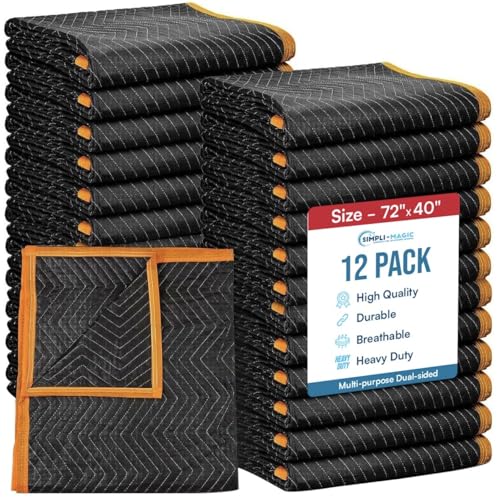
| Moving Blankets | Protect surfaces from scratches |
| Plastic Wrap | Keep items together and prevent dust |
| Tie-Down Straps | Secure large items and minimize movement |
| Foam Corner Protectors | Safeguard edges of delicate pieces |
Incorporating these strategies guarantees a safe transport experience, maintaining the condition of my assets throughout the journey.
Comparing Pod Sizes for Different Furniture Amounts
Selecting the right container size is critical for optimizing space. Here’s a breakdown of various dimensions and how they accommodate diverse items.
Standard Pod Dimensions
- 8-foot unit: Ideal for small studio apartments or major items like a mattress, box spring, and several small boxes.
- 12-foot unit: Suitable for the contents of a one-bedroom apartment, holding sofas, dining tables, and multiple cardboard containers.
- 16-foot unit: Accommodates a two-bedroom home, housing larger pieces such as sectionals, beds, and appliance storage.
- 20-foot unit: Capable of handling a three-bedroom dwelling, allowing substantial furniture and additional decor items.
Strategic Considerations for Furniture Packing
- Prioritize large items first. Place heavy pieces such as dressers and sofas along the walls.
- Utilize smaller items to fill gaps. Boxes, chairs, and cushions can stack efficiently when integrated wisely.
- Add vertical arrangements. Consider shelving for lightweight objects to enhance overall stability.
- Review weight distribution. Ensure heavier items are lower to the ground for a more stable load during transport.
Analyzing pod sizes against your inventory enables effective planning and organization, making the moving experience smoother.
FAQ:
What are the dimensions of a typical storage pod?
A standard storage pod often comes in various sizes, with common dimensions being around 8 feet wide, 8 feet high, and 12 to 16 feet long. This equates to a volume of approximately 576 to 768 cubic feet. However, some companies offer larger or smaller options to cater to different storage needs.
How do I determine how much furniture can fit in a storage pod?
To calculate how much furniture can fit, first measure the dimensions of each piece of furniture you plan to store. Create an inventory list and note the sizes. Next, compare the total volume of your items with the pod’s capacity. It’s also helpful to consider stacking and arranging items efficiently to maximize the available space.
Can I fit a whole apartment’s worth of furniture in a pod?
Fitting an entire apartment’s worth of furniture in a pod is often feasible, depending on the size of the apartment and the specific pod dimensions. For a 1-bedroom apartment, a 16-foot pod may typically hold a sofa, bed, dining table, chairs, and several boxes. However, it’s advisable to assess the individual furniture sizes and how well they can be arranged to prevent overcrowding.
What items should I avoid storing in a pod?
There are several items you should avoid storing in a pod to ensure safety and prevent damage. These include perishable goods, hazardous materials like chemicals or explosive materials, and items that require climate control, such as delicate electronics or fine art. This ensures that both your items and the storage pod remain in good condition.
How can I protect my furniture while it’s stored in a pod?
To protect your furniture while it’s in a pod, you should use proper packing materials. Wrap fragile items in bubble wrap, use moving blankets to shield larger pieces, and secure everything with straps to prevent movement during transport. Additionally, placing a plastic cover over upholstery can help guard against moisture and dirt.
How do I determine how much furniture can fit in a pod?
To determine how much furniture can fit in a pod, start by measuring the dimensions of your pod, noting its length, width, and height. Next, assess the individual dimensions of your furniture pieces, such as sofas, beds, tables, and chairs. Create a rough sketch or use a furniture layout app to visualize how your items can be arranged within the pod’s space. Keep in mind the need for proper packing to protect your furniture and allow for some air circulation. It’s also helpful to consider disassembling larger items, like bed frames, to create more space.
What types of furniture are best suited for packing into a pod?
When selecting furniture to pack into a pod, consider items that are sturdy and can withstand being stacked, such as wooden tables and dressers. Sofas and chairs that can be easily disassembled or have removable legs are preferable, as they take up less space. Avoid overly fragile items, like glass tables or delicate antiques, unless they are well protected. Additionally, utilizing vertical space by stacking lighter items on top of heavier ones will help maximize the pod’s capacity. Keep in mind that furniture that can be compactly packed or nested, like folded chairs or modular shelving units, is ideal.