
 Caleb Turner

For best results, three to four layers of a quality finish are recommended for protecting your wooden seating against the elements. This ensures a deep penetration into the grain, enhancing both durability and appearance.
Initially, apply the first layer generously, allowing it to soak for 15 to 30 minutes before wiping off any excess. This step is crucial for an even foundation. Subsequent applications should be thinner, focusing on building up the protective barrier while allowing previous layers to fully cure.

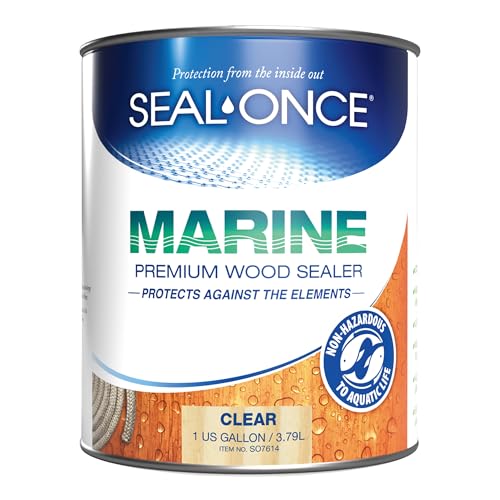

Regular maintenance, such as reapplying every six months to a year, is essential for longevity. Keep an eye on the wood; when it begins to appear dry or faded, it’s time to refresh the finish. Each season can introduce varying weather conditions that may impact your seating’s resilience.
Application Recommendations for Protective Finish
Two to three applications are typically optimal for an enduring protective covering on exterior pieces crafted from hardwood. The initial layer penetrates deeply, enhancing the natural grains and providing a robust foundation. Each subsequent application builds upon the last, creating a resilient barrier against environmental factors.
Preparation and Application Process
Before application, ensure surfaces are clean and free from debris. Lightly sand the area if necessary, focusing on removing any previous residues. Use a clean, lint-free cloth to apply the medium, working in the direction of the wood grain. Allow sufficient drying time according to the product specifications before adding additional layers.
| Step | Description |
|---|---|
| 1 | Clean the surface thoroughly. |
| 2 | Slightly sand if needed for better adhesion. |
| 3 | Apply the first coat, ensuring even coverage. |
| 4 | Wait for the adequate drying time. |
| 5 | Repeat the process for additional layers. |
Maintenance Tips
After the application is complete, inspect the area periodically and reapply as needed. Environmental exposure can vary, so adjust the maintenance frequency based on the specific conditions your pieces face. Regular checks and touch-ups will ensure prolonged protection and enhance the overall appearance of the wood.
Understanding Teak Oil Properties
I recommend selecting a product formulated with a blend of oils, specifically designed to penetrate hardwoods. These mixtures typically enhance the wood’s natural color and can include additives like UV blockers, which protect surfaces from sun damage. Ensure the formula is compatible with the wood type to achieve optimal saturation and longevity.
Pervasiveness and Absorption
When applied correctly, a quality product should seep deeply into the grain, creating a robust barrier against moisture. This moisture resistance is essential for maintaining the integrity of the structure and preventing warping or cracking. I advise testing a small area first to evaluate how well the material absorbs the liquid.
Enhancing Durability
The right finish can create a protective layer against stains and environmental factors. I suggest reapplication annually to sustain these protective qualities, especially in climates with extreme weather conditions. Consistent maintenance significantly prolongs the lifespan of your pieces.
Factors Affecting the Number of Applications Required
The specific attributes of the piece determine the quantity of layers necessary for optimal protection. Several influencing factors include:
-
Wood Type: Different woods absorb finishes differently. Denser hardwoods typically need fewer applications than porous varieties.
-
Surface Preparation: Well-sanded and cleaned surfaces enhance absorption. Any existing finish should be stripped away for effective penetration.
-
Environmental Conditions: Humidity and temperature during application play significant roles. Warmer, drier conditions generally result in quicker drying and better absorption.
-
Desired Finish: The aesthetic result impacts application numbers. A richer, deeper hue may require additional layers to achieve the desired tone.
-
Exposure Levels: Pieces subject to harsher weather will demand more frequent applications to maintain protection against moisture and UV damage.
Application Techniques
Different methods used for application can also alter the total needed:
-
Brush Application: Brushes might lead to more controlled and even layers, allowing for a uniform finish with potentially fewer applications.
-
Spray Application: While faster, this technique may require extra attention to details, often leading to additional applications for full coverage.
By considering these factors, you can tailor the number of applications for the best results in protecting and enhancing your wooden items.
Preparing Outdoor Furniture for Teak Oil Application
Thorough cleaning is the first step. I prefer using a mixture of warm water and mild soap, applying it using a soft brush. This helps remove dirt, grime, and any existing finish.
After scrubbing, it’s crucial to rinse the surface well to eliminate soap residue. I let the pieces dry completely before proceeding, ensuring no moisture is trapped beneath the treatment.
Inspect for any damage orwear. If there are scratches or scuffs, I lightly sand the affected areas with fine-grit sandpaper to create a smooth and even surface for absorption.
Before application, I recommend using a lint-free cloth to wipe down the surfaces, removing any dust generated from sanding. This step enhances adhesion, allowing for better penetration of the finish.
Checking the weather is vital. I aim for a dry day with mild temperatures; excessive heat or moisture can hinder proper absorption of the solution.
Following these steps leads to a more durable finish, providing better protection against the elements while enhancing the natural beauty of the wood.
Step-by-Step Application of Teak Oil
Begin with cleaning the surface thoroughly. Use a mixture of mild soap and water to remove dirt and debris. Rinse well and allow it to dry completely, which usually takes several hours.
Next, choose a high-quality applicator like a clean cloth, brush, or foam applicator. I prefer using a cloth for better control and even application.
Pour a small amount of the liquid into a bowl or direct onto the surface. Start applying in long, even strokes along the grain of the wood. This ensures an even absorption.
- Apply liberal amounts, especially on areas exposed to the elements.
- Check for dry spots or uneven areas and reapply as needed.
After the initial application, let the surface sit for about 15 to 30 minutes to allow penetration. Wipe off any excess product with a clean cloth to prevent surface stickiness.
Wait roughly 24 hours before applying additional layers. Look for a uniform sheen; if spots appear dull, it may be time for another application.
- Use the same technique for subsequent layers.
- Continue monitoring the absorption until reaching the desired depth of color and protection.
- Usually, two to three applications suffice for optimal results.
Finally, allow the last layer to cure for at least 48 hours before using or placing items on the surface. This ensures a solid finish that promotes longevity.
Signs That Additional Coats Are Needed
Visible wear and tear, such as fading or discoloration on the surface, indicates that the protection level has dropped. When the wood starts to appear lighter, it suggests that more layers are necessary to restore its rich hue. Regular inspections for these changes will help determine the right moment for reapplication.
Absorption Rate
If the material absorbs moisture rapidly, it may signal insufficient defense against the elements. A quick absorption test involves applying a few drops of water; if it soaks in immediately, fresh layers are required to enhance barrier properties.
Tactile Feel
A rough or dry texture can also reveal the need for an extra application. Running your hand over the surface should provide a smooth experience; if it feels coarse, additional treatment can revitalize the finish and protect the structure.
Look for signs of peeling or flaking paint, which may indicate that the existing applications have worn away. This not only affects aesthetics but also exposes the material to deterioration. Address these signs quickly to ensure lasting durability.
Finally, changes in glossiness can serve as an indicator. If the previously shiny surface appears dull or matte, it’s likely time to refresh the finish. Maintaining the luster not only enhances the visual appeal but also reinforces protective qualities against external factors.
Recommended Drying Times Between Coats
I recommend allowing at least 4 to 6 hours for drying between applications. Depending on humidity and temperature, this period may vary. If conditions are particularly humid or cold, extending drying time to 12 hours is advisable.
For the best results, I suggest checking the surface with a fingertip; if it feels tacky or sticky, additional time is needed. If the finish appears dull and does not reflect light, it’s ready for another layer.
In warm, dry environments, I often find that the drying process can be quicker, sometimes allowing for a new application after just 2 to 3 hours. It’s always wise to adjust based on the actual weather conditions on the day of your application.
After the final application, it’s crucial to wait a minimum of 24 hours before exposing the surface to water or heavy use. This ensures the finish cures properly and enhances its longevity.
Maintenance Tips for Oiled Outdoor Furniture
Regular cleaning with a soft cloth and mild soap solution is essential to maintain the beauty of your treated seating. Avoid harsh chemicals as they can strip protective layers.
Inspect the surfaces periodically for any signs of wear or fading, indicating that additional protective applications may be necessary. Look closely at joints and edges where moisture tends to accumulate.
Reapply the protective treatment every 6 to 12 months, depending on exposure to sunlight, rain, and overall climate conditions. If the surface starts to feel dry or rough, it’s time for a refresh.
For enhanced durability, consider storing the pieces indoors during harsh weather conditions or using protective covers that allow moisture to escape while shielding against the elements.
If you notice peeling or flaking, gentle sanding with fine-grit paper can help prepare the surface for a fresh application of your restorative product.
Always test a small, inconspicuous area before performing a full application, ensuring compatibility and aesthetics are upheld.
Common Mistakes When Applying Teak Oil
Skipping the preparation phase is a frequent error I see. Failing to clean and sand the surface before application can lead to poor adhesion and uneven absorption, affecting the final appearance.
Applying the finishing treatment in direct sunlight is another blunder. Heat can cause it to dry too quickly, resulting in streaks or a blotchy finish. I always recommend working in a shaded area to ensure an even application.
Neglecting to use the right applicator can be detrimental. A brush or rag that isn’t appropriate for the type of finish being applied may not achieve the desired result. I prefer using natural bristle brushes for a smooth application.
Insufficient Drying Time
Rushing the drying process is a common mistake. It’s essential to let each layer dry completely before applying another. I usually wait at least 24 hours between applications, but this can vary based on temperature and humidity.
Overapplication of Product
Applying too much liquid can lead to a greasy surface that attracts dirt and dust. I focus on applying thin, even layers to allow the material to breathe and prevent build-up.
Another point to consider is forgetting to check for the manufacturer’s instructions regarding reapplication intervals. I make sure to follow guidelines for refreshing the finish to maintain the longevity of the piece.
FAQ:
How many coats of teak oil should I apply to my outdoor furniture?
The standard recommendation for applying teak oil to outdoor furniture is typically two to four coats. The exact number of coats can depend on various factors such as the type of teak, the condition of the wood, and the exposure to weather elements. For newly manufactured furniture, two coats are often sufficient to provide a base protective layer. However, older or more weathered teak may benefit from additional applications for deeper penetration and enhanced protection.
Does more coats of teak oil always mean better protection for outdoor furniture?
Applying multiple coats of teak oil can improve protection, but too many coats may lead to a sticky surface and can result in a buildup that affects the finish. It’s important to allow each coat to dry completely before applying the next. Generally, two to three coats are sufficient for effective protection, allowing the wood to breathe while providing a moisture barrier. If the furniture tends to be exposed to harsh weather conditions, you might consider adding an extra coat, but ensure that it is well-maintained over time.
How can I tell if my outdoor furniture needs more teak oil?
Signs that your outdoor furniture may need more teak oil include a faded color, visible dryness, or a rough texture. If the wood starts to look dull or starts to lose its natural luster, it’s an indication that a refresh is needed. Testing the wood by applying a drop of water can also help; if the water beads up, the oil is doing its job. If the wood absorbs the water quickly, it’s a good sign that it’s time to reapply teak oil.
Can I apply teak oil over an existing finish on outdoor furniture?
It is generally not advisable to apply teak oil over an existing finish such as varnish or polyurethane, as these can prevent the oil from properly penetrating the wood. If the furniture has an old finish, it is best to strip it off and clean the surface before applying teak oil for the best results. Proper preparation will ensure that the oil is absorbed effectively, thereby extending the life and appearance of your furniture.


