
 Caleb Turner
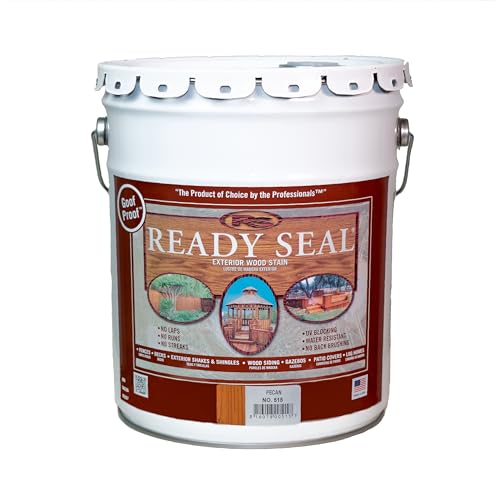
After applying the initial layer of the finish, I recommend allowing it to cure for 4 to 6 hours before adding another layer. This timeframe ensures adequate absorption and prevents issues such as smudging or uneven texture.
It’s important to note that environmental factors can influence this duration. For instance, higher humidity or cooler temperatures might extend the drying time. Therefore, assessing the conditions in your workspace can provide more accurate timing for reapplication.
For optimal results, always perform a touch test. The surface should feel dry to the touch and have no tackiness before proceeding with another application. This attention to detail significantly enhances the final appearance and durability of the finish.
Timeframes Between Layers of Finish
I recommend allowing a minimum of 4 to 6 hours for the initial application to dry adequately before applying the next layer of finish. This duration can vary based on factors like room temperature and humidity levels. In cooler or more humid environments, it might be wise to extend this time to 8 to 12 hours.
Between layers, conducting a quick touch test can help determine dryness; if it feels tacky, give it more time. After applying multiple finishes, it’s advisable to let the final layer cure for up to 24 hours before usage to achieve the best results.


For certain products, checking the manufacturer’s instructions is essential, as specific formulas may require longer intervals or have unique requirements. Proper ventilation also plays a role in the drying process, so ensure the area is well-aerated during application.
Understanding Stain Types and Their Drying Times
Oil-based formulations typically require 6 to 8 hours for initial drying prior to applying another layer. Full curing may take up to 24 hours or more, depending on environmental conditions.
Water-based options dry significantly faster, often within 1 to 2 hours for touch dry, and can be ready for an additional layer within 2 to 4 hours. They tend to cure within 24 hours.
Types of Stains
- Oil-based: Rich color and durable finish; slower drying time.
- Water-based: Fast-drying, easy to clean; less odor and quicker application.
- Gel stains: Thicker consistency; allows for controlled application, drying is similar to oil-based.
Environmental Factors
- Humidity: High moisture levels can extend drying times.
- Temperature: Warmer conditions speed up the drying process.
- Ventilation: Good airflow ensures quicker drying.
Always check each product label for specific instructions, as formulations can vary. Testing on a small area assists in determining optimal conditions for the particular product used.
Factors Affecting Stain Drying Time
The environment plays a significant role in how quickly surfaces dry after applying color. Humidity levels can drastically prolong the drying process. High moisture in the air can slow down evaporation, meaning that a humid day may lead to extended waiting periods before applying additional layers.
Temperature is another critical element. Warm conditions can accelerate drying significantly. Ideally, temperatures between 70°F and 80°F (21°C to 27°C) create optimal drying conditions. If the temperature drops below this range, I often notice the drying time increases, requiring patience.
Air circulation impacts drying as well. A well-ventilated area allows moisture to dissipate faster, reducing the drying time. I usually recommend using fans or placing the piece near an open window to enhance airflow.
The type of application method influences drying as well. Brushing usually leads to a thinner application than using a cloth or spray, often decreasing drying duration. I find that consistent, even layering can facilitate quicker drying and better adherence of subsequent applications.
Lastly, the material of the item affects absorption and drying. Porous woods absorb more stain, which can lead to longer drying times compared to denser woods. Understanding the characteristics of the specific wood type helps in anticipating the time needed before the next application.
Recommended Waiting Times for Oil-Based Stains
Approximately 24 hours is typically required for oil-based finishes to cure adequately before applying an additional layer. This timeframe allows the initial application to penetrate deeply and bond effectively with the wood surface. However, depending on environmental conditions such as humidity and temperature, this duration may vary.
Temperature Impact
In warmer conditions above 70°F (21°C), I often find that the drying process accelerates, possibly reducing the necessary duration between applications. Conversely, in colder environments, the time can extend significantly; I recommend checking the surface for a firm touch before proceeding.
Humidity Levels
High humidity levels can impact the absorption rates of oil-based products. Consistently monitoring indoor moisture can inform my decision on whether to delay further applications. It’s best to ensure the air is as dry as possible to facilitate optimal drying conditions.
Recommended Waiting Times for Water-Based Stains
I recommend allowing a drying period of 1 to 2 hours after applying water-based colors before adding another layer. However, varying conditions such as temperature and humidity can influence this timeline. In optimal scenarios, with temperatures around 70°F (21°C) and low humidity, you might find that 1 hour suffices.
Testing for Touch
Before proceeding with an additional application, lightly touch the previously stained surface in an inconspicuous area. If it feels dry and no residue transfers to your finger, you’re ready for the next layer. If it remains tacky, give it extra time.
Final Curing Considerations
Although initial drying may happen quickly, full curing can take several days. I advise waiting at least 72 hours before subjecting the piece to heavy use or applying any protective finish. This ensures an optimal bond and finish durability.
How Humidity and Temperature Influence Stain Drying
Maintaining an optimal environment is crucial for achieving satisfactory results. Ideal conditions usually involve humidity levels between 40% and 60%. Higher humidity can significantly slow the drying process, leading to uneven finishes and prolonged wait times for subsequent applications.
Temperature also plays a key role. The best range is typically around 70°F to 80°F (21°C to 27°C). At lower temperatures, the drying time extends as cooler air can trap moisture. Conversely, excessively warm environments can cause the stain to dry too quickly, risking a patchy finish.
- In humid conditions, consider using a dehumidifier to enhance airflow.
- For high temperatures, try working in the early morning or late evening when it’s cooler.
- Monitor indoor temperatures, as using air conditioning during hot days can help regulate ambient conditions.
By carefully controlling these factors, I can ensure a more uniform and professional-looking finish for my projects. Each coat applied in optimal conditions adheres better, leading to a longer-lasting surface. An awareness of humidity and temperature not only accelerates my projects but also elevates the quality of the final product.
Signs That It’s Time for Another Coat
Look for these indicators to determine if an additional layer is necessary: a dull appearance or uneven color finish signifies the need for enhancement. A surface that feels tacky or sticky after the recommended drying period suggests that it’s not ready for the next application.
Inspect for visible streaks or lines that appear after initial application; these are clear indications that the current finish requires more depth. If the grain of the wood is still overly prominent or harsh, applying another layer can help achieve a smoother result. Pay attention to areas with varying texture or color, as they might benefit from further treatment to ensure uniformity.
Surface Feel and Texture
A tactile assessment can be telling. If the surface feels rough or contains any imperfections, it’s advisable to apply a fresh layer to achieve a refined finish. Rubbing the surface with a clean cloth can reveal any inconsistencies in texture, pointing to the necessity for another application.
Drying Time Observations
Keep track of the elapsed time since last application. If the drying environment is conducive and you notice signs of incomplete curing, a new coating may be warranted. Regular monitoring will help assure you achieve the desired aesthetic and durability.
Testing for Dryness Before the Next Application
To determine if the surface is ready for another layer, I typically use a straightforward method. I lightly touch the area with my fingertip. If it feels tacky or leaves a mark, additional drying time is necessary.
Conducting the Water Test
An effective way to assess readiness is the water test. I apply a small droplet of water on the surface. If the droplet beads up, it indicates that the previous layer is still wet. If the droplet soaks in quickly, it’s a sign the surface is dry and can accept another application.
Time Considerations and Environment
The environmental conditions can influence the drying process. I take note of the temperature and humidity levels in my workspace. Higher humidity and lower temperatures generally require more time for the finish to cure.
| Dryness Indicator | Action Required |
|---|---|
| Tacky surface | Wait longer |
| Water droplets bead up | Allow more drying time |
| Water soaks in | Ready for the next layer |
Best Practices for Applying Multiple Coats
Ensure to prepare the surface thoroughly before applying the first layer. Clean any dust or residue, and sand lightly for better adhesion.
Apply the initial application evenly, using a brush or cloth, based on the desired effect. A thin layer promotes faster drying and reduces the risk of runs or drips.
Monitor the drying signals; typically, oil-based products require 24 hours, while water-based options may take 2-4 hours. Adjust your schedule based on the specific product instructions.
Lightly sand the surface between applications to enhance bond strength. This step minimizes imperfections and ensures a smooth finish.
Always test a small area before committing to a complete application. This allows you to confirm the color and final appearance.
Use a well-ventilated area to facilitate quicker drying times. Proper airflow minimizes humidity impact and encourages optimal results.
Track the environmental conditions, as temperature and humidity can significantly influence the drying processes. Aim for an optimal range for the best outcome.
Pay attention to the manufacturer’s guidance for layering frequency and thickness. Each type of product may have unique properties affecting the best approach.
After completing the desired number of applications, allow it to cure fully. This period is crucial for achieving durability and resistance against wear.
Common Mistakes to Avoid Between Coats
Avoid applying a new layer before the previous one is completely dry. This can lead to uneven finishes and a longer drying time.
Skipping Sanding
Not lightly sanding the surface between applications can result in poor adhesion. A fine-grit sandpaper can help enhance the bond between layers.
Ignoring Environmental Conditions
Applying in high humidity or low temperature can drastically affect the curing process. Always check the humidity and temperature settings to ensure optimal conditions for application.
Be cautious about using too much product. Thick layers may impede drying and result in a blotchy appearance. Aim for thin, even applications to achieve the desired finish.
Don’t neglect to clean the brush or applicator properly. Residues can transfer to the next application, compromising the overall look of the piece.
Lastly, be mindful of application overlap. Not maintaining a consistent technique can cause visible lines or marks, which detracts from the overall aesthetics. Aim for smooth, even strokes for uniform results.
FAQ:
How long should I wait between coats of stain on furniture?
Generally, it’s recommended to wait about 2 to 4 hours between coats of stain. This time can vary depending on several factors, including the type of stain used, the humidity and temperature of your workspace, and the material you’re staining. For oil-based stains, a longer drying time of around 6 to 8 hours may be necessary. Always check the manufacturer’s instructions on the product label for the most accurate guidance.
What happens if I apply a second coat of stain too soon?
If you apply a second coat of stain too soon, it can lead to a variety of issues. The new layer may not adhere properly, resulting in streaks or an uneven finish. Additionally, if the first coat is not fully dry, solvents in the second coat can react with the first, causing smudging or a gummy texture. It’s important to ensure the first coat is completely dry to achieve the desired look and durability.
Can I speed up the drying process between stain coats?
Yes, you can speed up the drying process by improving air circulation in your workspace. Opening windows or using fans can help, as well as raising the temperature slightly if possible. However, avoid using heat sources like hair dryers, as they can cause uneven drying and potentially damage the stain. Patience is key to achieving a smooth finish, so while you can hasten the process, it’s best not to rush it too much.
Is the drying time different for water-based stains compared to oil-based stains?
Yes, the drying time for water-based stains is typically shorter than that of oil-based stains. Water-based stains can dry in about 1 to 2 hours, allowing for recoating in as little as 2 to 4 hours. In contrast, oil-based stains often require 6 to 8 hours, and sometimes even longer. Always refer to the specific product instructions for best results, as different brands may have varying recommendations.


