Caleb Turner

For optimal longevity, expect quality items made from wicker materials to serve you well for 10 to 15 years with proper care. The secret lies in adequate maintenance and protection from moisture and extreme temperature fluctuations.
Ensure regular dusting and cleaning with a damp cloth to prevent dirt accumulation. Applying a suitable wood conditioner or protective spray can enhance durability and preserve appearance. Avoid exposing these pieces to direct sunlight, which can lead to fading and weakening of fibers over time.
Choosing high-quality craftsmanship significantly influences lifespan. Look for items that feature sturdy frames and tightly woven strands, as these characteristics indicate better resilience. Investing in such pieces not only provides aesthetic appeal but also guarantees lasting use in your living space.
Durability of Indoor Wicker Creations
Quality pieces can endure for 10 to 15 years with proper care. To maximize lifespan, consider these factors:
- Climate Control: Maintain a stable indoor environment; avoid extreme temperatures and humidity.
- Cleaning: Regularly dust and occasionally wipe with a damp cloth to prevent dirt buildup.
- Avoid Direct Sunlight: Place away from windows to prevent fading and weakening of materials.
- Use Protective Coatings: Apply a sealant for added protection against wear and tear.
Investing in high-quality items crafted from natural materials generally results in an extended lifespan. Always check the manufacturer’s recommendations for specific maintenance tips.


Understanding Rattan Furniture Materials
For optimal longevity, focus on natural and synthetic components. Natural materials, such as real rattan, are woven carefully and offer a warm aesthetic. However, look for high-quality variants with treated surfaces to guard against damage.
Material Types
When selecting seating or tables, assess the differences between various materials used in construction:
| Material Type | Characteristics | Durability |
|---|---|---|
| Natural Rattan | Flexible, lightweight, eco-friendly | Moderate to High |
| Synthetic Rattan | Durable, weather-resistant, uniform appearance | High |
| Wood Frame | Sturdy, classic style, heavy | High |
| Metal Frame | Modern look, resistant to corrosion | Very High |
Maintenance Considerations
Regular cleaning is vital. Use a soft brush or cloth to remove dust; avoiding harsh chemicals prevents wear. For natural fibers, ensure thorough drying if exposed to moisture, as trapped humidity can lead to mold or degradation.
Factors Influencing Lifespan of Rattan Furniture
Regular maintenance can significantly extend the life of these pieces. I recommend cleaning them with a soft, damp cloth and avoiding harsh chemicals, as they can degrade the materials over time.
Environmental conditions play a crucial role. Keep your items in a stable climate, away from direct sunlight or extreme humidity, which can cause warping and fading. A controlled indoor setting is ideal.
The quality of craftsmanship directly affects durability. High-quality weaving and finishing techniques are essential. Look for well-constructed items with solid joints and smooth finishes.
Usage patterns also matter. Gentle use will likely preserve the integrity of any seating or surface. Avoid placing heavy objects on weak parts, which can lead to structural damage.
Protective measures can be beneficial. Consider applying a stain-resistant fabric protector or using coasters and placemats to prevent scratches and stains.
Storage practices should not be overlooked. When not in use, cover or wrap items to protect them from dust and debris, which can cause wear over time.
Proper Maintenance Tips for Indoor Rattan
Regular dusting with a soft cloth is crucial. I recommend using a microfiber cloth to avoid scratching the surface.
Weekly vacuuming helps remove dirt and debris from crevices. A brush attachment works well for this purpose.
Moisture can harm these items, so maintaining a dry environment is key. Keep humidity levels below 50% to prevent mold growth.
Spot cleaning stains immediately with a damp cloth prevents permanent marks. Use a mild soap solution, and always test on a hidden area first.
Apply a protective sealant every few years to enhance durability. This creates a barrier against spills and stains.
Avoid direct sunlight exposure, as UV rays can fade colors. Position furniture away from windows or use sheer curtains for added protection.
For occasional deep cleaning, a steam cleaner may be used, but keep it at a safe distance to avoid over-saturating the material.
Inspect regularly for wear or damage. Address any issues promptly to protect structural integrity.
Following these practices will significantly enhance the lifespan of my indoor woven treasures.
Signs of Wear and Tear in Rattan Furniture
Look for fraying edges or loose strands in the woven material. These indicate that the surface is degrading and may require immediate attention. Pay attention to any soft spots or areas that feel weak when pressure is applied.
Surface Cracks and Splits
Inspect for cracks or splits on the surface. These can develop over time, particularly if humidity levels fluctuate significantly. Such weaknesses might compromise the overall stability of the piece.
Discoloration and Stains
Monitor changes in color or the presence of stains. Sun exposure can lighten certain areas, while spills may lead to dark spots or fading. Both signs suggest that protective coatings may need reapplication.
Comparing Rattan to Other Indoor Furniture Materials
Choosing the right material for home decor can heavily influence durability and aesthetics. Solid wood, for instance, offers longevity and a timeless appeal but often comes at a higher price point. It tends to withstand heavy use, but can also be prone to scratches and requires maintenance to prevent warping.
On the other hand, metal options present a sleek modern appeal and unmatched durability. They resist wear but may not provide the warmth that woven models or softer materials do. Metal can also be heavier, impacting flexibility in arranging living spaces.
Another alternative is plastic, which is lightweight and easy to maintain. However, it often lacks the aesthetic appeal and texture that natural fibers provide. While more affordable and resistant to environmental damage, plastic can appear less elegant in certain settings.
Textiles such as upholstered items present comfort but often require frequent cleaning. They can wear down faster than other materials, particularly in high-traffic areas, making them less ideal for long-term investment.
In comparison, natural fibers combined with sturdy frameworks offer a distinctive blend of charm and resilience. The ability to integrate into various design styles from bohemian to contemporary makes them versatile.
Your choice will ultimately depend on personal style preferences, usage, and the environment in which the pieces will exist. Understanding the unique traits of each material helps in making informed decisions when curating an indoor space.
Climate’s Impact on Rattan Durability
Humidity plays a significant role in the lifespan of these woven items. High moisture levels can lead to mold growth, while dryness can cause the material to become brittle and crack. Maintaining a stable indoor environment with controlled humidity between 40-60% is beneficial.
Temperature Considerations
Extreme temperatures can affect the integrity of the weave. Keeping the setting between 65°F to 75°F (18°C to 24°C) is ideal. Avoid placing items near heat sources such as radiators or air conditioning vents, as they can cause rapid temperature fluctuations that harm the material.
Sunlight Exposure
Direct sunlight can fade colors and weaken strands over time. Using sheer curtains or positioning away from windows can reduce UV exposure, preserving the appearance and strength.
Incorporating these climate-related factors into your care routine can significantly enhance the durability of these pieces while maintaining their aesthetic appeal.
Best Practices for Storing Rattan Furniture
To ensure the longevity of your woven pieces, store them in a climate-controlled environment. Keep the humidity level between 45% and 55% to prevent cracking and warping.
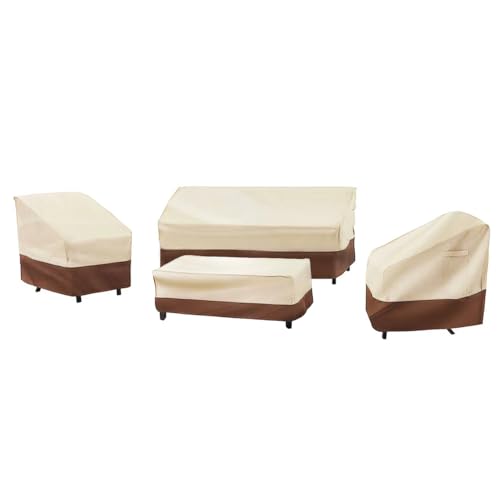
Use protective covers when not in use. These should be breathable to avoid moisture buildup while preventing dust accumulation.
Avoid direct sunlight exposure to prevent fading and deterioration. If possible, keep your items away from windows or use UV-blocking window treatments.
Store items on raised surfaces, such as shelves, to avoid contact with damp floors. This reduces the risk of mold and mildew.
Regularly inspect stored items for signs of pests. Using essential oils like cedar can help deter unwanted visitors.
If relocating pieces, handle them with care to avoid structural damage. Use padded furniture movers to minimize impact.
Lastly, maintain a clean storage area. Dust and dirt can lead to scratches and other forms of damage over time.
FAQ:
How durable is rattan furniture when kept indoors?
Rattan furniture is quite durable when used indoors. Typically, high-quality rattan pieces can last anywhere from 5 to 10 years or more with proper care. This lifespan can vary based on the manufacturing process, maintenance, and environmental conditions. Indoor settings protect rattan from harsh weather elements, enhancing its longevity.
What factors influence the lifespan of rattan furniture indoors?
Several factors can affect how long rattan furniture lasts indoors. These include the quality of the rattan used, the construction methods, and the type of finish applied. Regular maintenance, such as cleaning and occasional conditioning, can also play a significant role in preserving the furniture. Additionally, keeping the furniture away from direct sunlight and moisture can prevent wear and tear.
Can I extend the life of my rattan furniture, and if so, how?
Yes, you can extend the life of rattan furniture with some simple practices. First, keep the furniture away from direct sunlight to prevent fading and drying out. Regularly dust and clean it with a damp cloth to remove dirt and debris. Using a breathable cover when the furniture is not in use can also help protect it from dust and pests. Conditioning the rattan every few months with a suitable furniture polish or oil can help maintain its luster and flexibility.
Is rattan furniture more suitable for certain indoor environments?
Rattan furniture is versatile and can suit various indoor environments. It works well in living rooms, sunrooms, and covered patios, where its light and airy design can enhance the ambiance. However, it’s best to avoid placing it in overly humid areas like bathrooms, as excessive moisture can damage the material over time. Overall, as long as you keep it in a relatively stable climate, rattan furniture can thrive indoors.