
 Caleb Turner
Allow at least 24 to 48 hours after applying the final coat of finish. This time frame enables the surface to cure sufficiently, reducing the risk of damage when laying down heavier pieces or frequent foot traffic.
I recommend waiting a full week for optimal durability. This allows the finish to harden completely, preventing scratches and indentations from occurring. During this period, it’s wise to use temporary rugs and avoid walking on the area as much as possible.
Once a week has passed, consider using furniture pads under legs to further protect the surface. By taking these measures, you help preserve the integrity of the newly treated planks and ensure a lasting aesthetic appeal.
Timeframe for Setting Items on Newly Treated Surfaces
I recommend waiting a minimum of 72 hours after the application of a polyurethane finish before placing any items on newly treated surfaces. This period allows the finish to cure sufficiently, preventing potential damage or dents from the weight of the objects.
If using a water-based finish, extending the wait time to five to seven days is beneficial, as it fully hardens. With oil-based products, it may take longer, around seven to ten days, for optimal results. During these intervals, ensure the environment remains at a stable temperature, ideally between 60°F and 80°F, and avoid high humidity, as both can impact the drying process.

Best Practices for Moving Items
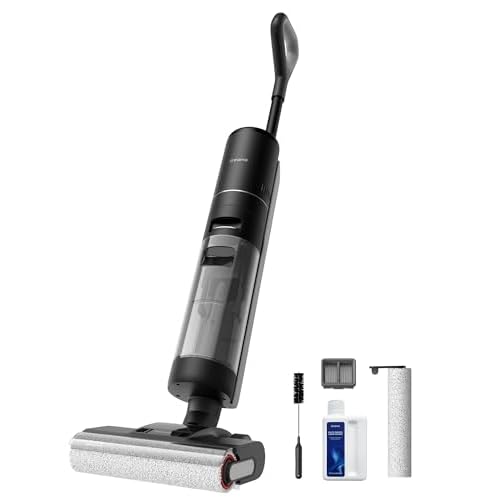
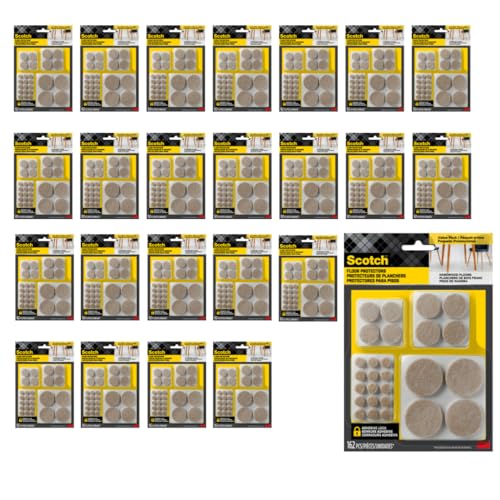
Once the wait is over, lifting rather than dragging any items is crucial to avoid compromising the newly treated surface. Utilize furniture pads or sliders to reduce friction when repositioning larger pieces. Keeping the area ventilated will also aid in maintaining the quality of the surface over time.
Understanding the Drying Time for Finishes
The drying period for various coatings on wooden surfaces varies significantly. Oil-based finishes typically require 24 to 48 hours for a skin to form, allowing for light foot traffic. However, full curing may take up to a month, during which time I avoid placing items on the surface.
Water-based finishes dry faster, with initial drying taking around 2 to 4 hours. Light usage is possible within 24 hours, but long-term protection against scratches and dents develops over a week or two.
I recommend conducting a simple test to check readiness: press your fingertip on an inconspicuous area. If no residue transfers to your finger, it’s a good sign the finish has adequately cured for minimal use. Always consult the manufacturer’s guidelines for specific product details.
Environmental conditions like temperature and humidity significantly impact the drying duration. Higher temperatures and lower humidity levels accelerate the process, while cooler, humid environments prolong it. I suggest monitoring local weather conditions to better understand the curing timeline.
To ensure the best results, I avoid rushing the process by keeping heavy and sharp items off the surface for at least a week. This prevent premature wear on the newly finished area, securing its aesthetic appeal and longevity.
Factors Affecting Drying Time of Hardwood Surfaces
Several elements influence the drying duration of treated wooden surfaces. Temperature plays a significant role; higher heat levels accelerate evaporation, reducing the necessary waiting period. Ideally, the ambient temperature should be maintained between 65°F and 75°F (18°C to 24°C).
Humidity is another critical factor. Lower humidity promotes quicker drying, whereas high moisture content in the air can substantially delay the process. A relative humidity level below 50% is recommended for optimal drying conditions.
Ventilation and Application Thickness
Proper airflow aids in moisture removal. Utilizing fans or ensuring windows are open can enhance drying efficiency. Additionally, the thickness of the applied coating affects drying; thicker layers take longer to cure than thinner applications. Following manufacturer guidelines for application methods can contribute to achieving the desired results.
Type of Finish Used
The kind of finish also impacts the time required for complete drying. Oil-based products generally need more time than water-based options. Understanding the specific characteristics of the finish applied helps in planning the appropriate waiting period prior to reinstating items on the surface.
Recommended Timeframes for Different Finishes
For oil-based finishes, I typically wait 24 to 48 hours after application before resuming normal activities. This allows ample time for the surface to dry sufficiently, minimizing the risk of damage. However, I avoid placing any heavy items for at least 10 days, as full curing can take up to two weeks.
Water-Based Finishes
With water-based options, I recommend waiting around 8 to 12 hours before light foot traffic is acceptable. For heavier items, I usually hold off for about 5 to 7 days to ensure adequate durability. Complete curing of these finishes may take up to 30 days, so patience during this period is key.
Shellac and Lacquer Finishes
For shellac, a waiting period of 30 minutes to an hour is often adequate for light tasks. However, to protect the surface from potential indentations or scratches, I suggest waiting at least a week for heavier use. Lacquer finishes require similar care, with about 24 hours for light use and a week for placing substantial weight.
Signs That Your Floors Are Ready for Furniture
To ensure your surface is adequately prepared for large items, consider observing the following indicators:
Visual Clarity
Check if the finish appears smooth and even across the entire surface. Any noticeable imperfections could indicate that the layer has not fully set.
Adhesion Test
- Conduct a light touch test with your fingertip. If your finger does not leave any residue or indent, the coating is likely ready.
- Press a piece of masking tape onto the surface and pull it away. If no finish comes off, it’s a strong sign of readiness.
Odor Dissipation
The scent of solvents should have significantly decreased. If a strong smell remains, extending the waiting period is advisable.
Hardness Verification
- Gently scratch the surface with a fingernail. If it does not leave a mark, the protective layer is sufficiently hardened.
- Test with a weight; place a small, flat object on the area for a few minutes. If there’s no indent or damage, it is safe to proceed.
Monitoring these signs will help in determining the right moment to reintroduce large items without causing damage.
Best Practices for Moving Furniture onto New Floors
Wait a minimum of 48 hours after the application of finish before transferring any items onto the surface. This timeframe allows the sealant to achieve adequate bonding, minimizing the risk of damage.
Preparation Steps
Before relocating any items, ensure the area is clean and free of debris. Dust and dirt can scratch or scuff the new surface. Utilize furniture sliders or felt pads underneath legs to prevent marks and facilitate smoother movement.
Guidelines for Placement
Position larger pieces first to avoid unnecessary pressure on newly treated areas. Distribute weight evenly and avoid dragging items, as this can cause scratches. Adjust the placement gradually to ensure even spacing and alignment.
| Type of Item | Weight Consideration | Recommended Movement Protocol |
|---|---|---|
| Light Furniture | Under 50 lbs | Can be moved within 48 hours with precautions |
| Medium Furniture | 50-100 lbs | Wait 72 hours and use sliders |
| Heavy Furniture | Over 100 lbs | Minimum 1 week before moving; consider professional assistance |
Monitor for any signs of softness or tackiness before transferring more substantial or bulky items. When in doubt, patience ensures long-lasting beauty and functionality.
Tips for Preventing Damage to Freshly Finished Surfaces
After completing the sealing process, I recommend keeping the area free from all traffic for at least three days, especially if water-based finishes were applied. Avoid placing any items that can scratch the surface, such as metal furniture legs, for at least two weeks.
Use Protective Pads
Always attach felt pads or rubber protectors under the legs of your items. This simple step ensures that moving pieces does not result in unsightly marks or scratches. Additionally, consider using area rugs in high-traffic zones for extra protection.
Avoid Excessive Moisture
Ensure that spills arecleaned up promptly, as prolonged exposure to water can damage the newly treated surface. Utilize a dry or slightly damp cloth for maintenance cleaning. For deeper cleaning, it’s advisable to use products specifically designed for treated wood.
Monitor humidity levels in the space to prevent warping. Maintaining consistent indoor humidity keeps the finish intact and your surfaces looking pristine.
Common Mistakes When Placing Items on Newly Finished Surfaces
Avoid dragging heavy pieces across newly treated surfaces. This can cause scratches and dents, compromising the finish. Use sliders or lift the items instead.
Ignoring Weight Distribution
It’s advisable to distribute the weight of larger items evenly. Concentrating weight in one area may lead to indentations or even structural damage over time.
Improper Cleaning Before Moving
Ensure the surface is free of dust and debris before positioning any item. Small particles can create scratches when moved across the surface. A soft cloth or a gentle vacuum can help maintain cleanliness.
Utilizing rubber or felt pads under each leg of furniture mitigates potential markings and allows for easier shifting when necessary. Regular checks are wise to ensure they remain in good condition.
In summary, being mindful of these common errors can preserve the integrity of freshly treated surfaces and prolong their life. Use caution and care to maintain the beauty and function of your space.
Maintaining Your Hardwood Floors After Furniture Placement
Allow at least two weeks after placing items on newly treated surfaces for optimal maintenance. This ensures the finish cures thoroughly, minimizing the risk of dents or scratches.
To preserve the beauty of surfaces, follow these tips:
- Place felt pads under each item to prevent scratching.
- Avoid dragging heavy objects; lift instead.
- Wipe spills immediately to avoid moisture damage.
- Use a soft broom or vacuum without a beater bar for regular cleaning.
- Apply a recommended hardwood-safe cleaner for deeper cleaning sessions.
Monitor for signs of wear over time. If imperfections arise, address them promptly to maintain an attractive appearance.
Reassess the condition periodically and consider reapplication of protective finishes as needed to keep your investment in top shape.


