
 Caleb Turner

I recommend waiting at least 24 to 48 hours before returning items to the surface. This time frame allows for adequate drying of the adhesive and proper settling of the material, preventing any potential damage.
In specific conditions, such as high humidity, it might be beneficial to extend this period slightly. Checking the manufacturer’s guidelines can provide additional insights into optimal waiting times tailored to the carpeting type and installation method.
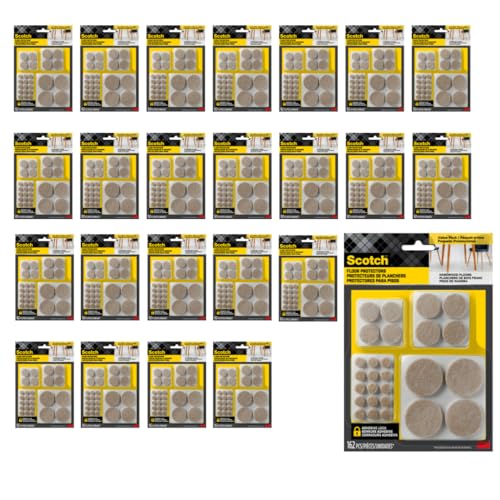
To protect the newly installed surface, use furniture coasters or felt pads. This prevents indentations and scratches while redistributing weight evenly. Careful placement will also help maintain the visual appeal of the layout.
By adhering to these suggestions, I ensure the longevity and flawless appearance of my flooring for years to come.
Recommended Timeframe for Replacing Items
It’s advisable to wait at least 48 hours before returning belongings to the revamped area. This allows adequate time for the adhesive and fibers to settle properly, ensuring longevity and appearance.


Factors to Consider
- Type of Adhesive: Some glues require extended drying time, so check manufacturer guidelines.
- Humidity Levels: Higher moisture can affect drying; consider monitoring conditions.
- Room Temperature: Warmer environments can facilitate quicker curing.
Signs the Area is Ready
- No Strong Odor: A noticeable smell may indicate the need for more drying time.
- Even Floor Feel: Ensure surface is consistent without visible indentations.
- No Stickiness: The surface should not feel tacky when tested lightly.
By adhering to these recommendations, the transition from installation to usage will go smoothly, ensuring optimal performance of your flooring upgrades.
Understanding Carpet Installation Process
I recommend waiting at least 24 hours after completion of the installation. This allows the adhesive used during the installation to set properly, minimizing the risk of shifting or damage.
It’s crucial to ensure the surface beneath is well-prepared and free from dust. Any debris can lead to uneven surfaces and a poor finish. I suggest vacuuming the area thoroughly before laying down the underlay.
During installation, the carpet is stretched and aligned correctly. Proper stretching avoids wrinkles, which could worsen with immediate weight on the surface. I found that waiting enhances overall results.
After laying, I advise avoiding high traffic for at least 48 hours. This helps the fibers ‘settle’ into place, retaining their intended shape and texture.
When moving large pieces, use sliding pads to minimize friction and avoid damage. Keeping heavy items off until the carpet fully adapts ensures longevity.
Each type of carpet may have different requirements, so checking with the installer and following their guidance is a good practice for optimal results.
Factors Affecting Drying Time of New Carpet
Optimal conditions for drying involve maintaining a temperature between 70°F and 80°F (21°C to 27°C) with low humidity levels. Excess moisture in the air can significantly slow down the drying process.
Air circulation plays a vital role; using fans or opening windows ensures adequate airflow, which can expedite the evaporation of moisture from the surface. It is recommended to keep all windows and doors open during the drying phase, weather permitting.
The thickness and material of the underlay also influence drying times. Thicker padding may retain moisture longer, prolonging the period before reinstallation of items.
Application of adhesives can impact drying duration as well. Types of glue and application methods dictate how quickly they set and dry. Always refer to the manufacturer’s guidelines for specific recommendations.
In cases where installation was performed in a damp environment or with wet tools, additional time may be required to ensure full drying. Assessing the situation regularly will help gauge readiness for placement of belongings.
Finally, the size of the area being addressed also matters; larger spaces naturally take more time to dry due to increased humidity and moisture absorption potential. Proper planning and observation are key to managing reinstallation effectively.
Recommended Waiting Time Before Replacing Furniture
I suggest allowing at least 24 to 48 hours before reintroducing items to the area where the flooring has been installed. This timeframe enables adhesive to cure fully, ensuring the flooring remains securely in place.
If the installation involves moisture-prone materials, waiting up to 72 hours can prevent potential damage such as warping or bubbling.
Temperature and humidity in the environment also play a role. In lower humidity and warmer conditions, I might consider a shorter waiting period, while substantial moisture might necessitate additional time. Always reference the manufacturer’s guidelines for specific product recommendations.
Avoid placing heavy items immediately, as they can compress the fibers and affect the appearance. Using felt pads under heavier pieces can help distribute weight and protect the surface.
In certain cases, allowing adequate ventilation speeds up drying, promoting optimal conditions for placement. Opening windows or utilizing fans can enhance airflow and decrease wait time.
Regular checks on the installed surface will guide the decision on when to move items in, ensuring the longevity and aesthetic appeal of the flooring.
Signs Carpet is Ready for Furniture
Check for firmness by pressing down on the surface with your hand. If it feels resilient and springs back quickly, it’s likely time to return items.
Examine for odor. A strong, chemical smell may indicate that materials haven’t fully dried. If the air is fresh, it’s a positive sign.
Look for moisture. Use a towel to check for any dampness at the seams or edges. If it’s dry to the touch, it’s safe to proceed with reintroduction.
Evaluate the installation components. If the adhesive shows it has set and hardened, and there’s no visible excess, chances are it’s ready.
Observe any visible shifting in fibers. A properly settled surface should hold its shape without shifting or moving significantly under weight.
Feel the temperature of the ground underneath. If it feels cooler or damp, it might indicate that things aren’t quite at the desired state yet.
Consult with professionals, as they may offer insights based on the specific materials used and conditions during the installation.
Trust your instincts; if it feels right and checks all the boxes, then it’s generally safe to place items back in the area.
Impact of Humidity and Temperature on Drying
Humidity levels between 30% and 50% promote faster moisture evaporation from flooring materials. If the environment is too humid, drying takes longer, which can delay the area’s readiness for placement of items. Use a dehumidifier if humidity exceeds 60% for optimal drying conditions.
Temperature plays a significant role too. Ideal conditions range from 70°F to 80°F (21°C to 27°C). Below 70°F, drying slows considerably, while excessive heat above 80°F may lead to material warping. Maintain a balanced climate in the room to ensure proper installation outcomes.
| Condition | Impact on Drying Time |
|---|---|
| Low Humidity (30%-50%) | Accelerated drying process |
| High Humidity (>60%) | Prolonged drying time |
| Temperature < 70°F | Slower drying speed |
| Temperature > 80°F | Potential material warping |
Monitoring both humidity and temperature during the drying phase ensures optimal conditions for effective results. Using fans and ensuring good ventilation can also expedite the drying process. Once conditions stabilize, I can then safely reintroduce my belongings without compromising the integrity of the materials involved.
How to Safely Move Items onto Freshly Installed Flooring
Wait at least 48 hours before relocating heavy objects to ensure proper settling and adhesion of materials. This time frame may vary based on environmental conditions and specific installation techniques.
Preparation Steps
Before reintroducing any items, clear the area of debris and dust. Use a vacuum to eliminate any particles or debris that may have accumulated during the installation phase. Inspect the surfaces to ensure there are no imperfections or leftover adhesive which may interfere with settling.
Technique for Moving Items
When relocating heavy pieces, utilize furniture sliders or lifting straps to prevent damage to the soft surface. Avoid dragging items; this may cause tears or indentations. Place furniture gently and gradually onto the padded flooring, ensuring all legs or base areas are well-supported.
Consider distributing weight evenly across the surface. For larger pieces, enlist assistance from others to minimize stress on the material. If possible, allow lighter accessories like lamps or decorative items to return first, while reserving heavier furniture for later placement following an extended drying period.
Regularly assess the surface for any signs of compression or indentation as you add back your possessions. Adjust as necessary to maintain the integrity of your renewed flooring.
Using Furniture Pads to Protect New Carpet
Employing furniture pads is crucial for safeguarding freshly installed flooring surfaces. These protective layers serve as a barrier between heavy items and delicate fibers, minimizing the risk of indentations and wear.
Choose pads crafted from felt or rubber, as they distribute weight evenly and prevent slipping. Ensure the pads are adequately sized for the feet of your belongings to maximize surface area contact.
Here’s a brief overview of recommended types:
| Pad Type | Material | Best Use |
|---|---|---|
| Felt Pads | Felt | Soft surfaces and light furniture |
| Rubber Pads | Rubber | Heavy items and high traffic areas |
| Self-Adhesive Pads | Combination | Convenient for quick application |
Regularly check and replace pads as needed to ensure ongoing protection. By being proactive in this regard, I can extend the lifespan of my flooring while maintaining a pristine appearance.
In summary, utilizing the right padding effectively preserves integrity and enhances aesthetic value, making it a simple yet impactful measure to take following installation.
Common Mistakes When Replacing Furniture
Not measuring the dimensions of the area is a prevalent issue. Ensure to take accurate measurements of both the space and the items before repositioning. This prevents awkward layouts and cramped spaces.
Ignoring the weight of items can damage soft surfaces. Heavy pieces require careful planning to avoid indentation or permanent marks. Use lift techniques or tools for easier handling.
Using Incorrect Protection Methods
Some people overlook the necessity of protective barriers. Using furniture pads is imperative to avoid scratches and damage. Utilize felt pads or plastic sliders to keep surfaces safe.
- Opt for high-quality pads suitable for your flooring type.
- Regularly check pads for wear and replace them as needed.
Rushing the Process
Many are eager to rearrange soon after installation. This haste can lead to mistakes like shifting furniture prematurely, which can cause stains or compressed fibers. Patience pays off.
- Adhere to recommended waiting periods.
- Monitor drying conditions before any action.
Neglecting to assess the environment can also cause issues. Both humidity and temperature impact drying and settling. Be aware of your surroundings and adjust accordingly.
Alternative Options for Temporary Furniture Solutions
For those working through the waiting period before returning belongings, various strategies can ease the transition. Here are practical temporary solutions to consider:
1. Utilize Spare Rooms
- If available, store items in a guest bedroom or home office.
- Rotate belongings between rooms to minimize congestion.
2. Rent Storage Units
- Short-term rentals provide space for all items without cluttering other areas.
- Look for local facilities offering discounts for temporary storage.
3. Mobile Shelving Solutions
- Invest in portable shelving units to organize essential items in an accessible manner.
- They can be easily rearranged or disassembled as needed.
4. Use Outdoor Spaces
- For manageable weather, consider placing non-sensitive items outside, protected from the elements.
- Ensure they are securely covered to avoid exposure to moisture.
5. Minimalist Approach
- Reduce the number of items you bring into the space temporarily.
- Focus on essentials for daily living while keeping the rest in a different location.
Evaluating these options can greatly ease the transition and facilitate a smooth process during this period. Implementing these alternative solutions maintains an organized environment while waiting for full access to your home again.


