
 Caleb Turner
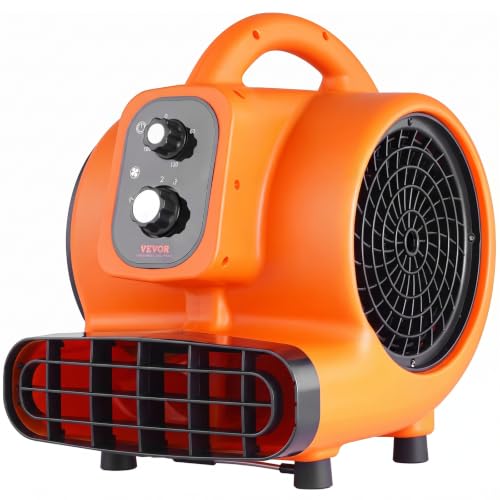
The optimal duration for allowing cleaned surfaces to dry completely ranges from 4 to 6 hours. This time ensures effective moisture evaporation, minimizing the risk of mold and unpleasant odors. I recommend checking the humidity levels in the room, as higher humidity may extend the drying time significantly.
Additionally, it’s wise to monitor the surface for any residual dampness before replacing belongings. A simple fingertip test can help determine if surfaces are adequately dry. If they feel wet, I suggest waiting longer to ensure thorough drying.
For valuable pieces or heavier items, consider using a barrier like plastic or a blanket to prevent direct contact with the clean surface until it’s confirmed dry. This practice helps maintain the freshness of the cleaning process while safeguarding your furnishings.
Recommended Timeframe for Replacing Items on Cleaned Surface
I advise waiting a minimum of 24 hours before returning items to a freshly cleaned area. This duration allows ample time for moisture to evaporate, ensuring that no lingering dampness can damage the items or the cleaning results.
If the climate is particularly humid, extending this waiting period to 48 hours may be beneficial. In drier conditions, the time can be reduced, but caution is essential to prevent potential issues.


To test readiness, I suggest walking on the area. If it feels damp, additional drying time is needed. Utilizing fans or dehumidifiers can accelerate the process, making the space ready for use sooner.
For larger or heavier objects, consider placing them on protective pads to avoid direct contact with the surface while it continues to dry.
Understanding Carpet Drying Times After Shampooing
The drying period for freshly cleaned flooring typically ranges from 4 to 24 hours, depending on several factors such as humidity, air circulation, and the type of cleaning solution used. To expedite the process, increase airflow by using fans or opening windows. In warmer, drier climates, you may notice significant moisture loss within a few hours, while in damp environments, it might take longer.
Factors Influencing Drying Time
Humidity levels play a critical role. Higher moisture in the air slows evaporation, extending the time needed for complete drying. Air circulation is also vital; stagnant air traps dampness, so utilizing a fan can enhance airflow. Additionally, the thickness of the fibers influences absorption – thicker carpets absorb more moisture and require more time to dry.
Tips for Assessing Dryness
To ensure the surface is adequately dry before returning items to the area, conduct a simple moisture test by pressing a dry hand on the surface. If it feels damp, allow additional drying time. Also, consider the texture; if the fibers feel cool or wet to the touch, they need extra drying. Waiting for at least 6 to 8 hours is a prudent approach for most situations to prevent damage to items placed back prematurely.
Factors Affecting Drying Duration
The moisture level in the fibers influences how fast they dry. Thicker materials retain more water than thinner ones, leading to extended drying times. When I use a high-quality extractor, it helps to remove a significant amount of moisture, speeding up the whole process.
Environmental Conditions
Temperature and humidity are crucial elements. Higher temperatures can enhance evaporation rates, while high humidity levels may hinder it. In warmer months, I can expect faster drying results if I keep windows open for airflow.
Airflow and Ventilation
Proper circulation significantly impacts drying time. Using fans or dehumidifiers in the room helps to dissipate moisture quicker. I often position fans strategically to ensure even airflow across the area, expediting the entire process.
Signs Your Carpet is Dry Enough for Furniture
Before replacing items, I assess the moisture of the rug. A solid indicator is the cooler temperature of the fibers; if they feel notably cooler than the surrounding environment, they may still harbor moisture. Testing with the fingertips is effective–if the surface feels damp to the touch, it’s best to wait longer.
Visual Cues to Consider
Inspect for any visible sheen or wetness on the surface. If the fibers appear glossy or discolored, it’s wise to refrain from placing heavy objects on them until the color returns to its usual state. A well-dried carpet also has a consistent texture and no clumping of the fibers.
Time and Sensory Checks
Utilize the senses to determine readiness. A dry odor is a plus; if damp scents linger, moisture is still present. Sounds can also inform–if I hear a squishy noise while stepping, it’s not yet time to replace items. Combining my own observations with these indicators ensures I don’t rush the process.
Recommended Timeframes for Different Carpet Types
For synthetic fibers like nylon and polyester, I advise reintroducing items in about 2 to 4 hours. These materials typically dry quickly, allowing for a faster return to normalcy.
Wool or natural fiber carpets, on the other hand, may take longer. Expect to wait between 6 to 12 hours due to their dense construction and moisture retention capabilities.
If the carpet features a high pile, it often necessitates additional drying time. In such cases, I recommend waiting at least 8 to 14 hours before placing items back.
Low pile carpets tend to dry faster, so 2 to 6 hours is usually sufficient for them. The reduced thickness facilitates moisture evaporation.
Do not forget to consider the humidity levels in your space. Higher humidity can extend the drying period, emphasizing the need for proper ventilation during restoration.
Always check the specific manufacturer’s recommendations for your flooring type, as they may provide tailored guidelines to ensure optimal care.
Using fans or dehumidifiers can expedite the process, particularly for materials that retain moisture longer, ensuring a timely return of your belongings.
Methods to Speed Up Carpet Drying Process
Utilizing fans is an immediate way to enhance air circulation, promoting quicker moisture evaporation. Aim fan placement towards the wet areas to direct airflow effectively.
Dehumidifiers significantly reduce humidity levels, optimizing the drying environment. These devices are particularly beneficial in spaces with poor ventilation.
Additional Techniques
- Open windows and doors for natural ventilation; cross-breezes can aid in drying.
- Increase the room temperature using heaters, as warmer air retains more moisture.
- Use absorbent towels or rags to blot excess moisture before appliance use.
Advanced Solutions
- Invest in a carpet dryer, specifically designed to expedite drying.
- Consider professional cleaning services that offer high-powered extraction methods.
By implementing these strategies, I can ensure a faster drying process, making the space ready for use without unnecessary delay.
Best Practices for Moving Furniture Back onto Shampooed Carpets
To ensure the integrity of freshly cleaned textiles, wait a minimum of 24 hours before returning items to the surface. This allows for thorough moisture evaporation, preventing mold and odor issues.
Surface Protection
Utilize coasters or protectors under heavy items to prevent indents. These can be made from plastic or felt and help distribute weight evenly, preserving the texture.
Careful Placement
When relocating items, avoid sliding to eliminate friction and damage. Lift to reposition and consider using sliders or blankets beneath larger pieces for ease.
| Item Type | Recommended Time Before Replacement |
|---|---|
| Light Furniture | 24 hours |
| Medium Weight Items | 48 hours |
| Heavy Furniture | 72 hours |
Regularly check the fibers by gently pressing down to assess moisture levels. If dampness persists, extend the waiting period.


