Caleb Turner
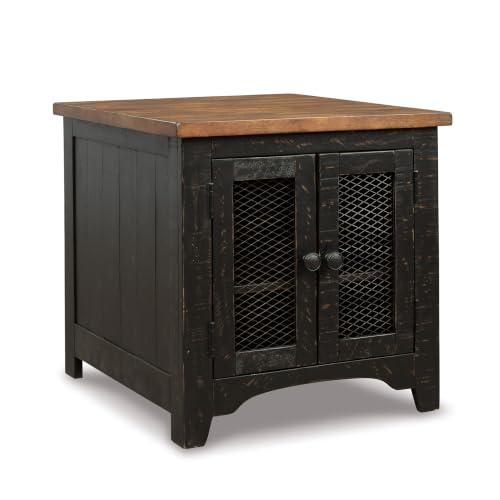
Choosing pieces crafted from this type of softwood is a decision I frequently advocate for due to their excellent balance between aesthetics and durability. The light color and distinctive grain patterns create a warm ambiance, making it a fantastic addition to various interior styles. Many consumers appreciate the affordability, allowing for well-designed pieces without breaking the bank.
Beyond appearance, my experience has shown that items made from this material tend to be surprisingly resilient. With proper care, they can withstand daily wear and tear, which is a significant advantage for busy households. Additionally, the option for finishes and stains lets you tailor the look to fit your personal taste while enhancing the natural beauty.
Those who value sustainability should find comfort in its renewability. This source is often harvested responsibly, making it an eco-friendlier choice compared to other materials. It’s a practical selection for the environmentally conscious consumer looking to furnish their home stylishly and responsibly.
In summary, items constructed from this soft timber are a wise investment for anyone seeking stylish, durable, and sustainable solutions. Choosing the right care regime ensures longevity, making these selections not only appealing but practical for everyday use.
Quality Assessment of Pine-Based Creations
I recommend considering the natural attributes of pine that contribute to its appeal in crafting items. This type of material is renowned for being lightweight, making it easy to move and rearrange pieces around your living space.


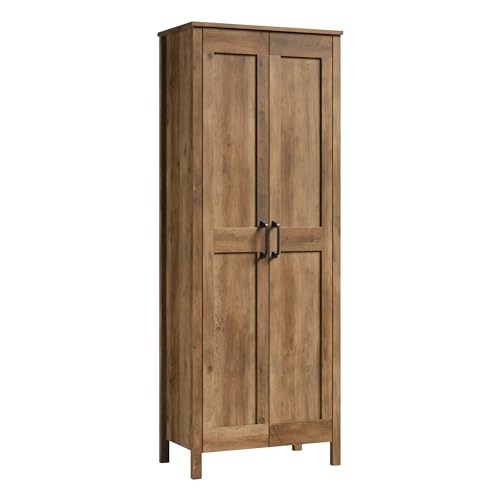
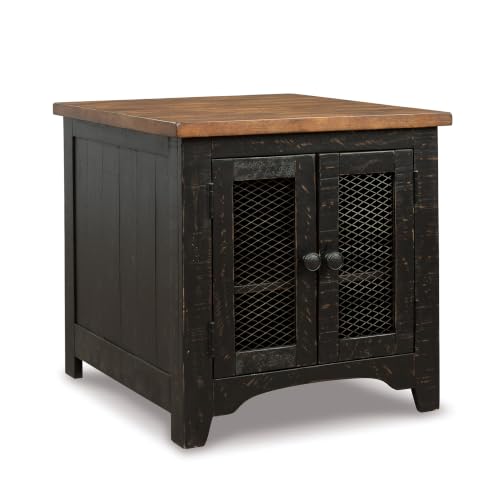
One significant advantage of using this timber is its affordability compared to alternative materials. The cost efficiency does not compromise its durability; with proper care, creations can withstand daily use and maintain their aesthetic charm for years.
Maintenance requirements are minimal. Regular dusting and periodic application of protective finishes can greatly enhance longevity. Here are essential maintenance tips:
- Wipe spills immediately to prevent blemishing.
- Avoid exposing to excessive moisture to minimize warping.
- Reapply finishes annually for enhanced protection.
In terms of aesthetics, the natural grain patterns provide a unique character. The ability to stain or paint allows for customization, ensuring that each piece can match personal style preferences. Additionally, the warm hues often evoke a cozy atmosphere.
When selecting items from this material, it’s advisable to inspect for knots and imperfections, as these characteristics can enhance or detract from the overall appeal depending on individual taste.
Finally, consider the environmental aspect; this variety is sourced from sustainable forests, making it a more eco-friendly option compared to tropical hardwoods. By choosing these creations, one supports responsible forestry practices while acquiring stylish and functional pieces.
Understanding the Properties of Pine Wood
The lightweight nature of this species makes it easy to handle and manipulate, which is advantageous for both crafting and moving items. Its natural softness contributes to ease of working with tools, ensuring that I can achieve intricate details with less effort.
This variety displays a fine grain pattern, providing an appealing visual texture. The light color can range from creamy white to pale yellow, allowing for versatile finishing options. When I apply stains or paints, the surface takes them well, enabling me to customize the appearance of my creations effectively.
With a moderate density, this material offers decent strength while remaining flexible. I’ve noticed that it withstands impacts reasonably well, although it’s essential to consider the risk of dents with heavy use. In high-traffic areas, careful treatments can help enhance durability and longevity.
This species has a natural resistance to warping and splitting, which I appreciate in varying humidity conditions. Regular maintenance, such as sealing or varnishing, can improve its resilience to moisture even further. For pieces used in climate-variable areas, this property is especially significant.
It’s worth mentioning that this type of timber typically has a lower cost compared to other hardwoods, making it an economical choice when crafting items. This affordability, combined with its attractive appearance and ease of use, has made it a popular selection among artisans and DIY enthusiasts.
Lastly, the eco-friendly aspects of this natural resource cannot be overlooked. Sourced sustainably, using this material contributes to greener practices, and I often prioritize it for projects where environmental impact is a concern.
The Durability of Pine Furniture Over Time
I recommend considering the natural resilience of the material in question. When properly cared for, items crafted from this species can withstand the rigors of daily use. Unlike other alternatives, it has a lower density, which allows for easier handling and transportation, yet it still maintains a surprising strength that holds up over years of usage.
Maintenance Practices
<p routine upkeep is paramount. Regular cleaning with a soft cloth removes dust and prevents buildup that can lead to scratches. Applying a quality wood polish every few months enhances the protective layer, diminishing the chances of wear and tear. Avoid exposing these pieces to excessive moisture or heat, as these elements can compromise the integrity of the structure over time.
Aging Gracefully
This type of material possesses unique characteristics that become more appealing with age. Its natural tendency to develop a patina enhances aesthetic appeal, making it a favorite for rustic and traditional designs. Dents and scratches, rather than diminishing its charm, can add character, showcasing the history of the piece. Thus, over an extended period, the furniture does not simply endure; it evolves into an attractive centerpiece that tells a story.
Maintenance Tips for Pine Furniture
Regular dusting with a soft, dry cloth helps prevent dirt buildup that can scratch the surface. I use microfiber cloths for optimal results.
For deeper cleaning, a mixture of mild soap and water works effectively. I dampen a cloth with the solution and wipe down surfaces, followed by a dry cloth to prevent moisture damage.
Applying a protective finish, like wax or furniture polish, every six months enhances the natural appearance and creates a barrier against spills and stains.
Avoid placing hot items directly on surfaces. Heat can cause warping or discoloration. Using coasters or heat-resistant mats is a simple way to protect them.
Direct sunlight can fade the color over time. I keep my pieces away from intense light and use curtains or blinds to mitigate exposure.
If scratches occur, I find that using a wood filler or marker matching the finish works wonders to restore the appearance.
For moving pieces, lifting them rather than dragging avoids structural damage. I ensure to hold securely to prevent tipping.
Regularly check joints and connections. Tightening screws or bolts keeps everything secure and prevents wobbling.
When storing items, use protective pads or felt under heavy objects to prevent indentations or pressure marks.
Comparing Pine to Other Types of Timber
When I assess different species for crafting items, I often compare specific qualities and usability. The characteristics of various timbers influence not only appearance but also longevity and maintenance. Here’s a closer look at how pine measures up against other popular choices like oak, maple, and cherry.
Properties Overview
| Type | Hardness (Janka Rating) | Weight (Average per cubic foot) | Cost (Average per board foot) |
|---|---|---|---|
| Pine | Softwood (380) | 22 lbs | $3-$5 |
| Oak | Hardwood (1290) | 45 lbs | $5-$8 |
| Maple | Hardwood (1450) | 43 lbs | $5-$10 |
| Cherry | Hardwood (950) | 39 lbs | $6-$12 |
Pine belongs to the softwood category, making it lighter and more easily workable. This aspect allows for efficient crafting. In contrast, oak and maple are denser, offering greater durability and resistance to wear but require more effort to shape and finish.
Cost Efficiency
For those on a budget, pine offers an attractive price point. It allows for high-quality construction without substantial investment. On the other hand, hardwood options such as oak and maple come at a higher cost due to their scarcity and demand. Choosing the right material often boils down to balancing budget with intended use and aesthetic preference.
In use cases where impact resistance and heavy-duty performance are critical, oak or maple would shine. However, for casual settings, lightweight nature, and ease of finishing, the softer option becomes favorable. The choice largely depends on the specific needs and style you envision for your projects.
Cost-Effectiveness of Pine Wood Furniture
Choosing this type of timber for your home can greatly enhance budget management. Typically, it is more affordable compared to other kinds of timber, making it an attractive option for individuals looking to style their spaces without overspending. Prices usually range from $2 to $5 per board foot, depending on quality and sourcing.
Long-Term Value
When considering longevity versus initial outlay, this material significantly pulls ahead. With proper care, it can last for many years, minimizing the need for frequent replacements or repairs. Investing in sturdy craftsmanship combined with this material ensures that you save money over time.
Customization and Versatility
The adaptability of this soft material allows for easy modification and personal touches, meaning one can choose to repaint, stain, or finish pieces according to trends or personal preferences without incurring high costs. This flexibility reduces the potential expense associated with future decor changes.
For those prioritizing sustainability along with cost, sourcing locally can further decrease transportation costs and environmental impact. In conclusion, selecting this timber is often a financially sound decision, blending durability with a lower price point.
Design Versatility of Pine in Interiors
I recommend considering this material for a variety of design settings due to its adaptability and aesthetic appeal. This timber seamlessly integrates into both traditional and contemporary environments.
Styles and Applications
Here are some styles that benefit from this timber’s characteristics:
- Rustic Charm: Ideal for creating a cozy, warm atmosphere in cabins and country homes.
- Modern Minimalism: Works well with clean lines and neutral palettes, making it perfect for sleek, understated spaces.
- Scandinavian Inspiration: Excellent choice for light-colored, airy designs, enhancing brightness in interiors.
- Industrial Aesthetics: Complements metal and brick elements, adding a natural touch to loft-style settings.
Color and Finish Options
This timber can be easily stained or painted, providing flexibility in color selection:
- Light finishes enhance its natural grain, perfect for a fresh, simplistic look.
- Darker stains emphasize a more sophisticated, rich appearance, suitable for formal spaces.
- Painting allows for endless customization, fitting any personal theme or decor choice.
I highly recommend utilizing this material for its functional and stylistic flexibility, making it a top choice for diverse interior designs.
Environmental Impact of Using Pine Wood
I recommend sourcing materials from sustainably managed forests. Responsible logging practices help maintain biodiversity and ecosystem health, reducing the environmental footprint of timber production.
Emissions from manufacturing processes can be mitigated through local sourcing. Utilizing nearby suppliers decreases transportation distances, leading to lower carbon emissions. Opting for local artisans can also support the community economy.
Reducing waste is paramount. Many producers now create items from reclaimed or recycled timber, minimizing the need for new tree harvesting. This approach not only preserves forest habitats but also adds unique character to pieces.
Lifecycle assessments show that softwood tends to require less energy for production compared to hardwood alternatives. This aspect can lead to a smaller overall environmental impact during the lifecycle of the product.
End-of-life considerations are crucial as well. Recyclability and biodegradability of materials used are factors to weigh. Choosing items that can decompose naturally or be reused contributes positively to waste reduction efforts.
Regulations and certifications can guide responsible purchases. Look for labels like FSC (Forest Stewardship Council) or PEFC (Programme for the Endorsement of Forest Certification) to ensure adherence to high environmental standards.
Incorporating conscious design choices, like minimalistic styles, can lead to less material usage and, consequently, a lighter ecological footprint.
Common Issues with Pine Wood Furniture
One significant concern I’ve encountered is susceptibility to dents and scratches. The softness of this timber means it can be easily marked by everyday use or heavy objects. To mitigate this, I recommend placing protective pads under items that may cause damage.
Moisture Sensitivity
Another factor is moisture absorption, which can lead to warping or cracking. I’ve found that maintaining consistent humidity levels is essential. Using a dehumidifier in humid environments can help preserve the integrity of the material.
Color Changes Over Time
Color variations are common, especially when exposed to sunlight. I believe applying a trustworthy finish or using UV-protective coatings can significantly reduce fading, retaining the piece’s original appearance longer.
Lastly, I’ve noticed issues with fungal growth in damp conditions. Regular cleaning with mild solutions can help prevent this, ensuring longevity for my items. These proactive steps can help minimize problems associated with this popular choice for interior decor.
Choosing Quality Furniture Made from Pine
Inspect the construction for robust joinery techniques like mortise and tenon. Avoid pieces relying solely on staples or glue joints, as these can compromise stability.
Evaluate the Finish
A high-quality finish not only enhances the look but also protects the surface. Check for an even application without drips or rough patches. A dense coat indicates better durability against scratches and stains.
Assess the Grain and Color
Look for a consistent grain pattern across surfaces. Irregularities may suggest inferior processing. The color should ideally match the description; vibrant hues often indicate better treatment and curing processes.
Consider your intended use; heavier, thicker pieces are better suited for high-traffic areas, while lighter options are appropriate for decorative purposes or less frequented spaces. Always request information about the sourcing of the timber as responsible harvesting practices benefit long-term environmental sustainability.
Check for certifications or labels indicating compliance with safety and environmental standards, ensuring the product is free from harmful chemicals. Finally, consider customer reviews and testimonials to gauge long-term satisfaction and reliability before making your investment.
FAQ:
What are the main advantages of pine wood furniture?
Pine wood furniture offers several notable advantages. One of the primary benefits is its affordability, especially when compared to hardwoods like oak or maple. Pine is also lightweight, making it easy to move and rearrange. Additionally, pine wood has a unique grain pattern that adds warmth and character to any setting. It is relatively easy to work with, allowing for various styles and finishes. Lastly, pine is a sustainable option, as pine trees grow quickly and are often harvested responsibly.
Is pine wood furniture durable for everyday use?
Yes, pine wood furniture can be durable for everyday use, but it has some limitations. Pine is softer than many hardwoods, which makes it more susceptible to dents and scratches. With proper care, such as regular cleaning and the application of protective finishes, pine furniture can last for many years. Choosing pieces that have been properly treated or reinforced can also enhance their durability and extend their lifespan.
How should I care for pine wood furniture to maintain its appearance?
Caring for pine wood furniture involves a few simple steps. Regular dusting with a soft, dry cloth is important to prevent dirt buildup. If necessary, you can use a damp cloth for deeper cleaning, but avoid soaking the wood. It’s advisable to apply a protective finish, such as wax or oil, every few months to maintain luster and protect against stains. Also, placing felt pads under objects to avoid scratches and avoiding direct sunlight can help preserve the wood’s natural color and finish.
Can pine wood furniture be painted or stained effectively?
Yes, pine wood furniture can be easily painted or stained. The wood’s texture allows paint to adhere well, and it can take stains that enhance the wood’s natural grain. For the best results, it’s recommended to sand the surface before applying paint or stain to create a smooth base. Sealing the finish afterward can offer added protection and enhance durability. Many people enjoy customizing pine furniture with various colors and stains to match their personal style.
Are there any disadvantages to using pine wood furniture?
While pine wood furniture has many benefits, there are also some disadvantages to consider. As mentioned, it is softer and more prone to damage than hardwoods, which can be a concern for families with children or pets. Pine can also be susceptible to warping if exposed to high humidity or temperature fluctuations. Additionally, since pine has a lighter color and a distinct grain, some may find it less formal or versatile compared to darker hardwoods. It’s important to weigh these factors based on your specific needs and lifestyle.
Is pine wood furniture durable enough for daily use?
Pine wood furniture is generally considered quite durable and suitable for everyday use. While pine is a softer wood compared to hardwoods like oak or maple, it offers a good balance between strength and weight. Pine can withstand typical wear and tear associated with daily use, but it may be more susceptible to dents and scratches. To enhance its durability, many manufacturers apply finishes or coatings that protect the wood from damage and stains. Regular maintenance, such as cleaning and applying protective oils, can also help extend the life of pine furniture.
What are the advantages of choosing pine wood furniture over other types of wood?
Pine wood furniture has several distinct advantages. First, it is typically more affordable than hardwood options, making it accessible for various budgets. Second, pine has a natural warmth and charm that adds a cozy aesthetic to any room. Its light color and fine grain can easily complement various interior design styles. Additionally, pine is a sustainable choice, as it grows relatively quickly compared to many hardwood trees. This makes it an eco-friendly option for consumers who are conscious of the environment. Finally, pine furniture is often easier to work with when it comes to customization and DIY projects due to its softer nature. You can easily sand, paint, or stain it to achieve your desired look.