
 Caleb Turner

Provide an attractive scratching post in a prominent area. It should be sturdy and tall enough for your little one to stretch fully. Choosing a post made from materials that mimic natural surfaces, such as sisal or untreated wood, will catch their attention better than anything made of carpeting.
Employ positive reinforcement by rewarding desirable behavior. Each time the little one uses the scratching post instead of your belongings, offer a treat or verbal praise. This creates a connection between the scratching post and a sense of reward, reinforcing the behavior.
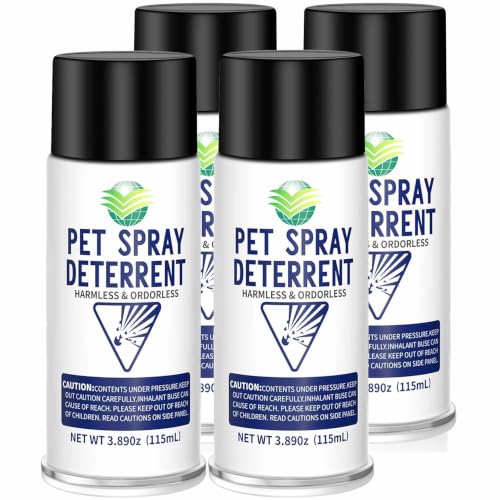
Utilize deterrent sprays on the surfaces you want to protect. These products create an unpleasant scent or feel that discourages little claws from engaging with those areas. It’s advisable to test any spray in a small, inconspicuous spot first to ensure it won’t damage the material.
Consistently redirect attention. When a playful moment leads to focusing on the wrong surface, gently redirect to the scratching post. A quick distraction, such as a toy or a flick of a wand, can help change their focus effectively.
Establish a routine that incorporates playtime and interactive sessions. Engaging activity not only helps burn off excess energy but also provides opportunities to reinforce the use of appropriate scratching surfaces.


Understanding the Natural Behavior of Kittens
The instinctual drive to claw is rooted in a cat’s natural behavior. Shredding helps to keep their claws sharp and healthy, while also enabling them to mark territory through scent glands in their paws. This activity serves as both exercise and a way to relieve stress.
Environmental Enrichment
Providing various forms of stimulation is key. Interactive toys, scratching posts, and climbing structures engage these young felines and allow them to express their natural instincts. A designated area for such activities can encourage appropriate behaviors and distract from unwanted choices.
Redirecting Attention
When noticing an urge to claw on furniture, immediate redirection is vital. Gently guiding attention towards a preferred object can reinforce desired actions. Rewards, whether in the form of treats or affection, can strengthen this positive association.
Understanding this behavior can transform potential conflicts into opportunities for bonding and creating a harmonious household. By offering alternatives, all parties involved can cohabitate peacefully.
Choosing the Right Scratching Post for Your Kitten
Select a scratching post that matches the feline’s preferences. Stability is key; a robust base prevents tipping during use. Consider height: taller options accommodate natural climbing instincts, allowing stretching and full-body engagement. Material matters; sisal and cardboard are popular for their texture and durability, attracting playful behavior.
Types of Scratching Posts
| Type | Material | Height | Best For |
|---|---|---|---|
| Vertical | Sisal Carpet |
30-40 inches | Climbing and stretching |
| Horizontal | Cardboard Sisal |
Low | Low-profile engagement |
| Multi-level | Wood Carpet |
Varying | Active playtime and exploration |
Placement Tips
Position the post near favorite lounging spots or areas prone to mischief. Encourage use by placing toys nearby or lightly rubbing catnip on the surface. Monitoring interest and making adjustments will enhance the likelihood of adoption.
Applying Positive Reinforcement Techniques
Employing rewards for desirable actions is a powerful approach. Whenever a young feline engages with an appropriate object, immediately offer a treat and verbal praise. This association between the action and positive outcome enhances the likelihood of repeating the behavior.
Utilize clicker training as an effective tool. Clickers produce a distinct sound that establishes clear communication. Upon observing preferred behavior, quickly press the clicker followed by a treat. Consistency is key; repeating this process strengthens understanding.
Incorporate interactive toys to redirect attention. Feather wands or laser pointers serve as engaging distractions. Direct play towards designated areas can help establish a habit of playfully using approved items instead of inappropriate surfaces.
Establish a routine. Regular intervals of playtime and reward sessions foster a sense of predictability. A structured environment cultivates security, making it easier for a young cat to form habits around designated items.
Gradually reduce rewards over time. Once a consistent behavior is established, transition to intermittent rewards to maintain interest. This method keeps engagement levels high while encouraging independence.
Notice the importance of patience. Positive reinforcement involves recognizing progress, regardless of size. Celebrate every step towards the desired outcome, building confidence and reinforcing the bond between human and pet.
Identifying Furniture That Attracts Scratching
Observing which items are favored for clawing can guide decisions on prevention. Soft fabrics like upholstery are particularly enticing due to their texture, providing a satisfying surface for digging. Leather, while initially resistant, can also become a target if the feline senses it loosening or degrading.
Additionally, furniture with lower heights can be appealing. Items such as coffee tables or lower sofas allow easy access, making them prime candidates for enthusiastic pawing. Raised surfaces like dressers may attract less attention, as they require more effort to reach.
Materials Matter
Certain wood types, especially lighter or softer varieties, are often preferred. Natural finishes without protective coatings might draw more interest than varnished or treated surfaces. Observing trends in behavior can help identify which pieces are more vulnerable.
Placement and Environment
Proximity to favorite resting spots can increase the likelihood of areas being used for scratching. Furniture positioned near play zones or sunny spots will be at greater risk. Take note of the layout and consider adjustments to minimize temptation.
These insights equip caretakers with the knowledge needed to protect valuable belongings while redirecting instincts toward appropriate outlets. Focusing on clear observations can foster a harmonious environment for both human and feline residents.
Using Deterrents to Protect Your Furniture
Implementing effective deterrents is essential for preserving your living space. One popular method is utilizing citrus-scented sprays. These products create an unpleasant aroma for many felines, making them less inclined to approach your beloved decor. Apply these sprays regularly to reinforce boundaries.
Taping Surfaces
Covering areas with double-sided tape can be a straightforward solution. The sticky sensation on their paws often discourages repeat visits. Place strips on corners or flat surfaces where unwanted activity has been observed. The inconvenience of the texture can teach them to seek alternate scratching opportunities.
Commercial Deterrents
Many pet stores offer various commercial deterrent products designed specifically for keeping pets away from specific areas. Look for sprays or mats that feature natural ingredients to dissuade your companions. These can be applied directly to surfaces, providing a barrier against curious paws without causing harm.
Creating a Scratching Zone for Your Kitten
Establish a designated area that invites play with a variety of scratching elements. This space should be attractive and easily accessible, encouraging engagement with the new items.
Selecting the Right Location
- Choose a low-traffic area where your furry friend feels safe.
- Ensure the spot receives ample natural light, making it inviting.
- Avoid placing it near areas associated with noise or disruption.
Incorporating Different Types of Scratching Surfaces
- Use posts made from various materials like sisal, cardboard, and carpet to cater to different preferences.
- Install horizontal and vertical options to allow for varied stretching and scratching positions.
- Add some incline or decline to certain posts for curiosity and engagement.
Enhance the scratching zone with toys or treats to create a more stimulating environment. Regularly rotate or reposition the items to maintain interest. Always supervise interactions to ensure a positive experience.
Redirecting Scratching Behavior with Toys
Introduce a variety of engaging toys that stimulate play and encourage activity. Interactive toys, such as feather wands and laser pointers, can capture attention and redirect focus away from unwanted behavior. Incorporate catnip-infused toys to heighten interest and keep the feline engaged for longer periods. These toys can provide an alternative outlet for natural instincts.
Rotate Toys Regularly
Regularly changing out toys can maintain excitement and curiosity. Introduce different textures and types, such as balls, plush mice, or crinkly toys, to combat boredom and promote play. This variety helps keep interest high, reducing the likelihood of targeting household assets.
Encouraging Interactive Playtime
Set aside dedicated playtime each day. Use toys that require participation and movement, which mimics natural hunting behavior. Encouraging vigorous play sessions can significantly decrease the urge to damage items around the home. Engage in short, frequent sessions to maintain energy levels and interest.
Consider puzzle toys that dispense treats, providing both mental stimulation and physical activity. Such toys help divert attention away from inappropriate surfaces while also rewarding positive behavior.
Establishing a Consistent Training Routine
Design a structured schedule that incorporates multiple short training sessions throughout the day. Aim for 5-10 minute intervals, allowing for focused engagement without overwhelming the little one.
Recommended Activities for Each Session
- Start with a warm-up using interactive toys to grab attention.
- Introduce the designated scratching area immediately after playtime.
- Provide praise or small treats when exploring the scratching post.
Consistency is key. Choose specific times each day–like after meals or play sessions–to reinforce positive habits. This predictability helps in solidifying new behaviors.
Adjusting Based on Progress
- Monitor interactions with designated areas; if progress stalls, evaluate the effectiveness of the posts used.
- Be flexible with the schedule; adapt it as needs change, ensuring that everything is still engaging.
- Inspect and replace scratching posts that show wear or do not draw interest anymore.
Documenting each session’s outcomes can provide valuable insight into what captivates attention and motivates. By maintaining a steady and engaging routine, positive outcomes become increasingly likely.
Monitoring Progress and Adjusting Techniques
Regularly observe your feline’s behavior around designated items and play areas. Keeping a journal helps track interactions with scratching alternatives. Note the frequency of engagement with scratching posts versus other surfaces.
Evaluate Responses
Assess the effectiveness of chosen methods weekly. If your companion continues to target inappropriate objects, fine-tune the approach. Experiment with different rewards to discover which motivates them best.
Adapt Strategies as Needed
If a particular deterrent turns ineffective, switch to another type. For instance, if a spray deterrent loses its impact, consider trying a texture barrier. Flexibility in methods ensures continuous improvement in behavior modification.