
 Caleb Turner

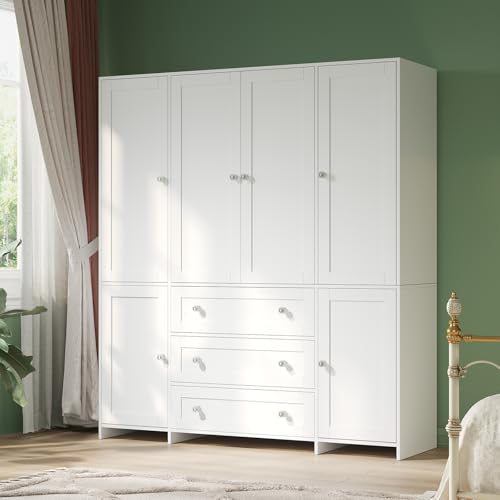
Directly addressing the common spelling, the term is correctly written as armoire. This word originates from the French language, meaning an elegant wardrobe or cabinet used for storing clothing and other items.
Each detail matters, especially in contexts where precise communication is vital. An armoire, typically large and stylish, adds character to a space while serving practical purposes. When incorporating such pieces into decor, clarity in terminology ensures effective discussions, whether in design conversations or sales.
In written communication, maintaining accuracy in terminology reflects professionalism and respect for the craft of interior design. Specifically referencing the correct form allows for smooth interactions with clients, suppliers, and colleagues alike.

Common Mispronunciations of Armoire
Common errors in pronunciation often include “arm-yore,” where the final sound is overly anglicized. Many might also say “arm-war,” which skews pronunciation away from the correct French influence.
Another frequent mistake is “armor,” which tends to conflate it with protective gear, leading to confusion. It’s advisable to focus on the softer sounds and the distinct ending that differentiates it from similar-sounding words.
When teaching others, break the word down into syllables: “ar-mwah.” Emphasizing the French origin often helps clarify pronunciation and fosters a more accurate understanding.
Listening to native French speakers or using pronunciation apps can reinforce the correct enunciation. Regular practice enhances confidence in verbal communication regarding this elegant piece of storage.
Origins and Etymology of the Word Armoire
The term originates from the Middle French word “armaire,” which denotes a chest or a cupboard. This word itself derives from the Latin “armarium,” referring to a storage place for weapons or armor. Over time, the definition shifted towards clothing storage.
In historical contexts, this type of cabinet was commonly designed to store garments, with intricate designs reflecting the artistry of furniture-making in France. The evolution of this cabinetry style can be traced back to the Renaissance, where it was often elaborately carved, displaying motifs of nature, mythology, and wealth.
By the 17th century, the usage of such storage pieces became widespread, particularly among the aristocracy. They symbolized affluence and sophistication. As the language evolved, the contemporary meaning solidified around its role in home decor and functionality.
The modern understanding of this item is rooted in both its practical use for organization and its aesthetic appeal as a statement piece in interior design. Various styles now exist, influenced by different cultures and design eras, showcasing the adaptability of this furniture type throughout history.
| Language | Word | Meaning |
|---|---|---|
| Middle French | armaire | Chest or cupboard |
| Latin | armarium | Storage for weapons |
Spelling Variations Across Different Languages
In French, the term is spelled armoire, reflecting its origins in the language. Spanish adopts the similar form armario, while in Italian it is noted as armadio. Both variants exhibit phonetic similarities but differ subtly in spelling.
The German language has a distinct take with the term schrank, which translates to cabinet or wardrobe, showcasing the linguistic shift across cultures. In Russian, one encounters шкаф (shkaf), representing a similar piece of storage furniture. These variations illustrate cultural adaptations of the concept.
In languages like Portuguese, the equivalent is rendered as guarda-roupa, literally meaning ‘clothes guard’, which highlights regional approaches to terminology. This diversification of spelling reflects local language nuances while maintaining the core idea of a storage unit.
Online searches for these terms can yield varying results based on regional language preferences, accentuating the importance of cultural context in language use. If focusing on a specific market or audience, utilizing the native term can enhance communication clarity and engagement.
Tips for Remembering the Correct Spelling
Associate the term with visual imagery. Picture an elegant wardrobe adorned with intricate designs. This mnemonic device can help cement the spelling in memory.
Chunk the word into syllables: “arm” + “oire”. Focusing on smaller parts makes recalling the full term easier.
Practice writing the word frequently. Creating sentences that include the item helps reinforce correct formatting. Examples: “The armoire was filled with vintage clothing.” or “She admired the craftsmanship of the beautiful armoire.”
Use flashcards featuring the term on one side and its meaning or an image of the furniture piece on the other. Regular quizzes can enhance retention.
Engage in spelling games or apps that challenge memory through repetition and rewards. This approach combines learning with enjoyment.
Connect the word to its French roots. Knowing the origins helps to clarify the correct arrangement of letters. Recognizing that it means “wardrobe” in French can make it more relatable.
Note alternative variations in pronunciation. Sometimes, hearing different articulations can aid in understanding the structure of the word better.
Lastly, share the term with friends or family. Teaching others is an effective technique for solidifying personal understanding.
Common Uses of Armoires in Interior Design
Incorporating this storage piece enhances both style and functionality. A frequent choice for bedrooms, it provides ample space for clothing, accessories, and linens, while simultaneously acting as a decorative statement.
In living rooms, large cabinets serve as elegant displays for books, antiques, or even electronics, helping to keep spaces organized. Positioning one against a wall adds visual interest and can anchor a room’s design.
In dining areas, tall units can store dinnerware and serving items, bridging elegance with practicality. Adding glass doors allows for showcasing fine china or collectibles, merging functionality with aesthetic appeal.
Some opt for multifunctional uses by placing a unit in a home office, utilizing it for files, office supplies, and tech gadgets, efficiently maximizing space without sacrificing style.
In children’s rooms, these cabinets serve as versatile storage solutions for toys, games, and clothing, offering a stylish way to keep spaces tidy while encouraging organization habits.
Aside from storage, units can be utilized for room separation in open-concept layouts, providing subtle delineation between areas while maintaining an airy feel.
Using ‘Armoire’ in a Sentence Correctly
The term can effectively enhance descriptions of specific storage pieces. Consider these strategies:
- Utilize context that illustrates function: “The antique wardrobe stood proudly in the corner, showcasing a beautiful array of vintage clothing.”
- Incorporate adjectives to convey style or origin: “Her modern armoire adds a touch of elegance to the minimalist design of her bedroom.”
- Use it in comparative statements: “Compared to other storage solutions, an armoire offers both beauty and practicality.”
- Showcase versatility with examples: “An armoire can serve as both a closet for clothing and a display case for cherished items.”
- Create scenario-based sentences: “After moving to the new apartment, they realized that an armoire would perfectly fit the existing decor.”
Experiment with phrasing to convey a vivid image or specific use-case. The more descriptive the sentence, the stronger the visual impact on the reader.
Identifying Different Types of Armoires
Different variants of these traditional storage pieces cater to various needs and styles. A wardrobe-style design typically features hanging space for clothing. A more elaborate variant known as a linen cupboard emphasizes storage for essentials like bedding and towels.
Entertainment Center Model
This type houses electronics, providing compartments for media equipment, as well as integrated shelving for decor. It’s a practical choice for modern living spaces, combining functionality with aesthetic appeal.
Combination Designs
Some models integrate multiple storage solutions, including drawers, shelves, and hanging sections. This versatility allows customization based on personal requirements, making them perfect for maximizing space efficiency.
Identifying the right variant ensures a more cohesive blend with existing decor while also fulfilling specific storage needs. Familiarity with these types enhances the shopping experience and guarantees satisfaction in practical aspects.
Resources for Learning More About Furnishing Terminology
One effective approach for expanding knowledge about terminology relating to storage solutions and decor items involves utilizing dedicated online platforms and literature.
- Websites:
- Sherwin-Williams – Offers articles on color theory and design principles.
- Houzz – A resource rich in articles, photos, and expert opinions on home design.
- Apartment Therapy – Covers tips and trends in home decor and organization.
- Books:
- The Elements of Style in Home Décor by Rebecca Moses – Focuses on timeless principles in furnishing.
- Interior Design Illustrated by Francis D.K. Ching – Provides a detailed overview of design concepts and terminology.
- Designing Your Home: A Step-by-Step Guide by Mary Gage – Includes practical advice for both selecting and integrating home pieces.
- Online Courses:
- Forums and Communities:
- Reddit – Home Decor – A community dedicated to sharing advice and experiences related to home aesthetics.
- DesignTalks – A discussion forum focused on design topics, including furniture choices.
Engaging with these resources will enhance understanding of unique terms, styles, and practical applications that exist in the world of home decor and furnishings.


