Caleb Turner
To successfully rejuvenate a beloved heirloom, it’s imperative to begin with a thorough assessment. Inspect every nook and cranny for signs of damage such as scratches, warping, or loose joints. Use a light touch to determine the integrity of glues and fastenings, because understanding the structure is the first step in maintaining its character while enhancing durability.
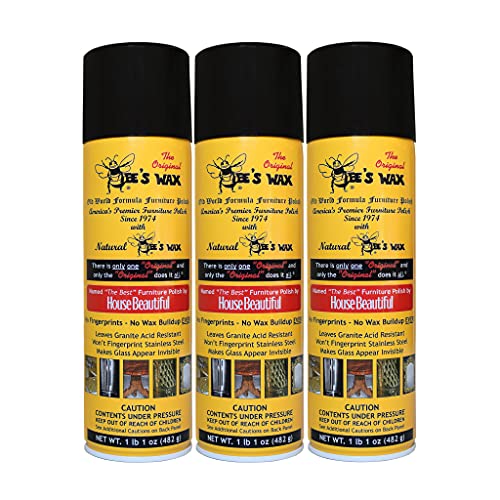
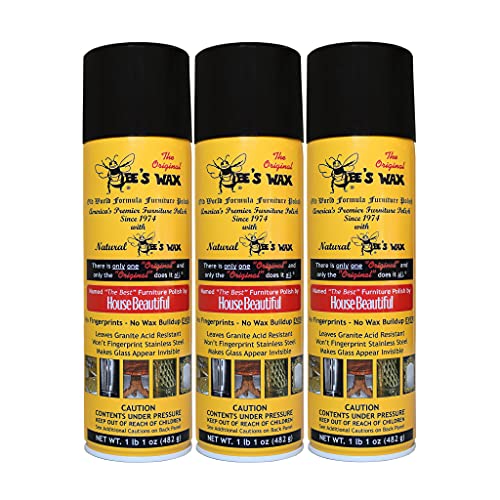
Taking time to clean the surface is essential. A gentle solution of warm water and mild soap can effectively remove decades of grime without harming the finish. Avoid abrasive materials; instead, utilize soft cloths that will treat the surface kindly. For wooden elements, a beeswax-based polish provides nourishment while reviving the luster that time has dulled.


Addressing any repairs follows cleaning. For minor scratches, a touch-up marker can blend imperfections seamlessly. For more extensive damage, consider using wood fillers, but always match the color and grain to retain authenticity. Keeping the original elements intact promotes the unique story each piece carries, preserving its historical significance while ensuring longevity.
Finally, display the rejuvenated item thoughtfully to minimize further wear. Placing items in controlled environments away from direct sunlight and extremes of temperature not only highlights their beauty but also safeguards against future issues.
Assessing the Condition of Vintage Pieces
Begin with a thorough visual inspection, identifying any signs of damage, wear, or previous repairs. Pay close attention to:
- Surface Damage: Look for scratches, dents, and discoloration that might indicate deterioration.
- Structural Integrity: Assess the stability of legs, joints, and overall construction. Any wobbling or loose connections can signal deeper issues.
- Finish Condition: Determine if the finish is intact or needs removal. Check for peeling, bubbling, or irregularities that could affect restoration efforts.
- Wood Condition: Examine for signs of rot, insect damage, or warping, which may require specialized treatment.
- Upholstery State: If applicable, evaluate the fabric for tears, stains, or excessive wear. Consider whether reupholstering is necessary.
Documenting Findings
Take detailed notes and photographs of all identified issues. This documentation aids in planning the restoration process and serves as a reference for future preservation efforts.
Historical Context
Research the piece’s background to understand its age and construction methods. Knowing the origin can influence restoration decisions, ensuring respect for craftsmanship and authenticity.
By approaching the assessment methodically, a clearer path to successful rejuvenation emerges, ensuring that each beloved item retains its character and history.
Gathering the Right Tools and Materials
Prioritizing the correct instruments and supplies is fundamental. A well-stocked toolkit minimizes frustration and enhances the quality of work. Here’s a concise list of items to acquire:
Basic Tools
Invest in quality hand tools. Essential items include:
- Screwdrivers: A set with varied sizes and types (flathead and Phillips) is vital for removing hardware.
- Hammer: Choose a claw hammer for general use and consider a rubber mallet for delicate tasks.
- Chisels: A range of chisels is needed for precise wood removal, particularly for joints.
- Saws: A small hand saw or coping saw can be handy for custom cuts.
- Sandpaper: A variety of grits (80 to 220) will assist in smoothing surfaces without damaging them.
Restoration Materials
Stock up on restoration materials that complement the tools:
- Wood Glue: Look for high-quality, wood-specific adhesive for joint repairs.
- Finishing Products: Opt for stains, varnishes, or oils that suit the specific wood types being treated.
- Filler: Wood filler or putty for covering dents and imperfections; choose a color that matches the wood.
- Cleaning Agents: Select gentle cleaners suitable for vintage pieces, such as soap-based products or specialty wood cleaners.
- Cloth Rags: Soft, lint-free cloths are preferable for applying finishes and cleaning surfaces.
Acquiring the right set of tools and materials streamlines the process, allowing for a focused approach and careful attention to detail. Proper preparation sets the stage for a successful outcome.
Cleaning Techniques for Different Finishes
Naturally, each finish demands specific care methods to prevent damage.
For lacquered surfaces:
- Use a soft, lint-free cloth dampened with water or a mild soap solution.
- Wipe gently to avoid scratching the finish.
- Avoid ammonia-based cleaners which can dull the sheen.
In the case of varnished finishes:
- Apply a mixture of equal parts water and vinegar using a soft cloth.
- Work in sections, applying and immediately buffing with a dry cloth.
- Ensure no moisture remains to prevent warping.
For oiled wood:
- Utilize a light mineral oil on a clean cloth.
- Rub in the direction of the grain to maintain the appearance.
- Reapply as necessary to retain moisture and finish quality.
If dealing with painted or chalked surfaces:
- A mixture of warm water with a few drops of dish soap is effective.
- Gently scrub with a soft sponge to avoid removing paint.
- After cleaning, dry thoroughly to prevent water damage.
For shellac finishes:
- Use a cloth dampened with denatured alcohol to clean stains.
- Apply sparingly, as excessive moisture can damage the shellac.
- Follow with a dry cloth to buff and restore shine.
Regular maintenance is critical. Dust frequently with a soft cloth, and avoid excessive exposure to sunlight and humidity. This helps to ensure each type of finish remains in optimal condition.
Repairing Structural Damage and Weak Joints
Assessing the structural integrity of vintage pieces involves identifying cracks, splits, or weakness in joints. Utilize wood glue specifically designed for furniture to mend small cracks effectively. Apply it liberally into the crevice, and then clamp the area securely until dry. This process ensures that the bond is strong and restores the joint’s functionality.
Addressing Loose Joints
For loose joints, disassemble the affected parts, cleaning them of existing glue with a putty knife or scraper. Once cleaned, reapply glue and fit the pieces back together tightly. Use clamps to hold the joint until the adhesive cures completely. In cases with dowels or tenons, ensure they are secure and replace any that show signs of wear.
Reinforcing Weak Areas
Consider reinforcing weak spots with corner braces or brackets; these can add stability without altering the authenticity of the piece. In cases of significant structural damage, replacement of affected sections might be necessary. Match the wood type and finish as closely as possible to maintain visual consistency. Attention to detail during this phase is paramount to achieve seamless repairs.
Refinishing: Stripping and Applying New Finish
Begin with careful removal of the current surface layer. I opt for chemical strippers, which effectively dissolve old finishes without damaging the wood beneath. Apply the stripper evenly with a brush, ensuring all areas are covered. Wait for the product to penetrate, usually about 15 to 30 minutes, before gently scraping away the softened finish with a plastic putty knife to prevent scratches.
Detailed Steps for Stripping
For stubborn spots, use steel wool dipped in the stripper. This technique allows for better access to crevices. After completing the stripping process, wash the surface with water and a mild detergent to remove any remaining chemicals, followed by thorough drying.
Applying New Finish
Select a finish suited for the piece’s design and use. I frequently utilize oil-based varnishes or shellac for a traditional look. Before application, sand the wood with fine-grit sandpaper to create a smooth surface, progressing to a higher grit for a polished touch. Clean dust with a tack cloth, ensuring no particles interfere with the new finish.
| Step | Description |
|---|---|
| 1 | Apply chemical stripper evenly. |
| 2 | Wait 15-30 minutes and scrape off finish. |
| 3 | Use steel wool for stubborn areas. |
| 4 | Wash with soap and water, then dry. |
| 5 | Sand surface, starting with fine grit. |
| 6 | Clean with a tack cloth and apply new finish. |
Apply the new finish in thin, even coats. Allow each coat to dry adequately before adding another layer, typically recommended for at least several hours. For maximum protection, a final coat can be hand-rubbed with a fine polish, enhancing both appearance and durability.
Preserving Value: Tips for Proper Maintenance
Regularly check for moisture damage in wood. Maintaining an optimal humidity level between 30% and 50% can prevent warping and cracking. Use a hygrometer to monitor the environment, especially in seasons with extreme temperatures.
Protection from Sunlight
Direct sunlight accelerates fading and deterioration. Utilize curtains or UV-filtering films on windows to limit exposure. Consider placing valuable pieces away from bright windows to safeguard original finishes and colors.
Periodic Dusting and Cleaning
Use a soft, lint-free cloth for dusting. A slight dampness can help lift dirt without damaging the surface. For polished items, a mixture of equal parts white vinegar and olive oil works well for restoration. Avoid abrasive cleaners, as they can scratch finishes.
Apply wax or polish sparingly, no more than twice a year, to nourish the wood. This application keeps surfaces looking fresh while forming a barrier against dirt and moisture. Always follow the manufacturer’s instructions for the best results.
FAQ:
What are the first steps to take when restoring antique furniture?
Begin by thoroughly cleaning the piece to remove dirt and grime. Use a soft cloth and a gentle cleaner, avoiding harsh chemicals. After cleaning, assess the condition of the furniture for any damage or repairs that may be needed. Document any issues you find, as this will help guide your restoration process.
How do I know if my antique furniture needs varnish or paint removal?
To determine whether your antique furniture needs varnish or paint removal, examine the surface closely. If you notice peeling, flaking, or an uneven texture, it’s a sign that the existing finish is compromised. Conduct a small scratch test in an inconspicuous area: if the finish comes off easily, it’s likely best to strip it. If the wood underneath is in good condition and the finish is intact, it may only require polishing or a new coat of finish.
What materials and tools should I use for restoring antique furniture?
Essential tools for the restoration process include a screwdriver, sandpaper or a sanding block, wood glue, clamps, and a soft cloth. Materials may comprise wood filler for repairs, wood polish, stains, or finishes, depending on the desired final look. Always choose products specifically designed for antiques to ensure compatibility and avoid damage to the original materials.
Is it necessary to refinish antique furniture, or can it be left as is?
Refinishing is not always necessary, especially if the piece is structurally sound and has an attractive patina. Many collectors and enthusiasts appreciate the character that comes with age. However, if the furniture is damaged, refinishing may be the best option to restore its appearance and ensure its longevity. Ultimately, your decision should consider both aesthetic preference and the piece’s historical value.
Can I restore antique furniture on my own, or should I hire a professional?
You can certainly restore antique furniture on your own if you have the time, patience, and basic woodworking skills. Many DIY enthusiasts find the process rewarding. However, if you’re dealing with a particularly valuable or delicate piece, or if you’re uncertain about the techniques involved, consulting a professional restorer might be a wise choice to avoid potential damage.
What are the initial steps to take before restoring antique furniture?
Before diving into the restoration of antique furniture, it is important to assess the condition of the piece. Begin by cleaning the furniture gently with a soft cloth to remove any surface dirt. Check for loose joints, scratches, or any areas of damage. Document these issues, as this will help you plan the restoration process. Additionally, research the piece to understand its history and original materials, which will guide your decisions throughout the restoration.