Caleb Turner

To tackle the residue left by surface treatments on wood surfaces, grab a solution of warm water mixed with a few drops of mild dish soap. Dampen a soft cloth with this mixture and gently wipe the affected area. This method effectively lifts the unwanted substance without causing damage to the finish.
If a stubborn film remains, utilize a mixture of equal parts white vinegar and water. Apply it sparingly with a clean cloth, ensuring not to saturate the wood. The acidity in the vinegar helps break down the residue without harming the surface.
For persistent blemishes, a commercial wood cleaner specifically designed for your type of finish can be effective. Always test any product on an inconspicuous area to verify compatibility and avoid discoloration. Following treatment, a final wipe with a dry cloth ensures the surface is clean and protected.
Identify the Type of Furniture Polish Used
Determining the specific kind of sheen product applied is essential for developing an appropriate strategy for cleanup. Check labels on any remaining packaging for ingredients or manufacturer details. Different formulations include oil-based, wax-based, and water-based options, each requiring unique approaches.
Oil-Based Products
If the applied liquid has a greasy feel or leaves an oily residue, it is likely oil-based. In this case, utilizing a mixture of vinegar and water can help cut through the residue effectively. Test the solution in a hidden area before general application to ensure it doesn’t damage the finish.


Wax-Based Products
For those experiencing difficulty with a hard, slick surface that seems to accumulate dirt, a wax-based coating may be the cause. Buffing with a clean, dry cloth can remove excess build-up. For stubborn spots, using a commercial wax remover specifically designed for such surfaces is advisable.
For water-based options, a simple soap and water mix is often sufficient. Identifying the correct type ensures that proper methods are employed to maintain the integrity of the surface beneath.
Gather Necessary Cleaning Supplies
Begin with a high-quality hardwood-safe cleaner. This is critical for effectively cutting through any residue without damaging the surface. Look for options specifically designed for wood care.
A soft cloth or microfiber towel is ideal for wiping and absorbing liquids without scratching. Avoid paper towels, as they can leave lint behind.
Consider a bucket for mixing the cleaning solution. Keep a separate container for rinsing the cloth clean. Excessive dirt or residue can hinder the effectiveness of the cleaning solution.
If the buildup is significant, a gentle scrub brush with soft bristles could be helpful. Ensure it’s suitable for wood surfaces to avoid scratches.
A spray bottle is advantageous for even distribution of the cleaning solution. This method helps control the amount applied, preventing excess moisture on the wood.
Lastly, protective gloves will safeguard hands from irritation while handling cleaning agents. Gather these items before starting the task to ensure an organized cleaning process.
Test the Cleaning Solution on a Small Area
Before applying the cleaning mixture to the entire surface, I always test it on an inconspicuous section. This precaution ensures the solution does not damage the wood or alter its finish. Choose a corner or an area underneath a piece of furniture to perform the test.
Application Method
With a soft cloth, I gently apply a small amount of the solution to the selected spot. I let it sit for a few minutes, then wipe it away with a clean, dry cloth to monitor any changes. Observing the area for discoloration or damage is crucial.
Evaluation
If the test section remains unchanged and looks good, the cleaning solution can be safely utilized on the rest of the surface. If any adverse reaction occurs, I will adjust the mixture or try a different method to ensure the safety of the entire floor.
Apply the Cleaning Solution to the Affected Area
Generously apply the prepared cleaning mixture to the section stained by the coating. Utilize a soft cloth or a sponge for this task, ensuring it is damp but not dripping. Gently work the solution into the surface, moving in the direction of the wood grain to avoid scratches. Allow the cleaner to sit for a few minutes to effectively penetrate the residue.
After a brief waiting period, take another clean, damp cloth to wipe away the loosened substances. Rinse this cloth frequently to prevent redistributing the grime. Continue this process until the area appears clean and free of any buildup. If necessary, repeat the application for particularly stubborn spots, but avoid excessive moisture that could harm the wood.
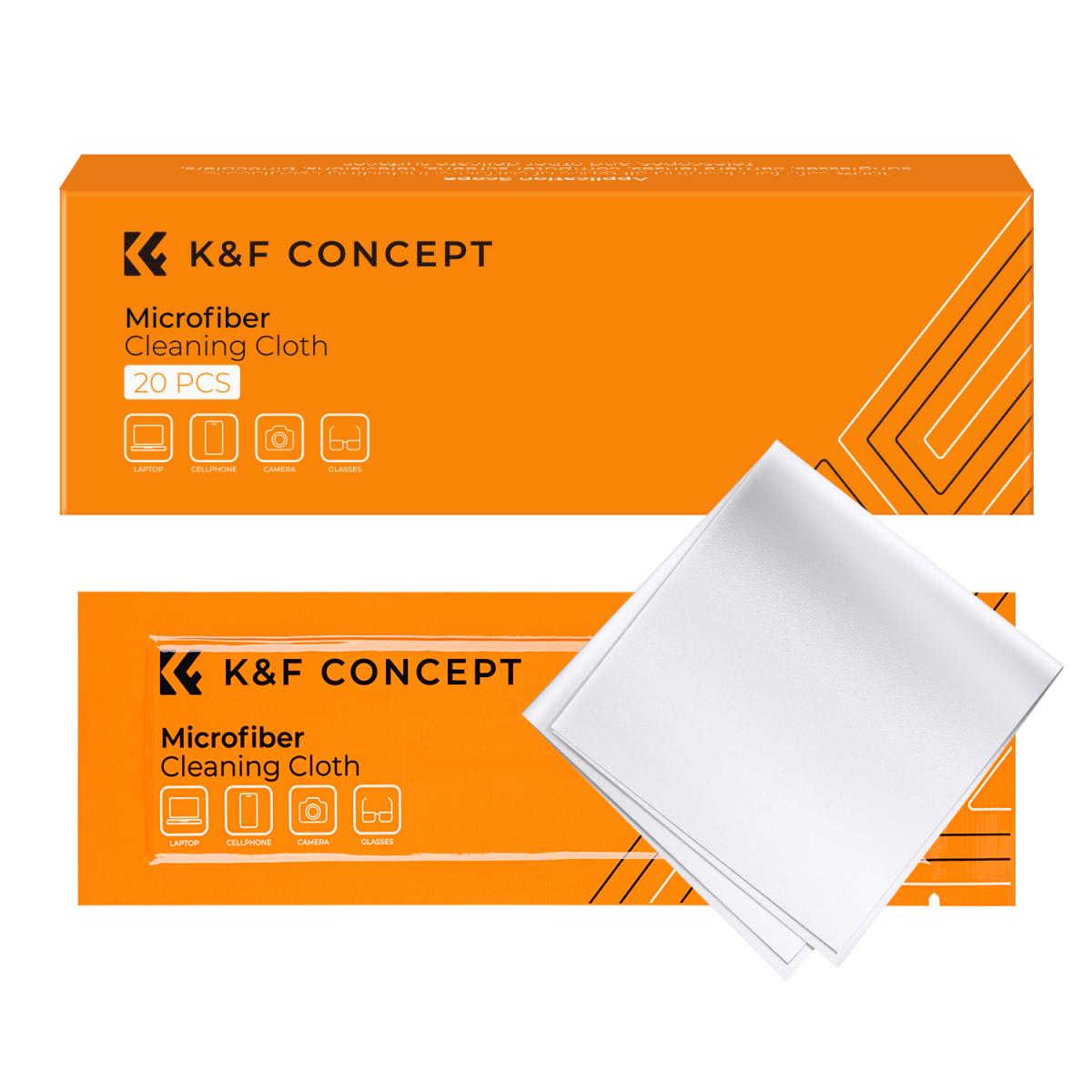
Finally, dry the area thoroughly with a dry microfiber cloth, ensuring no moisture remains, as this can lead to further damage or staining over time. Regular maintenance can prevent accumulation and keep the surface looking pristine.
Use a Soft Cloth to Wipe Away Residue
Utilizing a soft, lint-free cloth is crucial for removing any leftovers from cleaning agents. Microfiber cloths work best due to their non-abrasive properties and ability to trap particles. Begin this step after applying the cleaning solution, ensuring the area is sufficiently damp but not soaked.
Follow these instructions:
- Gently fold the cloth to a manageable size for better control.
- Lightly wipe the treated area in a circular motion, allowing the cloth to absorb residue.
- Use a clean section of the cloth as it becomes soiled, preventing streaks.
- Continue until no more residue is visible on the surface.
For stubborn spots, applying a bit more cleaning solution to the cloth rather than directly on the surface can enhance efficacy. In case of any remaining residue, a second application of the cleaning solution followed by another wipe with the cloth may be necessary.
After completion, ensure to dry the area thoroughly with a separate soft cloth, preventing any moisture buildup that could damage the surface. Keeping the floor dry is essential for maintaining its integrity.
Rinse the Floor with Clean Water
After treating the affected surface with the cleaning solution, it’s essential to rinse thoroughly. I use a mop or soft cloth soaked in clean water, ensuring it is wrung out to avoid excess moisture that could harm the wood. This step helps eliminate any remaining cleaning agent and residue from the previous application.
I begin at the farthest corner of the room, moving towards the exit to avoid stepping on freshly cleaned areas. It’s crucial to work in small sections, rinsing and then drying as I go along.
Procedure for Rinsing
The rinsing process involves a few straightforward steps:
| Step | Action |
|---|---|
| 1 | Dip the mop or cloth into clean water, wring out excess liquid. |
| 2 | Starting from a corner, apply the damp cloth or mop to the surface. |
| 3 | Move towards the exit, rinsing small sections at a time. |
| 4 | Dry each section immediately with a dry, soft cloth. |
Following this method not only restores the finish but also protects the integrity of the wood. Proper rinsing guarantees a clean and polished look without any lingering products that may attract dirt or cause streaks in the future.
Inspect for Remaining Polish and Repeat if Necessary
After the initial cleaning, a thorough check for any lingering residues is crucial. I carefully examine the surface under different lighting to catch any glossy spots or discoloration.
If traces are still visible, it’s time to repeat the cleaning process. Here’s a structured approach:
- Re-evaluate the cleaning solution for compatibility; adjust if needed.
- Target areas showing residue, applying a fresh layer of the solution.
- Utilize a soft cloth for diligent wiping, ensuring thorough contact and absorption of excess product.
After addressing the affected spots, repeat the inspection. Consistency is key–multiple passes may be required to achieve a completely clean surface. This iterative process leads to optimal results, free from unwanted sheen.
Finally, ensuring full removal will help maintain the integrity of the wood and the overall aesthetic of the space.