
 Caleb Turner
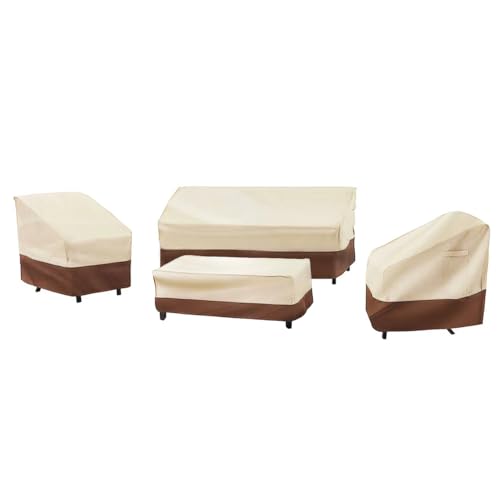
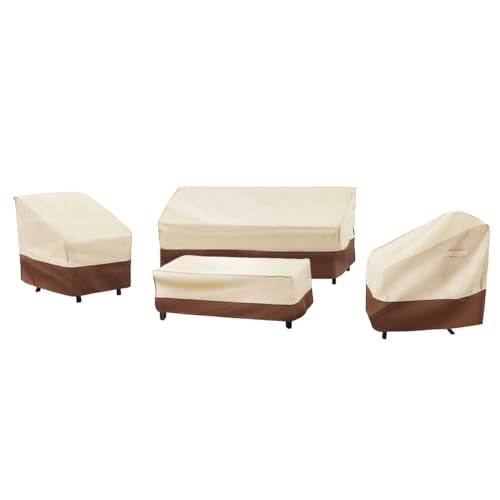
Using protective covers is one of the most straightforward methods to shield those outdoor woven pieces from the elements. Investing in high-quality, weather-resistant covers tailored to fit can significantly extend their lifespan.
Regular cleaning of the surface ensures that dirt and debris do not cause damage over time. A gentle soap solution and soft brush are ideal for maintaining the aesthetic appeal without harming the material.

Applying a UV-resistant spray can also be beneficial, providing an extra layer of safeguarding against sun exposure. It’s best to choose a product specifically designed for the type of weaving, ensuring compatibility and effectiveness.
Finally, consider relocating these outdoor structures during harsh weather. Protection from strong winds and heavy rain can be paramount, reducing the risk of damage from natural elements.
How to Protect Wicker Furniture Outside
I recommend applying a protective sealant specifically designed for outdoor use. This will create a barrier against moisture and UV rays, preventing deterioration.
The use of covers is beneficial; invest in high-quality, weather-resistant materials that fit snugly around the items. These covers offer essential shielding during harsh conditions.
Regular cleaning is a must. Using a soft brush or damp cloth can remove dirt and debris, preventing staining and buildup that could damage the surface.
Consider repositioning the items to avoid prolonged exposure to intense sunlight. Keeping them in shaded areas or under a patio can significantly extend their lifespan.
For additional protection, storing the pieces indoors during extreme weather events is wise. This ensures that heavy rain, snow, or wind do not cause any harm.
Inspect periodically for any signs of wear or damage. Addressing issues promptly can prevent larger problems later on, preserving the integrity of your aluminum or synthetic options.
Using furniture pads or risers can protect the bottom parts from moisture on the ground, reducing the risk of mold and mildew developing over time.
Choosing the Right Location for Your Wicker Furniture
Placing your rattan seating in an optimal spot significantly impacts its longevity. Aim for shaded areas to minimize UV exposure, ideally under a patio or a canopy. Consider the wind’s direction; placing it in a sheltered nook can guard against strong gusts, preventing potential damage.
Factors to Consider
- Sunlight Exposure: Prolonged sunlight can fade colors and weaken materials. Positioning items under trees or awnings can shield them effectively.
- Ground Surface: Ensure the ground is even. Uneven surfaces can lead to instability and potential breakage.
- Proximity to Water: Avoid placing them directly next to pools or spas to prevent moisture issues.
Maintenance Tips
- Evaluate the surroundings regularly to watch for debris, dirt, or water pooling.
- Rotate the seating occasionally to promote even wear, particularly if sunlight access varies.
- Adjust location based on seasonal weather changes, moving items to more sheltered spots during storms.
Applying Protective Coatings for Weather Resistance
Utilizing a high-quality outdoor sealant significantly enhances the durability of these pieces. Begin by selecting a clear acrylic or polyurethane coating, which forms a protective layer against moisture and UV rays. Ensure the surface is clean and dry before application. Use a soft-bristle brush or a spray applicator for even coverage. Allow sufficient drying time between coats, typically 24 hours, to achieve optimal results.
Maintenance of Coatings
After applying protective finishes, routine inspections are crucial. Periodically check for signs of wear or areas where the coating may have degraded. Any scratches or chips should be promptly touched up to maintain the barrier against the elements. It’s advisable to reapply the sealant annually to ensure continuous protection and prolong the lifespan of the item.
Alternative Treatments
In addition to sealants, specialty sprays designed for outdoor use can provide extra shielding. These products often include mold and mildew inhibitors, ideal for humid climates. A thorough application twice a year can significantly bolster the resilience of natural materials against environmental stressors.
Using Covers to Shield Furniture from Elements
Employing protective covers is a straightforward tactic for maintaining outdoor seating and tables. Opt for breathable, weather-resistant materials that prevent moisture buildup and avoid mold. Such materials include polyester or vinyl, which are both durable and lightweight.
- Choose fitted designs for a snug wrap around the pieces, ensuring full coverage during inclement weather.
- Look for adjustable straps or buckles to secure covers in place against wind and movement.
- Consider UV-protected options to guard against sun damage and fading over time.
Regularly check the condition of the coverings. Replace any torn or worn-out items to ensure continuous protection. During severe weather events, extra precautions such as relocating items to sheltered areas should be taken, even with covers in place.
Finally, keeping the surfaces clean and dry before covering is vital. This practice minimizes the risk of mold and mildew growth, preserving the overall integrity of the pieces. Regular airing out of the covers enhances longevity and functionality.
Regular Cleaning to Maintain Durability
To keep pieces in prime condition, routine cleaning is a necessity. Start with a soft brush or cloth to remove dust and debris; this simple step prevents buildup that can damage fibers over time. Aim for at least a bi-weekly schedule during high-usage seasons.
Methods for Effective Cleaning
For deeper cleaning, mix mild soap with warm water. Dip a clean cloth into the solution, wring it out until damp, and gently wipe surfaces. Avoid soaking the strands, as excess moisture can weaken them. Afterward, rinse with a damp cloth to remove soap residue, and dry with a soft towel.
Addressing Stains and Residue
For stubborn stains, a paste of baking soda and water can be effective. Apply it to the stain, let it sit briefly, then scrub lightly with a brush. Finally, rinse and dry thoroughly. Regular maintenance prevents discoloration and prolongs the lifespan of these outdoor elements.
Storing Wicker Furniture During Off-Seasons
Choosing a dry, climate-controlled environment is key to extending the lifespan of natural fiber pieces. Consider using a dedicated storage space like a garage, shed, or basement to shield items from dampness and temperature fluctuations.
Before storing, clean the surfaces thoroughly and ensure all dirt and debris are removed. Dry them completely to prevent mold growth during storage. Applying a light coat of wax can provide extra protection against moisture.
Disassemble larger items if possible to save space and reduce the risk of damage. Wrap individual parts in protective material such as bubble wrap or furniture blankets to guard against scratches and impacts.
Utilizing breathable storage bags allows air circulation while preventing dust accumulation. Avoid plastic covers that can trap moisture, fostering an environment conducive to deterioration.
Avoiding Direct Sunlight to Prevent Fading
Positioning items in shaded areas is crucial for minimizing sun exposure. This can involve selecting spots under natural shade provided by trees or canopies. Alternatively, consider using outdoor umbrellas or shade sails to create cover on sunny days.
Strategic Site Selection
When arranging outdoor seating, place items away from the most intense rays during peak sun hours, typically between 10 AM and 4 PM. Relocating items periodically can also help distribute exposure evenly, reducing the risk of uneven fading.
Use of UV-Resistant Materials
Incorporating UV-resistant materials or covers can offer additional protection. Choosing cushions and accessories with added UV protection can extend the life of the colors and finishes, enhancing visibility while maintaining aesthetic appeal.
Inspections and Repairs for Long-Term Care
Conduct regular assessments of natural fiber items. Aim for at least twice a year, ideally in spring and fall, to identify any damage or wear.
| Inspection Focus | What to Look For |
|---|---|
| Structural Integrity | Check for loose strands, broken supports, or sagging areas. |
| Signs of Mold | Look for discoloration or fuzzy spots, indicating moisture issues. |
| Pests | Examine for signs of insect damage, such as small holes or frayed areas. |
For minor repairs, consider using a pair of scissors to trim loose or frayed edges. To reinforce weak spots, apply a bit of waterproof adhesive. Ensure all repairs are performed carefully to maintain the aesthetic appeal.
If significant damage occurs, seek professional restoration services for larger structural issues. Have cushions and padding reupholstered when fabric shows signs of wear. This helps retain appearance while extending usability.
Document the condition before and after any repairs to track improvements and create a maintenance log. Regular upkeep and timely repairs ensure that your outdoor pieces remain functional and visually pleasing for years.


