Caleb Turner

The most immediate solution involves applying a mixture of equal parts vinegar and olive oil to a soft cloth. Gently rub this blend over the affected area in circular motions. This combination not only helps lift stains but also conditions the wood, keeping it nourished.
If the initial approach doesn’t yield desired results, consider using mayonnaise. Spread a small amount directly over the stain, covering it completely. Allow it to sit for a few hours, then wipe clean with a soft cloth. The oils present in mayonnaise can penetrate the wood and help eliminate residual marks.
A third method utilizes heat. Place a clean, dry cloth over the stain and use an iron set to low heat for a few seconds. Ensure the iron isn’t in direct contact with the wood; the cloth acts as a buffer. This process may evaporate any moisture trapped under the surface, reducing the visibility of the blemish.


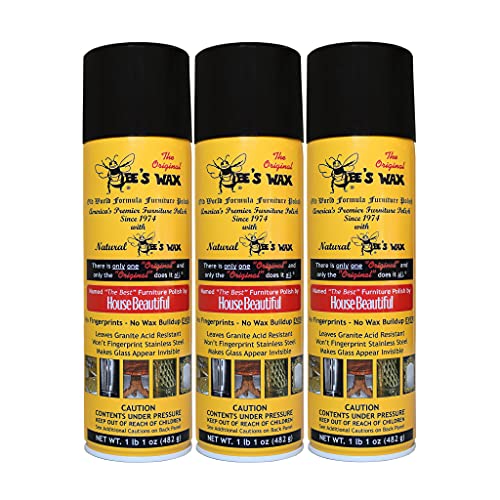
Lastly, for stubborn cases, a specialized wood cleaner or refinisher could work wonders. Apply according to the manufacturer’s instructions, as these products are formulated to treat specific types of damage while enhancing the overall appearance of the wood.
Removing Stains from Surfaces
A simple method involves using a mixture of equal parts vinegar and olive oil. Apply this blend onto a soft cloth and gently rub the affected area in the direction of the grain. Wipe off any excess solution with a clean cloth and buff lightly.
Alternative Techniques
- Baking soda can serve as a gentle abrasive. Create a paste by combining it with water and apply it to the affected area. Allow it to sit for a few minutes before wiping clean with a damp cloth.
- Steam from a kettle can help lift stubborn discolorations. Using a cloth, direct the steam towards the stained region, ensuring to keep a safe distance to avoid damage.
- Utilizing a hairdryer on a low setting can assist in evaporating moisture trapped in the surface. Keep the dryer moving to avoid overheating any one spot.
Precautionary Measures
- Always test any solution on an inconspicuous area first to ensure it doesn’t alter the finish.
- Avoid harsh chemicals which might harm the surface.
- Consider applying a protective wax or polish post-cleaning to prevent future issues.
Identifying the Type of Water Mark
Recognizing the kind of stain on the surface is critical for determining the correct approach for removal. Stains typically fall into two categories: white or cloudy and dark or brown. Each type requires specific treatment methods.
White or Cloudy Stains: These often occur due to moisture trapped on the surface, commonly from a glass or cup. A quick test involves rubbing your finger over the area; if it feels smooth, it’s likely a surface-level issue. For treatment, gentle heat from a hairdryer can help evaporate the moisture.
Dark or Brown Stains: Such discolorations are generally a sign of deeper penetration into the wood, frequently from spills of beverages or prolonged exposure to water. In this scenario, it’s essential to assess the severity. A damp cloth can help determine if the area is soft, indicating further damage. For recovery, consider using a combination of baking soda and water to form a paste, applying it gently and then wiping clean.
Watching for other indicators, like puffiness or texture changes, can also guide the correction process. Identifying the precise type aids in selecting the most appropriate remedy, ensuring a better outcome for the restoration effort.
Choosing the Right Cleaning Solution
Selecting a cleaning agent tailored to the specific type of discoloration is crucial. Homemade remedies often utilize common kitchen ingredients, while commercial options may be formulated specifically for various surfaces. The method may vary depending on the material of the item in question.
Homemade Remedies
Consider these effective solutions:
| Ingredient | Preparation | Application |
|---|---|---|
| Olive Oil & Vinegar | Mix equal parts of both | Apply with a soft cloth, rub gently |
| Baking Soda | Mix with water to form a paste | Rub gently with a cloth, then wipe clean |
| Mayonnaise | Use directly | Apply on the affected area, let sit, then wipe off |
Commercial Products
For those preferring store-bought options, check labels for efficacy. Products designed for specific materials like wood, leather, or fabric often yield the best results. Examples include:
| Product Type | Recommended Use</th |
|---|---|
| Wood Polish | Cleans and nourishes wooden surfaces |
| Fabric Cleaner | Effective for upholstery or fabric-covered items |
| Leather Conditioner | Restores and protects leather finishes |
Choosing the right cleaning solution ensures a better outcome and minimizes the risk of damage. Always test in an inconspicuous area first to assess compatibility.
Using Heat to Remove Water Marks
Applying a low heat source is an effective method for treating stains. Start by placing a clean, dry cloth over the affected area. Ensure the cloth is white to avoid transferring any dyes onto the surface.
Utilize an iron set to a low heat setting, and gently press it against the cloth for a few seconds. Move the iron in circular motions, making sure not to leave it in one spot for too long to prevent damage. Check the results frequently; the moisture should begin to evaporate, lifting the blemish away.
If a hairdryer is available, set it to low and hold it about six inches away from the cloth. This approach provides more control without direct contact with the wood. Again, check periodically for improvement.
After successfully diminishing the stain, buff the surface with a soft, dry cloth to restore shine. For added protection, apply a suitable polish or wax after the area has cooled down.
Always test heat methods on an inconspicuous area first to ensure compatibility with the finish.
Applying Oils for Wood Furniture Care
The application of oils significantly enhances the longevity and appearance of wooden surfaces, protecting against future blemishes while nourishing the wood. Choose a high-quality oil, such as mineral oil or tung oil, to begin the maintenance process. Ensure the wood is clean and dry before proceeding.
Application Process
Use a soft, lint-free cloth to apply the oil. Pour a small amount onto the cloth and rub it into the wood using circular motions. Focus on one section at a time to ensure even distribution. Allow the oil to penetrate for at least 15-30 minutes before wiping off any excess with a clean cloth.
Frequency of Treatment
Repeat the oil application every 3 to 6 months, depending on the usage and exposure of the furniture. Regular maintenance protects the wood while enhancing its natural beauty, ensuring a polished and well-cared-for look.
In case of stains or irritation, use additional oil to work the affected area gently. This can help to restore the furniture’s sheen, assisting in the repair of damage over time.
For best results, select oils that do not leave a sticky residue and are specifically formulated for the type of wood in question. This attention to detail in the selection of products contributes to the preservation of your wooden pieces.
Regular oiling not only protects against moisture but also prevents dirt buildup, maintaining the clarity and charm of the wood. Implementing this practice as part of ongoing furniture upkeep will yield lasting benefits.
Testing a Small Area Before Full Application
Always conduct a test on an inconspicuous section of the surface prior to applying any treatment. This step ensures compatibility and minimizes the risk of damage.
Choose a small corner or side, preferably out of plain sight. Apply the solution or treatment lightly, observing how the material reacts over a few minutes. Look for any discoloration, texture changes, or adverse reactions. If the result is satisfactory, proceed with confidence; if not, consider an alternative method.
Steps for Testing
1. Select a discrete spot where it won’t be easily noticed.
2. Use a cotton swab or cloth to apply a small amount of the chosen cleaner.
3. Wait several minutes to gauge its effect.
4. Assess the area for any unwanted changes.
Safety Precautions
Ensure good ventilation when testing products, especially those with strong odors. If unsure about a product’s safety, reading reviews or consulting with experts is advisable before widespread application.
Polishing the Surface After Treatment
Once the treatment is complete, achieving a polished finish can significantly enhance the appearance of wood. Start by selecting a high-quality furniture polish or wax suitable for the specific type of wood.
Steps to follow:
- Ensure the surface is clean and dry before applying any polish or wax.
- Pour a small amount of polish onto a soft, lint-free cloth.
- Gently rub the cloth on the wood surface in the direction of the grain. This technique distributes the polish evenly.
- Apply additional coats as needed, allowing each coat to dry completely before the next application.
- Buff the surface with a clean cloth for a glossy finish, focusing on areas that may require extra attention.
Regular maintenance can prevent future stains and keep the wood looking its best. Use polish every few months to maintain that fresh appearance.
Remember to store wood in an environment with controlled humidity to avoid moisture-related issues.
Preventing Future Water Marks on Furniture
To shield surfaces from future blemishes, use coasters under beverages. This simple addition acts as a barrier, protecting wood and upholstery from condensation or spills.
Consider applying a high-quality sealant specifically designed for furniture. This protective coating helps to create a barrier against moisture infiltration, significantly reducing the risk of damage from accidental spills.
Regular maintenance, such as polishing with beeswax or specialized furniture wax, enhances the protective layer on wooden surfaces. This not only provides a lustrous finish but also reinforces resilience against moisture.
Keep the indoor humidity balanced. Employing a dehumidifier in humid climates or ensuring proper ventilation in enclosed spaces can minimize moisture exposure. A consistent environment plays a crucial role in preserving furniture quality.
Encourage immediate cleanup of any spills or stains, regardless of the liquid involved. Quick action helps to minimize the potential for lasting damage to surfaces.
Educate household members about the importance of using placemats and coasters during mealtime. By fostering a culture of care, everyone can contribute to maintaining the integrity of the furnishings.
When to Consult a Professional for Repair
Consult a specialist if the damage is extensive or persistent. If the surface appears deeply etched, a professional will likely have access to restoration tools and techniques beyond standard home remedies.
Signs Indicating Professional Assistance
Persistent discoloration after trying DIY methods, or if the finish is compromised, are critical indicators. If delicate veneers or antique pieces are involved, enlisting an expert is wise to avoid further damage.
Understanding the Value of Your Piece
If the item holds significant monetary or sentimental value, investing in professional restoration can prevent a loss. Experts can mitigate risks, ensuring that repairs respect the original integrity of the piece.