
 Caleb Turner
Applying a small amount of mayonnaise to the affected area often yields positive results. The oils in mayonnaise can help to restore the finish by penetrating the wood and displacing moisture. Gently rub it in using a soft cloth, allowing it to sit for ten to fifteen minutes before wiping away any excess and buffing the surface.
Alternatively, using a hairdryer set on low heat can also aid in eliminating those stubborn white spots. Hold the dryer several inches away from the surface, moving it back and forth to avoid overheating any one spot. This method helps evaporate trapped moisture beneath the finish. Always monitor closely to prevent damage from excessive heat.
A mixture of equal parts vinegar and olive oil serves as another effective remedy. Apply the solution with a soft cloth, rubbing it in the direction of the grain. Vinegar cleans while olive oil moisturizes, thus aiding in restoring the shine of the wood. Wipe away any residue for a clean finish.
Understanding Different Types of Water Rings
Identifying the type of marks left on surfaces is crucial for determining the best restoration methods. Common categories include:

| Type | Description</th | Typical Causes |
|---|---|---|
| White Rings | Light or milky-colored spots indicating moisture trapped in the finish. | Condensation from cups, moisture from wet items. |
| Dark Rings | Deep stains resulting from water permeating past the finish into the wood. | Spills that remain uncleaned, prolonged exposure to liquid. |
| Circles with Gloss | Shiny areas indicating that the finish has softened under heat or moisture. | Hot items placed directly on the surface, steam from cooking. |
| Relief Marks | Slight swelling or deformation in the finish, often requiring sanding. | Heavy moisture exposure, floods, or excessive cleaning. |
Each type requires different restoration techniques. Knowing this helps in planning the right approach for repair.
Tools and Materials Needed for Removal
Gather the following items for an effective approach to eliminating those bothersome impressions:
- Soft cloth: A lint-free microfiber cloth will work best to prevent scratching the surface.
- Iron: A typical household iron helps in the process – just ensure it has an adjustable temperature setting.
- Water: Distilled is preferable to avoid leaving minerals on the surface.
- Paper towels: Suited for absorbing moisture and protecting the area during treatment.
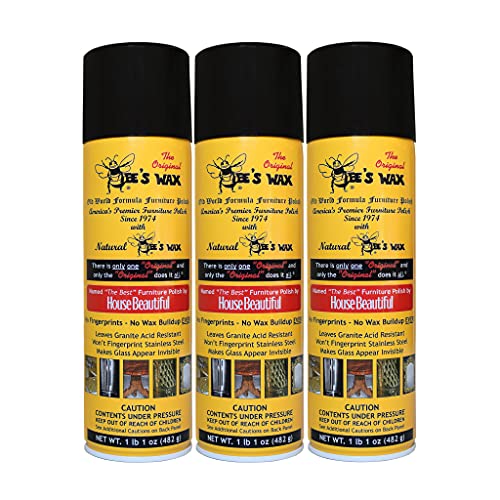
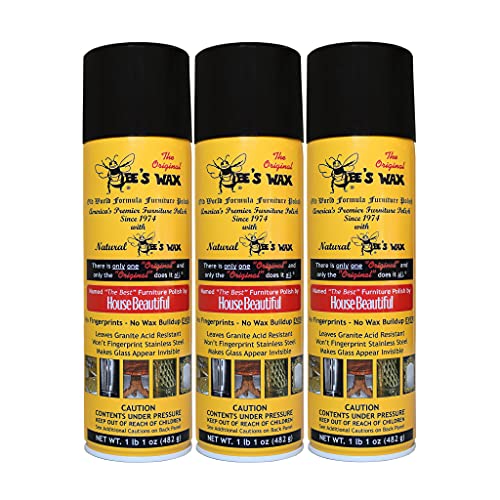
- Furniture polish or wax: A high-quality product enhances the final appearance post-removal.
- Vinegar: Can assist in cleaning up stubborn marks before the main treatment.
- Baking soda: An excellent mild abrasive for an additional cleaning option.
Having these materials ready allows for quick action when dealing with unsightly marks. Each tool plays a specific role in restoring the original look of the piece, ensuring a thorough process without harming the item’s surface.
Step-by-Step Guide for Heat Treatment Method
Apply a clean, dry cloth over the affected area.
Utilize an iron set to medium heat, ensuring no steam is used.
Gently press the iron onto the cloth for about 10-15 seconds.
Lift the iron and check the spot. If the blemish persists, repeat the process.
Once the mark fades, wipe the surface with a soft cloth to restore shine.
For stubborn spots, consider adding a small amount of olive oil or furniture polish to the cloth.
Allow the surface to dry completely after treatment before using it again.
Using Toothpaste to Remove Water Stains
Toothpaste serves as a practical solution for addressing unsightly marks. Opt for a non-gel, non-whitening paste for optimal results.
Follow these steps:
- Apply a small amount of toothpaste directly onto the affected area.
- Using a soft cloth or a finger, gently rub the toothpasted spot in a circular motion.
- Continue rubbing for about 30 seconds to a minute, ensuring even coverage.
- Once the stain lightens, wipe off the toothpaste using a clean, damp cloth.
- Dry the surface thoroughly with a dry cloth to prevent further damage.
Conduct a spot test in an inconspicuous area to ensure compatibility before applying to the main surface.
This method effectively diminishes the appearance of blemishes without damaging the finish.
Natural Remedies: Olive Oil and Vinegar Solution
Mix equal parts of olive oil and white vinegar for a simple yet powerful remedy. This combination not only cleans but also nourishes the wood. Apply the mixture to a soft cloth and gently rub it over the affected area in circular motions.
Let it sit for a few minutes to allow the solution to penetrate the finish. Afterward, buff the area with a clean, dry cloth to restore shine. This method is effective for mild stains, enhancing the surface’s natural luster while providing some level of protection against future marks.
Test the solution in an inconspicuous area first to ensure compatibility with the finish of the item. Regular use can also help maintain the overall appearance of the surface.
Preventing Future Water Stains on Furniture
Regularly applying a high-quality furniture wax helps form a protective layer, reducing the risk of moisture damage. Choose a product specifically designed for the material of your piece.
Utilizing coasters under drinks is critical. Opt for moisture-absorbing materials such as cork or felt to mitigate direct contact with surfaces.
Consider placing protective mats under planters and vases, as they can prevent spills from soaking into the finish.
Keep humidity levels stable in the environment. Using a dehumidifier in areas prone to excess moisture maintains optimal conditions.
Ensure that wet items, like towels or dishes, are not left resting on surfaces for extended periods. This simple habit minimizes contact with liquids.
Regular dusting with a soft, dry cloth not only maintains appearance but also creates an additional barrier against potential stains.
Finally, applying a sealant designed for wood or other materials reinforces the surface, offering long-term protection against spills and moisture penetration.


