Caleb Turner

Begin with selecting the right materials. Opt for wooden items or those made from composite materials. Avoid overly polished surfaces, as the goal is to achieve a well-worn look. Consider pieces with intricate details like carvings or old-fashioned hardware to enhance the aged effect.
Prep the surface thoroughly. Sanding down rough spots ensures better paint adhesion. Use a mixture of coarse and fine sandpaper for the best outcome. After sanding, clean the surface properly to remove dust and debris.
When it comes to coloring, choose pastel shades or muted tones. A base coat provides a solid foundation; apply chalk paint or milk paint for an authentic vintage vibe. Once dry, distress the surface by gently sanding edges and raised areas to reveal the original wood underneath.
Seal the piece with a clear wax or matte varnish to protect the finish while retaining a rustic appearance. Allow sufficient drying time before using the item, ensuring its longevity and charm.


Selecting the Right Materials for Shabby Chic Furniture
Reclaimed wood serves as an excellent option due to its character and irregularities. This choice provides a genuine rustic feel that new materials often lack. Look for weathered planks that display visible signs of age, such as knots, cracks, or peeling paint.
Metal accents can enhance the aesthetic with an industrial touch. Aged iron or distressed brass fittings complement the warmth of wood and elevate the overall design. Consider using vintage hardware from flea markets to amplify authenticity.
Fabrics play a crucial role in softening the visual impact of a piece. Linen, cotton, or burlap can provide a casual yet inviting appearance. Choose light, faded colors or floral patterns that imitate the look of aged textiles.
Paint selection should focus on matte or chalky finishes. These provide an understated, vintage appearance. Opt for pastel hues or muted tones, perhaps white, pale blue, or soft pink. Allow for uneven application to reinforce the timeworn look.
For added texture, introduce decorative elements like jute or sisal rugs. These natural fibers not only contribute to the aesthetic but also enhance the tactile experience.
Cushioning materials should prioritize comfort. Use organic or recycled foam to maintain eco-friendliness while ensuring that upholstered surfaces remain inviting. Select fabrics that are durable yet retain that effortless aged vibe.
Preparing Furniture for a Shabby Chic Makeover
Thorough cleaning is non-negotiable. Use a gentle scrub with warm water and mild soap to remove dust, dirt, and grease. For stubborn spots, a mixture of vinegar and water works effectively. Ensure all surfaces are completely dry before proceeding.
Next, inspect for imperfections. Fill any scratches or dents with wood filler, allowing it to dry fully before sanding smooth. This creates a flawless base for the new appearance.
Deciding on a color palette is crucial. Soft pastels or muted tones typically reflect the desired aesthetic. Test paint samples on inconspicuous areas to see how they interact with the existing wood grain.
Prep the surface by sanding. Begin with medium-grit sandpaper (around 120 grit) to remove any varnish. Finish with fine-grit (around 220 grit) for a smooth touch. Always sand in the direction of the grain to avoid scratches.
Using a primer is advisable if transitioning from a dark to a lighter shade; this will enhance coverage and durability. Allow drying time as specified on the primer instructions before applying any paint.
| Task | Material | Purpose |
|---|---|---|
| Cleaning | Mild soap, vinegar | Remove dirt |
| Filling | Wood filler | Repair imperfections |
| Sanding | Various grit sandpapers | Smooth surface |
| Priming | Primer | Enhance paint adherence |
The last step before painting involves cleaning the surface again to remove dust created during sanding. Utilize a damp cloth for this purpose. Once everything is set, proceed with the chosen design techniques for a stunning transformation.
Techniques for Distressing Wood Finishes
Utilize sandpaper to create wear and tear on surfaces. Choose a coarse grit to begin distressing edges and corners, gradually moving to finer grits for a smoother finish. Pay attention to high-contact areas where natural wear would occur.
Experiment with heat for a rustic look. A heat gun can scorch wood, adding an aged appearance. Keep the tool moving to avoid burning through the surface, achieving a soft, weathered effect.
Employ a chisel or screwdriver to create dents and scratches. This method introduces random imperfections that mimic real aging. Choose varied pressures and angles to achieve a more organic look.
Apply a vinegar and steel wool solution as a wood stain alternative. Let the mixture sit for several days before brushing it on the wood. This technique chemically reacts with tannins in the wood, resulting in an aged, grayish hue.
Use paint layering for added depth. Start with a base coat, then apply a contrasting top coat. After drying, sand or scrape away areas to expose the base layer, highlighting natural character.
Incorporate washes or glazes to emphasize textures. A mixture of paint and water creates a translucent finish, enhancing grain patterns without completely covering them.
Consider using wax for a soft sheen that enhances the distressed effect. Once finishing touches are complete, apply a layer of clear wax to seal in the look while allowing the wood’s character to shine through.
Choosing and Applying Paint Colors
Begin with a color palette that complements the desired aesthetic. Soft pastels, muted tones, and vintage-inspired hues create an inviting atmosphere. Consider shades like pale pink, light blue, or creamy white. These colors naturally evoke a sense of nostalgia and charm.
Testing Samples
Before committing to a color, test samples on a small area of the piece. Apply two or three coats to observe how the color interacts with the wood grain and lighting. Allow the paint to dry fully, as a wet finish can appear darker.
Layering Techniques
For added depth, utilize layering techniques. Start with a base coat in a soft tone, followed by a contrasting color, then sand or distress the top layer to reveal glimpses of the undercoat. This method enhances the character of the piece, creating a timeworn look.
To finish, apply a protective sealant, ensuring longevity while maintaining the aesthetic appeal. Products like matte or satin varnish complement softer colors and add an extra layer of sophistication.
Incorporating Vintage Hardware and Accessories
Choose authentic vintage knobs, handles, and hinges to enhance character. Antique brass or distressed iron fittings create a lovely contrast against painted surfaces. Visit flea markets, estate sales, or specialized websites for unique finds.
Consider mismatched hardware for an eclectic look. Pair different styles on a piece for visual interest, but maintain a unified color palette to keep the design cohesive. This approach adds a personal touch without feeling chaotic.
Accessorize with aged mirrors, vintage trays, or quirky wall art. These items can accentuate the overall theme, making the space feel curated and warm. Look for items with patina or signs of wear, as they add authenticity.
Include textiles like lace doilies, frayed linens, or floral-patterned cushions that further enhance the rustic ambiance. Mixing textures adds depth and invites a cozy feeling in the environment.
Integrating vintage accessories into design not only highlights creativity but also honors the rich history of each piece. Each element contributes to a story, making the overall aesthetic feel genuine and inviting.
Finishing Touches: Using Wax and Sealants
Applying a wax or sealant is a simple yet transformative step that enhances both appearance and durability. For a distressed effect, I recommend using clear or tinted wax to highlight the wood’s texture. Begin with a clean, dry surface to ensure proper adhesion. Use a soft cloth or brush to apply the wax in small sections, working it into the crevices and wiping off any excess to avoid a sticky finish.
Choosing the Right Wax
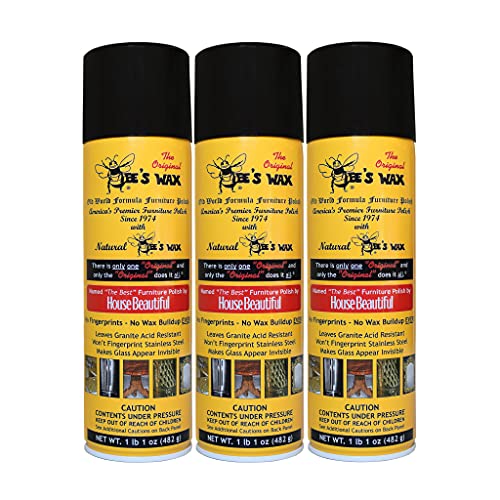
The type of wax selected can greatly influence the final look. A natural beeswax offers a warm glow, while specialized furniture waxes can provide additional durability and mildew resistance. If desiring a bit of color, opt for tinted waxes that complement the paint beneath. Testing a small area ensures satisfaction before full application.
Applying Sealants for Protection
After waxing, consider applying a sealant for added protection, especially if the piece will see heavy use. A water-based polycrylic or an oil-based polyurethane can serve well, with oil-based options offering a more traditional feel. Apply in thin layers, allowing each coat to dry completely before sanding lightly and adding the next one. This method builds a resistant barrier without altering the color significantly.
Creating a Cohesive Shabby Chic Style in Your Home
Incorporate a consistent color palette throughout the space. Soft pastels such as mint green, pale pink, and delicate blues work harmoniously. These hues evoke a charming, vintage allure that enhances the overall ambiance.
- Choose a main color and select complementary shades for accents.
- Limit to 3-4 primary colors to prevent visual clutter.
Blend various textures to add depth. Layering soft fabrics like linen and cotton along with distressed woods and metals creates an inviting environment.
- Use table linens and cushions with floral patterns to soften hard surfaces.
- Incorporate woven baskets for functional storage while adding a rustic touch.
Mix furniture styles for an eclectic feel. Pair a vintage armchair with a modern table or use mismatched dining chairs to enhance character.
- Search thrift stores and flea markets for unique pieces.
- Look for items with a story or distinct design to serve as conversation starters.
Accessorize thoughtfully with vintage finds. Antique mirrors, muted photo frames, and lace doilies contribute to the overall aesthetic without overwhelming the space.
- Hang artwork that resonates with the theme, such as floral prints or sepia-toned photographs.
- Utilize shelves to showcase small collectibles or heirlooms.
Lighting plays a crucial role in setting the mood. Opt for softer, warm tones in lighting fixtures. Chandeliers or table lamps with vintage-inspired shades create a cozy atmosphere.
- Use dimmers to adjust the brightness for different occasions.
- Consider fairy lights or candles for an added touch of warmth.
Create focal points to draw the eye. Whether it’s a beautifully painted sideboard or a striking piece of artwork, well-placed accents will enhance visual interest.
- Avoid overcrowding spaces; allow pieces to breathe and stand out.
- Consistency in style across different areas keeps the theme intact.
Keep functionality in mind while maintaining aesthetics. Ensure that every item serves a purpose, adding both beauty and usability.
- Incorporate multi-functional pieces like storage ottomans or decorative trunks.
- Maintain an organized environment by minimizing excess.
Maintaining and Caring for Vintage-Style Interiors
Regular dusting with a soft, lint-free cloth prevents the build-up of grime on surfaces. For deeper cleaning, a mixture of mild soap and water works well–just ensure not to saturate the wood. A damp cloth followed by a dry one will help in avoiding moisture retention.
Applying a clear wax or a specialized wood conditioner every 6 to 12 months maintains the protective finish and enhances the natural beauty of aged surfaces. Test any new product on a small, inconspicuous area first to ensure compatibility.
For minor scratches or wear, a crayon or pencil in a matching color can be used to fill in defects. Afterward, buff the area gently with a soft cloth. For more significant imperfections, consider touch-up paint matched closely to your piece’s finish.
Keep items off surfaces to avoid indentations and wear. Consider using coasters or trivets for hot or wet items. For upholstered parts, regularly vacuum and spot clean as needed to prevent stains and pet hair accumulation.
Direct sunlight can fade colors over time, so positioning near windows might necessitate the use of protective window treatments or rearranging furniture to minimize exposure.
If moving pieces, lift rather than drag them to prevent damage. Periodically check joints and hardware, tightening screws and bolts to maintain structure.