Caleb Turner
For best results, begin with a gentle rinse using a hose or a bucket of water to remove dust and debris from surfaces. This initial step prepares the furniture for deeper cleaning.
After rinsing, a solution made of mild soap mixed with warm water works effectively. Use a soft brush or cloth to scrub down all areas, ensuring to reach crevices where dirt accumulates. This method protects the finish while effectively cleaning.
For stubborn stains or mildew, a mixture of white vinegar and water can be applied directly to the affected area. Let it sit for a few minutes before gently scrubbing with a non-abrasive sponge. Rinse thoroughly to prevent any residue from remaining.


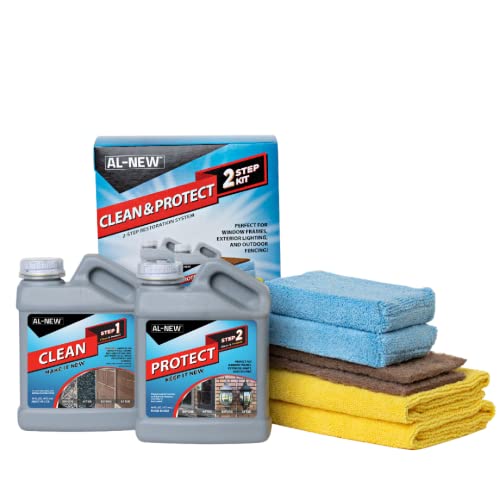
To protect against future wear, consider applying a specialized sealant designed for metal surfaces after the furniture has dried completely. This adds an extra layer of defense against the elements and prolongs the lifespan of the pieces.
Steps for Maintaining Outdoor Metal Seating
Begin with a soft-bristle brush to remove loose dirt and debris from the surface. This prevents scratching during the washing process. Use a mixture of mild soap and warm water for the cleaning solution.
Detailed Cleaning Procedure
- Dip the brush into the soapy water and gently scrub the furniture.
- Pay special attention to crevices and joints where dirt can accumulate.
- Rinse thoroughly with a hose to eliminate all soap residue.
- Wipe down with a microfiber cloth to prevent water spots.
Additional Care Tips
- For stubborn stains, create a paste using baking soda and water, apply it, and scrub lightly.
- Inspect regularly for signs of rust; treat with a rust-inhibiting spray if found.
- Use a protective cover during harsh weather conditions to extend lifespan.
Perform this routine seasonally for optimal preservation and appearance.
Gather Necessary Supplies for Cleaning
Before tackling the task, I gather the following items to ensure a thorough cleanse of the outdoor settings:
- Soft scrub brush: Ideal for removing dirt without scratching the surface.
- Mild detergent: Opt for a gentle soap specifically designed for outdoor materials to prevent damage.
- Buckets: Use two–one for soapy water and another for rinsing, which streamlines the process.
- Garden hose: A regular hose helps rinse off soap efficiently, ensuring no residue remains.
- Microfiber cloths: These are perfect for drying surfaces and preventing streaks.
- White vinegar: This natural cleaner can eliminate stubborn stains and grime.
- Protective gloves: Wearing these keeps hands safe from cleaning agents and dirt.
Having these supplies ready simplifies the procedure and enhances the results. Preparation sets the stage for an effective cleaning session.
Remove Loose Debris from Furniture
Begin with a dry cloth or a soft brush to eliminate dirt, leaves, and other loose particles from the surface. Moving systematically across each piece ensures no area is overlooked. Pay particular attention to the grooves and crevices where debris tends to accumulate. A handheld vacuum with a brush attachment can effectively reach tight spots without causing scratches. If pollen or sand is present, using a microfiber cloth can help capture the fine particles more thoroughly.
For thoroughness, I recommend gently shaking any cushions or fabric elements to dislodge trapped dirt and dust. Once the loose materials are removed, the structure is prepared for a more detailed cleansing process that involves soap and water. Ensuring all loose remnants are cleared sets the stage for a more effective and polished finish in subsequent steps.
Prepare a Suitable Cleaning Solution
Mix a gentle cleaning agent with warm water. A combination of mild dish soap and water works efficiently without causing damage. Aim for a ratio of about two tablespoons of soap per gallon of water. This solution effectively removes dirt and grime without leaving harmful residues.
For tougher stains, consider adding white vinegar or baking soda. One cup of vinegar can be added to the soapy water for additional cleaning power. Alternatively, a paste made of baking soda and a small amount of water can be applied directly to the stained areas for effective spot treatment.
Test the solution on a small, inconspicuous area first to ensure no adverse reactions occur. Always wear gloves to protect skin during the cleaning process.
| Ingredient | Purpose |
|---|---|
| Mild dish soap | Removes dirt and grime |
| White vinegar | Enhances cleaning power |
| Baking soda | Spot treatment for tough stains |
| Warm water | Dilutes cleaning agents |
Scrub Surfaces with Soft Brushes
To effectively maintain the appearance of the outdoor seating, I employ soft brushes to gently scrub surfaces. These tools ensure that the finish remains intact while removing dirt and grime. I typically choose brushes with bristles that are not too stiff, as this prevents scratching or damaging the material. Circular motions work well for loosening debris in crevices and intricate designs.
For optimal results, I focus on one section at a time. It’s essential to avoid excessive pressure; instead, a light hand allows for effective cleaning without risk of harm. For areas where buildup has accumulated, I might spend a little extra time, ensuring that all traces of dirt are removed. Rinsing the brush regularly can help prevent the spread of dirt to other areas.
After scrubbing, I make sure to rinse the surfaces thoroughly. This removes any leftover cleaning solution along with loosened debris, leaving a fresh and polished look. Using a soft brush is crucial for maintaining the aesthetic appeal while ensuring longevity.
Handle Stains and Oxidation Issues
Addressing stains and oxidation effectively is vital for maintaining the aesthetics of outdoor settings. For stubborn stains, a mixture of baking soda and water creates a paste. Apply it directly to the affected area and let it sit for 10-15 minutes before scrubbing gently with a soft brush.
Removing Stains
- For rust stains, use a solution of white vinegar and water. Mix equal parts and apply to the stain, allowing it to soak for several minutes.
- Grease and oil stains can benefit from a degreasing dish soap. Apply it full strength on the spot and work it in with a damp cloth.
- For stubborn spots, a commercial cleaner specifically designed for outdoor assets can offer great results. Always follow the manufacturer’s instructions.
Dealing with Oxidation
Oxidation manifests as a dull appearance and can be remedied by using a specialized metal polish. Follow these steps:
- Ensure the surface is clean and dry before applying polish.
- Using a soft cloth, apply a small amount of polish and buff in a circular motion.
- Wipe off excess product with a clean cloth, revealing a restored shine.
Regularly addressing stains and oxidation not only keeps these pieces looking new but also prolongs their lifespan. Frequent maintenance will prevent accumulation, making future cleanup easier and more effective.
Rinse Thoroughly to Remove Cleaner Residue
After scrubbing surfaces and applying the cleaning solution, it is crucial to rinse thoroughly. This step ensures no cleaning product residue remains, which can lead to haziness or deterioration over time. Use a garden hose with a spray nozzle to direct a strong stream of water over every section, ensuring that all areas, including crevices, are covered.
Technique for Effective Rinsing
Start at the top and work your way down, allowing gravity to assist in flushing away the cleaning agent. Pay special attention to corners and intricate designs where residue may linger. If needed, repeat the rinsing process until the water runs clear and free of any soap suds.
Final Check
Once the rinsing is complete, visually inspect each piece to confirm that no traces of the cleaning solution remain. This precaution will help maintain the integrity and appearance of the structures for longer periods. Allow them to dry completely before exposing them to the elements or using them again.
Dry Furniture Properly to Prevent Water Spots
After washing the outdoor seating arrangements, it’s crucial to eliminate moisture effectively to avoid unsightly water spots. I use a clean microfiber cloth or soft towel to wipe each piece thoroughly. This method ensures that no water remains on the surfaces, which is vital for maintaining the finish.
For larger items, I prefer to use a leaf blower set to a low speed. This helps blow away any trapped water that might gather in crevices or decorative details. Following this, I always check the underside and any components that may not be easily visible.
Once dried, it’s beneficial to place the items in a well-ventilated area, ensuring proper airflow around all sides. This helps to eliminate any lingering moisture and reduces the chances of mold or mildew developing over time.
| Method | Description |
|---|---|
| Towel Drying | Use a microfiber cloth for thorough drying to prevent spots. |
| Leaf Blower | Utilize on low speed to clear water from crevices. |
| Ventilated Area | Position in a breezy spot to enhance drying process. |
By following these strategies, I ensure that my outdoor pieces remain pristine, protecting the surfaces and extending their lifespan.
Apply Protective Coating for Longevity
Select a high-quality protective sealant specifically designed for metallic surfaces. This will create a barrier against moisture, UV rays, and potential rust.
Follow these steps for application:
- Ensure the surface is completely dry and free from any cleaning agents or residues.
- Apply a thin, even layer of the protective product using a soft cloth or foam applicator.
- Focus on intricate designs and seams where moisture might collect.
- Allow the first coat to dry completely before applying a second layer for added protection.
- Inspect for areas that might need extra attention, especially those exposed to the elements.
Reapply the coating annually to maintain optimal protection and preserve the appearance of your outdoor items. Consider using a product with UV inhibitors for added safeguarding against sun damage.
FAQ:
What materials do I need to clean my cast aluminum patio furniture?
To clean your cast aluminum patio furniture effectively, you will need a few basic materials. First, gather a bucket, mild dish soap, and warm water. You will also want a soft cloth or sponge to avoid scratching the surface. For tougher stains, a soft-bristle brush can be useful. Additionally, having a garden hose on hand for rinsing off the furniture will be beneficial. If you encounter stubborn stains, a mixture of baking soda and water or a specialized aluminum cleaner may be necessary. Always ensure that you have these supplies ready before beginning the cleaning process.
How do I remove stains from cast aluminum patio furniture?
To remove stains from cast aluminum patio furniture, start by creating a cleaning solution with warm water and mild dish soap. Apply the solution with a soft sponge or cloth, focusing on the stained areas. If the stains persist, make a paste of baking soda and water. Apply this paste directly to the stain and let it sit for 10-15 minutes before gently scrubbing with a soft-bristle brush. Rinse the area thoroughly with water afterward. For more challenging stains, consider using a specialized aluminum cleaner according to the manufacturer’s instructions. Remember to always test any cleaner on a hidden area first to avoid damage.
Can I use bleach to clean my cast aluminum furniture?
It is not advisable to use bleach on cast aluminum furniture. Bleach can be harsh and may cause discoloration or damage to the finish of the aluminum. Instead, opt for a mild detergent mixed with warm water for routine cleaning. If you need to address tough stains or grime, there are safer alternatives such as baking soda or vinegar-based solutions. Always rinse the furniture well after cleaning to ensure no residue is left behind, as this can also lead to corrosion over time.
How often should I clean my cast aluminum patio furniture?
The frequency of cleaning your cast aluminum patio furniture can depend on several factors, such as how often it is used and the local environment. Generally, it is a good practice to clean the furniture at least once a season. However, if the furniture is exposed to harsh weather conditions, pollen, or other environmental pollutants, more frequent cleaning may be necessary. Regular maintenance not only keeps the furniture looking great but also helps prevent buildup that can lead to long-term damage. After cleaning, consider applying a protective coating to enhance durability.
What is the best way to protect my cast aluminum patio furniture after cleaning?
To protect your cast aluminum patio furniture after cleaning, consider applying a protective sealant or wax specifically designed for aluminum surfaces. After the furniture has been thoroughly cleaned and dried, apply a thin, even layer of the sealant using a soft cloth. This will help shield the aluminum from moisture and UV rays, reducing the risk of oxidation and fading. If your furniture has a powder-coated finish, check with the manufacturer for any specific care recommendations. It’s also a good idea to cover the furniture or bring it indoors during extreme weather conditions to further protect its finish.
What materials do I need to clean cast aluminum patio furniture?
To clean cast aluminum patio furniture, you will need several materials: a soft-bristled brush or sponge, mild dish soap or a specialized cleaner for aluminum, a bucket of warm water, and a hose for rinsing. If there are stubborn stains or dirt, you may also want to have a mixture of white vinegar and water or baking soda on hand to use as a gentle abrasive. It’s wise to avoid harsh chemicals or abrasive scrubbers, as they can damage the surface of the furniture.