Caleb Turner

To determine the origin of your seating or storage pieces, first examine any labels or tags affixed to them. Most reputable brands include their name, logo, and sometimes contact information directly on the item.
If no labels are visible, closely inspect the materials and craftsmanship. High-quality items often feature distinctive elements like dovetail joints, solid wood construction, or unique finishes indicative of specific brands. Online resources that catalog such characteristics can be invaluable in this process.


Engaging in discussions on furniture forums and social media platforms can yield insights from enthusiasts and experts who may recognize your item. Sharing photos and descriptions increases the likelihood of receiving accurate information about the maker.
Lastly, vintage pieces can be traced through design history. Researching furniture styles and trends by era can help pinpoint potential sources, especially if your item showcases popular patterns or features from a particular time period.
Identifying the Origin of Your Home Décor
Check for labels or tags attached to the piece. I often find hidden labels on the underside of chairs or inside drawers that display brand information.
Conduct a quick online search using any unique markings or numbers I discover on the item. Many websites and forums specialize in helping enthusiasts identify brands based on these details.
Engage with social media groups dedicated to antiques or modern designs. I share clear photos of the item, and members frequently provide insight or identify the source.
Visit local antique shops or furniture appraisal services for expert opinions. Many professionals can recognize styles and craftsmanship that point to specific builders.
Explore catalogs or archives from well-known furniture retailers; many have online resources to identify their products. Just browsing through these can reveal valuable information.
Utilize image recognition tools available online. Uploading a picture can sometimes yield instant results, linking to similar pieces and their origins.
Take note of the construction methods and materials used. Certain techniques are characteristic of specific eras or companies, which can help in narrowing down the possibilities.
Network with local artisanal groups or craftspeople; they often have knowledge of regional brands or trends, which might point I me toward the right direction.
Check for Manufacturer Labels or Tags
Inspect the underside or back of the item for labels or tags. Often, specific details regarding the brand, model, or serial number are available there. Look for fabric tags, which may provide insights into the company that crafted the piece.
Examine any symbols or codes present, as they might be registered trademarks of well-known manufacturers. If a tag is absent, consider the presence of any carved names or markings directly on the surface of the piece.
Researching Through Online Platforms
Once I identify the name or logo, I conduct an online search. Many manufacturers maintain websites showcasing their products. Additionally, social media platforms can be an excellent resource for updates and customer reviews of specific brands.
Consulting with Professionals
If the label is worn out or difficult to read, I often reach out to antique or furniture experts. They can sometimes provide valuable information based on the style or construction methods used in the item.
Research Common Furniture Maker Websites
I often turn to well-known furniture brands’ websites to gather information about specific pieces. Major companies usually provide extensive details about their products, including specifications, materials used, and design inspiration. Checking these sites can quickly reveal the style and provenance of a piece. Popular brands include IKEA, Ashley Furniture, Wayfair, and West Elm, each offering searchable catalogs and customer service assistance.
Utilize Online Marketplaces
<p Websites like Amazon and eBay host a multitude of sellers, many of whom list their items with brand information. Searching for a specific item on these platforms can lead to the desired details about the creator. Additionally, customer reviews often mention the brand and shared experiences with the product quality, which can be helpful.
Engage with Online Forums
<p Participating in online communities focused on interior design and home improvement can unveil hidden insights. Members often share their knowledge about various brands and their distinctive features. Sites like Reddit or specialized design forums are excellent places to ask questions and receive informative responses about specific pieces.
Utilize Online Image Search Tools
To identify a brand associated with your piece, I recommend using online image recognition resources such as Google Images or TinEye. These platforms allow you to upload a photo of your item, analyzing it against extensive databases to spot similar images.
Steps for Image Search
First, capture a clear and well-lit image of the item. Ensure the details are visible, including textures and any distinctive features. Next, visit an image search site and upload the photo. In moments, results will reveal visually similar items, potentially leading to valuable information about their origins.
Interpreting Results
After retrieving results, examine them carefully. Look for matches that include identifiable logos or design elements. Sometimes, information about a specific retailer or design emphasizes the item’s heritage. Additionally, user-uploaded content or forums might provide insights into the product’s background and its creator.
This method streamlines the research process, offering a practical approach to uncovering the history of your piece without extensive manual searching.
Examine the Construction Quality and Materials
Inspecting the construction quality and materials can reveal a lot about the origin of your piece. Look for the type of wood used–solid hardwood is often a sign of higher craftsmanship compared to particle board or low-density fiberboard.
Indicators of Quality
- Joint Types: Dovetail joints indicate superior workmanship, while staples may suggest lower quality.
- Finish: A well-applied finish not only enhances appearance but also reflects careful manufacturing practices.
- Weight: Heavier items are typically made from dense materials, signifying sturdiness.
Check for Material Authenticity
Examine labels or tags for material information. If absent, check for the feel and appearance of the surface. Natural materials like leather and solid wood usually have a unique texture that synthetic materials cannot replicate.
While assessing any piece, trust your instincts. A meticulously constructed item often showcases skilled artisanship, hinting at reliable and reputable origins.
Consult Furniture Identification Guides
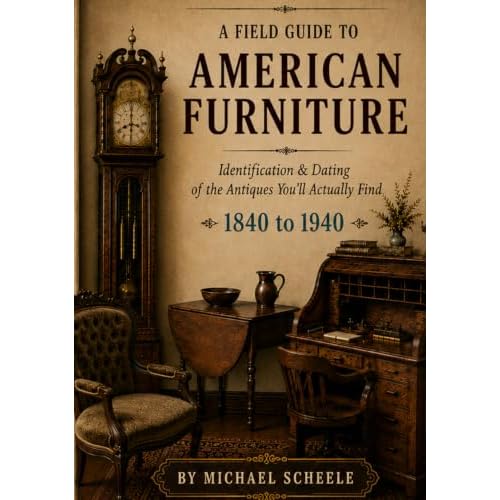
I recommend utilizing specialized identification guides when attempting to determine the origin of a piece. These resources often provide detailed insights into design characteristics, materials, and historical context. A few reputable sources include books dedicated to furniture history, online databases, and encyclopedic websites focused on antique and modern designs.
| Resource Type | Name | Description |
|---|---|---|
| Book | “Furniture Styles: A History” | Comprehensive resource documenting various styles and periods. |
| Website | Antiques Reference | A database for identifying furniture by style and time period. |
| Online Guide | “The Furniture Detective” | Offers articles and FAQs on identification and valuation. |
Cross-referencing the elements of your item with these guides can yield valuable clues. Pay close attention to features such as wood types, joinery techniques, and distinctive design motifs that may connect to specific eras or designers. This approach not only enhances knowledge but also enriches appreciation for craftsmanship.
Contact Retailers for Manufacturer Information
If the previous methods haven’t revealed the source, reaching out to retail establishments can be advantageous. Retailers often possess product catalogs or access to manufacturer databases.
Here’s how I approach this:
- Locate the retailer from which the piece was purchased or a similar retailer that carries comparable items.
- Provide specific details about the item, including style, color, and any unique features for accurate identification.
- Ask for information directly, stating my interest in understanding the origins of the piece.
Retail staff may also refer to manuals or other internal documents with valuable details. If initial inquiries don’t yield results, consider escalating the request to customer service or a store manager.
Sometimes, retailers can connect with suppliers or distributors for further information. Develop a list of potential stores, including both local and online options, to facilitate the process.
Persistence can lead to clarity on who crafted a specific design, especially if it is a well-known brand. Be prepared for some retailers to lack comprehensive knowledge, but do not hesitate to ask multiple staff members if necessary.
Utilizing this method can uncover valuable insights not readily available through conventional searches.
Join Online Forums and Communities
Participating in online communities dedicated to home décor and interior design offers a wealth of information. Sites like Reddit, Facebook groups, and specialized forums allow you to connect with enthusiasts and professionals who might have insights about specific brands or pieces.
Engage and Ask Questions
When I join these platforms, I actively engage by asking targeted questions about specific items. Describing details such as style, color, and any distinguishing features can lead to valuable feedback from members who recognize the piece. Sharing photos can also enhance responses.
Search Previous Discussions
Utilizing the search function in these forums can uncover threads where others have identified similar pieces. Browsing through archived posts may reveal details about brand history, quality indicators, and common characteristics that define particular makers, helping to narrow down options significantly.
Utilize Social Media for Manufacturer Insights
Identify brands by exploring platforms like Instagram, Pinterest, and Facebook. Follow pages dedicated to interior design, where users often tag companies in their posts, showcasing their products.
Use hashtags specific to your search, such as #midcenturymodern or #antiquecharm, which can lead you to relevant posts. Engage with users by commenting on their posts or sending direct messages for information about the source of pieces they display.
Facebook groups centered around home decor may also provide insights. Members frequently share their experiences and knowledge about various producers, allowing for real-time discussions and recommendations.
In platforms like Pinterest, pin images that captivate you, often including links to retailers or manufacturers. This can help trace back to original sources or similar items.
Lastly, consider participating in Reddit communities like r/furniture or r/interiordecorating. These forums are filled with enthusiasts who can assist you in tracking down less recognizable names or vintage styles.
| Platform | Strategy |
|---|---|
| Follow tags, engage with posts, directly message users | |
| Pin images, explore links to manufacturers | |
| Join groups, ask for recommendations | |
| Participate in discussions, inquire about specific items |
Visit Local Antique Shops or Appraisers
Exploring antique shops or consulting appraisers has proven advantageous for me in identifying the origins of various pieces. These venues often house knowledgeable staff familiar with different eras and styles, who can offer insights into craftsmanship, materials, and potential makers.
When I visit an antique store, I pay attention to any documentation or labels occasionally accompanying items. I engage with shop owners, sharing details or photographs of items I’m curious about; this often leads to informative discussions about likely creators.
Appraisers can provide expertise on particular designs or insignias that are characteristic of specific artisans. They evaluate not only aesthetics but also historical context, which can reveal much about a piece’s legacy and origin. Booking a session with an appraiser can yield detailed reports, pinpointing nuances that help me unravel the story behind each item.
Every interaction enriches my understanding of antique pieces, bridging the gap between appreciation and knowledge, thus making my quest to trace origins far more rewarding.