Caleb Turner

If you’re contemplating donating home decor items, you’ll be pleased to know that many nonprofit organizations, including thrift stores, generally welcome a variety of household goods. However, it’s crucial to verify the specific types of items they seek, as policies can vary by location.
In my experience, well-maintained pieces such as couches, chairs, tables, and dressers are typically accepted, provided they are in good condition. Scratches, stains, or any signs of wear might lead to refusal, so it’s wise to assess your items before making the trip.
Before you donate, contact your local branch to confirm their current needs and guidelines. They may have specific requirements or limitations, especially for larger items or those requiring assembly. Additionally, transportation of your donations can sometimes be arranged if you have larger pieces to contribute.
Furniture Donation Guidelines
It’s advisable to check the specific criteria for items the organization may receive. Generally, gently used, functioning, and complete pieces are more likely to be welcomed. Prioritize clean, well-maintained goods to improve chances of acceptance.

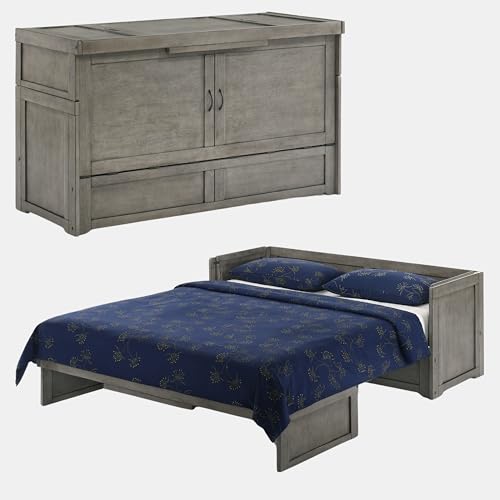
Types of Acceptable Items
Commonly received items include:
| Item Category | Details |
|---|---|
| Sofas | Must be free of stains or tears. |
| Chairs | Dining and lounge chairs in good condition are favored. |
| Tables | Coffee tables and dining tables should be sturdy and intact. |
| Dressers | Require full structure; drawers should function properly. |
| Bed Frames | MUST be complete and bed-sized. |
Items Typically Not Accepted
Avoid bringing the following:
| Item Type | Reason |
|---|---|
| Damaged or Broken Goods | Cannot be resold or refurbished. |
| Mattresses | Health and safety regulations commonly restrict donations. |
| Bed Frames Without Hardware | Incomplete items are not marketable. |
| Commercial Office Furniture | Items not suited for home use are often declined. |
For a smooth donation process, call ahead to verify details based on location. This ensures compliance with local guidelines and reduces wasted trips.
Types of Furniture Goodwill Typically Accepts
I can help outline the categories of items that are generally welcomed at donation centers. Most locations will usually take gently used items like sofas, chairs, tables, and dressers. Pieces should exhibit no major wear and tear, stains, or significant damage.
Living Room Essentials
In the living room category, you can typically donate sectionals, recliners, coffee tables, and entertainment units. Ensure that sofas and chairs have all their legs intact and do not have rips or odors.
Bedroom Furnishings
For bedrooms, items like bed frames, nightstands, and dressers are commonly accepted. Mattresses are often not eligible unless they are in pristine condition or packaged. Check with the local center for specific guidelines on their policies.
Condition Requirements for Donated Furniture
I recommend that items are in gently used condition. Furniture should have minimal signs of wear such as scratches, stains, or odors. If pieces are visibly damaged or structurally unsound, it’s best to reconsider their donation.
Specific Guidelines
Wooden items should be free from deep scratches or significant dents, while upholstered pieces need to be clean and intact, without rips or heavy stains. Mattresses must be stain-free, in good shape, and preferably accompanied by a protective covering.
Additional Considerations
Functional components should be in working order; for instance, recliners need to recline smoothly, and drawers should open and close without issues. Complete sets or matching pieces are often appreciated more than single items, enhancing their appeal for potential buyers.
How to Schedule a Furniture Donation Pickup with Goodwill
To arrange for a collection of items from your location, visit the official website. Look for the “Donation Pickup” section, where you can easily fill out a request form. Provide necessary details such as your contact information, address, and a brief description of the items to be collected. Ensure that you indicate your preferred date and time for the pickup.
Online Scheduling Steps
Follow these steps for a smooth online booking process:
- Access the donation section on the website.
- Complete the form with accurate information.
- Select a suitable date from the available options.
- Submit the request and await confirmation via email or phone.
Phone Scheduling Options
If you prefer speaking directly to someone, call the local donation center. A representative will assist you in scheduling the pickup. Have your details ready, including the item descriptions and your address, to facilitate the conversation.
| Method | Details |
|---|---|
| Online | Fill out the donation request form on the official site. |
| Phone | Call the local center to arrange for a pickup. |
Keep track of your scheduled appointment and ensure the items are ready for the collection team on the agreed day. This helps in a smooth exchange and supports the foundation effectively.
Locations of Goodwill Drop-off Centers for Furniture
To find locations where you can donate household items, including larger pieces, utilize a local branch locator on their official website. This tool will provide addresses and contact information for each site, ensuring convenience for your donation process.
Tips for Finding Nearby Drop-off Centers
- Use your zip code for more precise results.
- Check hours of operation to ensure the center is open during your visit.
- Call ahead if you have specific questions regarding accepted items or quantity limits.
Common Locations for Donations
Typically, donation sites are located in:
- Urban areas, providing easier access for residents.
- Suburban shopping centers, where larger spaces are available.
- Community centers that often host charitable events.
Utilizing these resources will facilitate a straightforward donation experience and help support valuable community programs. Always verify specifics for your nearest location to ensure your contributions align with their needs.
What to Avoid When Donating Furniture to Goodwill
Avoid donating items that are heavily worn or damaged. This includes furniture with broken parts, significant stains, or unpleasant odors. Such pieces are often unsuitable for resale and may be discarded instead of repurposed.
Stay clear of items that don’t align with the organization’s mission. Certain types of furniture, like large entertainment centers or items that are not easily transportable, may not be accepted due to logistical constraints.
Don’t Overlook the Regulations
Regulations differ by location. Always check local guidelines related to donations. Items that may be acceptable in one area could be restricted in another due to various laws or storage capabilities.
Be Mindful of Safety Standards
Furniture that fails to meet safety standards, such as cribs that lack proper safety labels or seats that are not structurally sound, should not be offered. Ensuring that donated items are safe for use is a top priority.
Lastly, avoid including personal items or accessories that were part of the furniture, such as cushions or hangers, unless they’re specifically required to enhance the main piece’s functionality. Keeping donations straightforward allows for smoother processing and aids in their speedy redistribution.
Tax Deductions for Donating Furniture to Charity
When making a contribution of household items, one can receive tax benefits. The Internal Revenue Service (IRS) allows deductions for items donated to qualified organizations. It’s important to keep accurate records of your contributions and their fair market value.
Assessing Fair Market Value
The fair market value is the price a buyer would pay for the item in its current condition. Utilize resources such as online marketplaces or thrift stores for valuation comparisons. For large items, consider using valuation guides that provide estimated prices based on condition and market demand.
Documentation for Deductions
Always obtain a receipt from the charity upon donation. This receipt should list the items donated and their estimated values. Additionally, take photographs and maintain a detailed inventory to support your claims. If the total value of non-cash contributions exceeds $500, complete IRS Form 8283 to report the donation. Seek guidance from a tax professional for more complex situations, especially if items are appraised over $5,000.
Alternatives to Goodwill for Furniture Donation
I recommend exploring local charities and organizations that appreciate used items. Here are several alternatives you might consider:
- Salvation Army: Their locations often accept various household pieces. They also provide pick-up services for larger items in many areas.
- Habitat for Humanity ReStores: This organization specializes in home improvement goods and will gladly receive donations of gently used home furnishings and appliances.
- Local shelters: Women’s shelters, homeless shelters, and veteran organizations frequently need household items, especially in good condition.
- Facebook Marketplace/Local Buy & Sell Groups: Listing items for free can help someone in need, while connecting you with your community. Be sure to mention the items are free to ensure a quick pickup.
- Freecycle: This network allows members to give away unwanted items within their community. It’s a grassroots movement of people who are giving and receiving freely.
- Urban Renewal Charities: Check for local charities focused on community assistance, as they often accept and redistribute used furnishings.
- Veterans organizations: Several groups focus on helping veterans and may appreciate receiving household items to support their members.
Research these options to find those that align with your values and serve your community effectively. Verify their acceptance policies online or via a quick phone call to confirm what they currently need.
Impact of Donating Furniture on Local Communities
Donating household items benefits local neighborhoods significantly. This action fosters a sense of connection among community members while providing essential resources to those in need.
Here are some key impacts of donating essential home items:
- Support for Low-Income Families: Many individuals and families struggle to afford basic furnishings. Contributions equip them with necessary items, enhancing their quality of life.
- Job Creation: Organizations that manage item donations often require staff for sorting, distribution, and retail operations, which can provide employment opportunities within the community.
- Environmental Sustainability: Reducing waste by recycling household goods limits landfill overflow. This aligns with eco-friendly practices, promoting a healthier planet for all residents.
- Community Building: Donation drives and events foster engagement among residents, encouraging neighborhood pride and collaboration.
- Skills Development: Many charitable organizations offer training and volunteering opportunities, helping individuals build skills and gain experience that can aid in future employment.
Participation in donation programs creates ripple effects throughout the community, enhancing social cohesion while addressing pressing needs. It’s a straightforward way to help, and the benefits go beyond the initial act of giving.