
 Caleb Turner

If you’re looking for a practical method to keep your seat pads safe, consider utilizing waterproof storage bins. These containers effectively safeguard textiles from moisture, dust, and UV rays, ensuring longevity and keeping them in pristine condition.
Another recommendation is to opt for custom-made cushions covers that include weather-resistant materials. These not only provide an extra layer of protection when storing but also minimize the hassle of maintenance throughout the season.
Utilizing vertical space can also enhance organization; wall-mounted racks or hooks can be an excellent way to display or store your padding away from potential damage. This method keeps them accessible while optimizing storage areas.
Don’t overlook climate-controlled garages or sheds either. In colder months, maintaining a steady environment can prevent mold and other issues associated with humidity fluctuations. Select a spot that is shaded and dry to ensure that your accessories stay in the best possible condition.

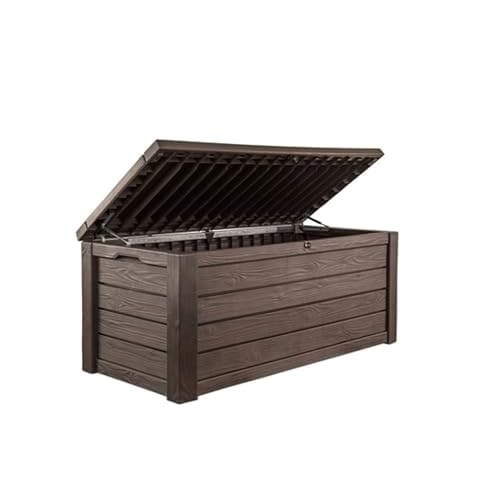
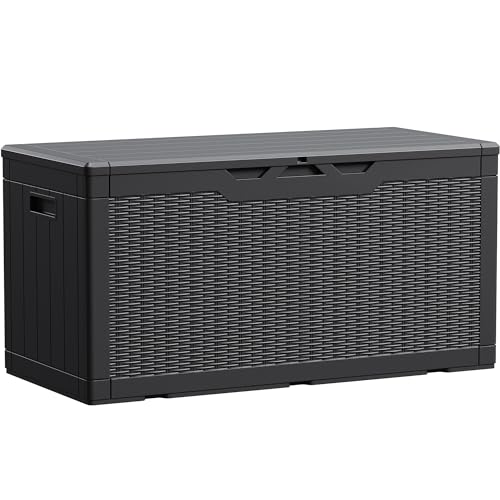
Optimal Locations for Keeping Seat Pads
I recommend placing seat pads in a dry, ventilated space, such as a storage shed or garage. This prevents moisture buildup and protects them from pests.
If indoor options are limited, consider utilizing waterproof storage bins or containers. These can be kept on a patio or balcony, provided they are secure from exposure to heavy rain.
For those who prefer outdoor solutions, a custom bench or designated storage trunk that complements your patio set is ideal. Look for one with good drainage features to ensure any rainwater doesn’t accumulate inside.
During winter months, I suggest bringing all materials indoors. A dedicated space, like a closet or an attic, will make sure they remain intact until warmer seasons return.
Regularly check on the conditions of these areas to help maintain the longevity of your seat pads, ensuring they remain fresh and ready for use.
Choosing the Right Storage Location
I recommend placing your soft seating pads in a sheltered area that minimizes exposure to moisture. A garage or basement works well, as they typically maintain a stable temperature and humidity level. If these options aren’t available, consider using a weather-resistant box on your patio.
Ensure easy access for convenience; this allows for quick setup when you want to enjoy outdoor relaxation. It’s helpful to position the storage unit near the seating area, preventing the hassle of unnecessary trips.
Avoid areas that are prone to temperature fluctuations, like attics or uninsulated sheds, as extreme conditions can damage the materials over time. In addition, keeping them out of direct sunlight is crucial to preventing fading or deterioration.
If your space is limited, look for multi-functional furniture that includes built-in storage. This not only saves space but also keeps your cushions neatly tucked away when not in use.
Also, consider using breathable bags or covers to allow air circulation while maintaining protection from dust and moisture. This small step can significantly extend the life of your items.
Weatherproof Storage Options
Consider waterproof bins made from high-density polyethylene for reliable protection against moisture and pests. These containers come with airtight lids that prevent water infiltration, ensuring your items remain dry and free from mildew.
Material Choices
Rot-resistant wood is another solid option, specifically treated to withstand harsh elements. Look for cypress or teak, which are not only durable but also add aesthetic value to your space. Metal sheds, especially those with rust-resistant coatings, provide a robust solution but ensure proper sealing to block any moisture ingress.
Space Optimization
Utilize vertical storage solutions such as racks or hanging systems that take advantage of wall space. This approach keeps items elevated and reduces ground moisture exposure. Incorporate multi-functional furniture, like benches with built-in compartments that allow for efficient usage without compromising comfort.
| Storage Option | Material | Moisture Resistance |
|---|---|---|
| Waterproof Bin | High-density Polyethylene | Excellent |
| Wooden Chest | Rot-resistant Wood | Good |
| Metal Shed | Rust-resistant Metal | Very Good |
| Vertical Rack | Various (steel, plastic) | Depends on Material |
| Multi-functional Bench | Wood/Plastic | Moderate to Good |
Space-Saving Solutions for Small Areas
I recommend utilizing vertical space efficiently. Consider installing wall-mounted racks or shelves to hold items securely, freeing up ground area. These solutions can turn an unused wall into practical storage without encroaching on your limited square footage.
Multi-Functional Furniture
Investing in furniture that doubles as storage is highly beneficial. Look for benches or tables with built-in compartments for placing your gear. This way, you can combine seating and storage seamlessly, optimizing your area.
Under-Utilized Areas
Examine locations like beneath seating arrangements or in narrow corners. Using rolling bins or slim containers can make these spaces work for you, allowing for easy access without sacrificing aesthetics. Here are some clever ideas:
- Use stylish storage ottomans; they offer seating while concealing belongings.
- Install hooks on walls or fences to hang items off the ground.
- Choose stackable bins that can be neatly stored away when not in use.
- Utilize the area under patio tables for shallow storage boxes.
By maximizing available space and integrating storage with design, it’s possible to maintain an organized and inviting area, regardless of size.
Using Storage Bins for Cushion Protection
I recommend using durable storage bins as an effective solution for holding your soft seating pieces. These containers can keep the items dry, clean, and organized while minimizing exposure to the elements. Choose bins made from high-quality, waterproof materials to ensure that moisture doesn’t penetrate and lead to mold or mildew.
Choosing the Right Size
Measure the dimensions of your padding before selecting containers. Opt for bins that are slightly larger than the items to avoid compression, which can damage the padding. This extra space allows for easy access and reduces the risk of wear.
Labeling for Easy Identification
Utilizing labels on each bin helps quickly identify the contents. Whether you decide on a color-coding system or simple tags, this method streamlines the retrieval process. I find that knowing exactly where each piece is stored saves time and frustration during setup or cleanup.
Indoor Storage Ideas for Seasonal Changes
Transitioning furniture protection indoors can be straightforward with a few strategic choices. Consider utilizing under-bed storage, which maximizes space while keeping items out of sight. Invest in storage bags designed for larger items; these can be compressed to save room, making them ideal for closets.
Creative Use of Vertical Space
Make the most of vertical areas by using wall-mounted racks or shelves. This method allows you to keep larger items safely elevated and out of the way.
- Install hooks on the wall for hanging larger pieces.
- Use tall shelving units to stack items securely.
- Consider baskets on shelves for smaller accessories or decorative items.
Multi-Functional Furniture
Incorporate multi-functional pieces into your indoor space. Ottomans or benches that open up offer hidden compartments for offseason necessities.
- Choose a bench with a cushioned top that serves as seating.
- Opt for an ottoman that can also hold throws or lighter items.
These practical solutions not only keep your home organized but also provide additional seating or surfaces when needed. Prioritize accessibility, ensuring that you can easily retrieve items as seasons change.
Elevating Cushions Off the Ground
Consider using elevated platforms or racks to keep your seat padding off the floor. This approach prevents moisture from seeping in and promotes airflow, which helps reduce the chances of mold and mildew development.
Here are some practical solutions:
- Storage Racks: Look for adjustable shelving units that can hold multiple sets of padding. Metal or plastic options are often weather-resistant and perfect for outdoors.
- Hanging Solutions: Use hooks or wall-mounted organizers to hang cushions. This method keeps them visible and easily accessible.
- Deck Boxes with Elevated Design: Some outdoor storage boxes have raised bases, allowing water to flow away from the contents. Opt for durable materials that withstand the elements.
- DIY Platforms: If you’re handy, building small wooden platforms or pallets can create a customized solution for your space, allowing for ventilation underneath.
For maximum protection, ensure that any method chosen allows for air circulation around the materials. Investing in these options can save time and effort in the long run, keeping items in prime condition for use. Regularly inspecting the setup will help identify and mitigate any potential moisture issues quickly.
Maximizing Ventilation to Prevent Mold
To effectively reduce moisture buildup, it’s crucial to keep items in well-ventilated areas. I recommend using breathable storage options like mesh bags or containers with ventilation holes. This allows air circulation, which is essential for moisture control.
Placing items in an elevated position can also aid in airflow. Shelving is ideal, as it permits air from all sides. If using bins, choose those designed specifically with slits or holes for airflow.
Consider regular inspections; I check my stored items periodically to ensure no dampness has formed. If I notice any signs of moisture, I immediately take steps to rectify the situation by increasing ventilation.
Utilizing dehumidifiers or moisture absorbers in enclosed spaces can further enhance airflow. Products such as silica gel or activated charcoal effectively draw out excess moisture, complementing airflow strategies.
Avoid tightly packed storage options that restrict airflow. If necessary, separate items to encourage space between them, allowing air to flow freely and preventing mold growth. Keeping everything organized not only maximizes air circulation but also makes it easier to retrieve items when needed.
Identifying Best Practices for Cushion Care During Storage
Always clean items thoroughly before placing them in a protected environment. Use mild soap and water for surface cleaning, and allow them to dry completely to avoid moisture buildup.
Proper Folding Techniques
When preparing these textiles for storage, fold them neatly to avoid creasing. Stacking can lead to permanent indentations. Consider rolling them instead to maintain shape and maintain a neat appearance.
Protective Measures
Add a layer of protection by incorporating breathable covers, preventing dust and dirt accumulation while allowing air circulation. Avoid plastic wraps as they trap moisture and encourage mold growth.
| Preparation Steps | Description |
|---|---|
| Cleaning | Mild soap and water with thorough drying. |
| Folding | Neatly fold or roll to prevent creasing. |
| Covering | Use breathable materials to shield from dust. |
Placement in a dry and ventilated area minimizes potential damage. Avoid damp basements or attics where humidity can accumulate.
Implementing these practices extends the lifespan of your investment and keeps items in pristine condition for future use.


