
 Caleb Turner
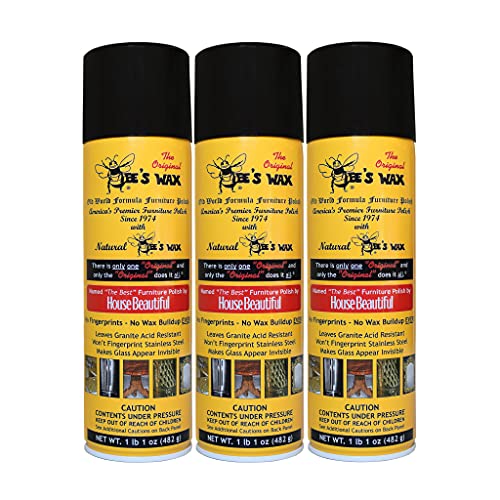
Choosing a quality solution can dramatically enhance the appearance of treated surfaces. I recommend trying a mix of mild soap and water for light dusting and everyday maintenance. This simple solution effectively removes grime without risking damage.
For deeper cleaning, consider products containing natural oils, like jojoba or lemon oil. These not only clean but also nourish the grain, maintaining a rich appearance. Stay away from harsh chemicals, as they can strip protective finishes and alter wood colors.

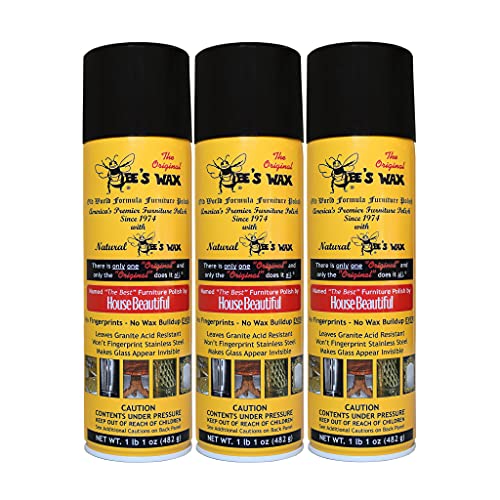

If you need to address stubborn stains or sticky residue, a specialized formulation designed specifically for these challenges works wonders. Brands like Murphy’s Oil Soap or Bona offer reliable options that restore the beauty of wood while being gentle on finishes.
After cleaning, applying a quality wood conditioner can help protect the surface and enhance its shine. Always test any solution in an inconspicuous area first to ensure compatibility with your specific piece.
Recommended Solutions for Cleaning Wooden Surfaces
For maintaining the appearance of natural surfaces, I find that a combination of vinegar and olive oil works wonders. Mixing one part vinegar with three parts olive oil creates a powerful solution that not only cleans but also nourishes. Apply it with a microfiber cloth for best results.
Another effective option is using a commercially available product specifically designed for treating wooden materials. Look for formulas that include natural oils and waxes, as these ingredients help enhance shine while providing protection.
- A mixture of lemon juice and vegetable oil in equal parts can also be beneficial. It effectively cuts through grime and leaves a pleasant scent.
- Baking soda, when combined with water to form a paste, can tackle stubborn stains. Apply it gently, then wipe away the residue.
It’s important to avoid products containing ammonia or harsh chemicals, as these can damage finishes over time. Always test new solutions on an inconspicuous area before application.
Regular cleaning with these methods can prolong the life of your cherished pieces, ensuring they remain beautiful and functional for years to come.
Understanding Different Types of Wood Cleaners
Natural solutions such as olive oil mixed with vinegar resonate well, offering a non-toxic approach while nourishing surfaces. I blend one part vinegar with two parts olive oil, applying it with a soft cloth to remove dirt and add shine.
Commercial Options
Commercial products vary widely. One option includes sprays formulated to tackle grime without leaving residues. These often contain surfactants that break down oils and dust, ensuring an even surface finish. Always check for compatibility with the specific kind of finish on your item.
Specialized Formulations
Specialized mixtures address unique needs like rejuvenating finishes or removing specific stains. I favor those aimed at oiled or waxed surfaces to maintain their integrity. Products with beeswax not only clean but also condition, preserving the natural luster while providing a protective layer against future wear.
Natural Ingredients vs. Chemical Solutions
Opting for natural solutions like vinegar, olive oil, or lemon juice has significant advantages. Vinegar, when mixed with water, effectively removes dirt and grime without leaving harmful residues. Olive oil adds a protective layer, enriching the surface while enhancing its shine. Essential oils such as lavender or tea tree can be added to these mixtures, offering pleasant scents and additional antimicrobial properties.
On the other hand, synthetic products often promise quick results. They may contain powerful agents that break down tough stains rapidly, yet the potential health risks and long-term effects on the environment cannot be overlooked. Many contain volatile organic compounds (VOCs) that can release harmful fumes, affecting indoor air quality.
Cost-effectiveness leans toward natural mixtures as well. Common household items can be combined to create effective solutions at a fraction of the price of commercial products. Additionally, I find that using natural formulations maintains the integrity of surfaces over time, as they are less abrasive and do not strip away protective finishes.
Personal preferences and sensitivities play a significant role in the choice between these options. Some might prefer the strength of chemicals due to stubborn stains, while others may prioritize eco-friendly choices and avoid potential allergens. Testing a small area before full application is prudent, regardless of the selected method.
Ultimately, my experience suggests that a blend of both approaches works well. Using natural solutions for routine maintenance can preserve surfaces effectively, while reserving chemical products for particularly challenging tasks ensures all bases are covered.
Choosing a Cleaner Based on Finish
Selecting a suitable product hinges on the finish applied to the surface. Different treatments require distinct care approaches to maintain their integrity and appearance. For varnished surfaces, an oil-based or mild solution works best, while latex finishes benefit from water-based options. Thoroughly inspect the finish type before cleaning.
Oiled Finishes
For pieces with oiled finishes, a cleaner composed of natural oils can rejuvenate and protect the surface without stripping away the existing sheen. Products containing tung or linseed oil nourish the wood, enhancing its natural luster. Avoid abrasive agents as they can damage the finish.
Lacquer and Shellac
When dealing with lacquered or shellacked surfaces, opt for a gentle solvent-based mixture designed for such finishes. These cleaners evaporate quickly, minimizing potential damage. Always test on an inconspicuous area to ensure compatibility and prevent adverse reactions.
DIY Cleaner Recipes You Can Try at Home
I recommend a simple mixture of vinegar and olive oil. Combine 1 part white vinegar with 2 parts olive oil in a spray bottle. Shake well before use. This solution not only cleans but also nourishes, leaving surfaces shiny. Apply it with a soft cloth in a circular motion, then buff with a clean, dry rag.
Another effective option includes mixing equal parts of lemon juice and olive oil. This combination works wonders for removing grime and adds a pleasant citrus scent. Use the same application method as above for a streak-free finish.
For a more specialized approach, consider creating a soap and water blend. Use a mild liquid soap, mixing a tablespoon with warm water. Dampen a cloth with the solution, wring it out, and gently wipe surfaces. Make sure to follow with a dry cloth to prevent moisture absorption.
Here’s a quick reference table:
| Recipe | Ingredients | Application Method |
|---|---|---|
| Vinegar & Olive Oil | 1 part vinegar, 2 parts olive oil | Spray and buff with a cloth |
| Lemon Juice & Olive Oil | Equal parts lemon juice and olive oil | Apply with a cloth and buff |
| Soap & Water | 1 tbsp mild liquid soap, warm water | Damp cloth application, dry with a clean cloth |
Experimenting with these mixtures gives control over the ingredients used and customizes the scent and effectiveness based on personal preferences. Always test new solutions on a hidden area first to ensure compatibility with surfaces. Regular maintenance with these home recipes keeps surfaces looking their best.
Tips for Properly Applying Wood Cleaner
Before using any product, read the label to understand the instructions and precautions. Always test any solution on a hidden area to ensure compatibility with the surface.
Application Techniques
- Use a microfiber cloth or soft sponge to avoid scratching the surface.
- Apply the solution in small sections. This prevents the product from drying before being wiped off.
- Always follow the direction in a circular motion. This helps in lifting dirt and debris effectively.
Frequency and Maintenance
Regular maintenance is crucial. Consider cleaning every few months or whenever you notice dust or stains. This not only extends the life of the finish but also keeps the appearance fresh.
- Dust surfaces weekly with a dry cloth to minimize buildup.
- For stubborn stains, allow the cleaner to sit for a few minutes before wiping.
- Avoid excessive moisture; use just enough solution to dampen the cloth.
Ensure proper ventilation in the area while working with cleaners, especially those with strong scents or chemicals. This practice promotes safety and reduces inhalation of harmful substances.
Finally, always follow up with a dry cloth to remove any residue after applying the cleaner. This step leaves the surface polished and ready for use.
Maintaining Your Furniture After Cleaning
To prolong the beauty and lifespan of your pieces, I recommend applying a high-quality polish after cleaning. This not only restores luster but also creates a protective layer against future grime and scratches.
Regularly dusting surfaces with a microfiber cloth helps avoid buildup that can dull finishes. I often do this weekly to keep everything looking pristine. For deeper maintenance, consider a conditioning treatment every few months. This enhances the natural grain and nourishes the material.
Ensure that humidity levels in your environment are stable, ideally between 40-60%. Extreme fluctuations can lead to warping or cracking. A humidifier in dry seasons can be beneficial, while a dehumidifier may be necessary in overly moist conditions.
For additional protection, use coasters and mats under items that could scratch or stain. I find that placing felt pads under heavy objects prevents unsightly indentations.
In case of spills, it’s vital to address them immediately. Blotting (never rubbing) with a soft cloth minimizes damage. After blotting, applying a very light dab of a suitable conditioning oil can help restore any affected area.
FAQ:
What ingredients should I look for in a wood cleaner for furniture?
When selecting a wood cleaner, look for ingredients that clean without damaging the finish. Natural oils, such as lemon or orange oil, can nourish and shine wood. Ingredients like vinegar are effective for cutting through grime but should be used in moderation since they can be harsh. A cleaner containing beeswax can help protect the wood and give it a lovely sheen without leaving a residue.
Are natural wood cleaners as effective as commercial ones?
Natural wood cleaners can be highly effective, depending on their formulation. Many people prefer natural cleaners because they are free from harsh chemicals and solvents that can harm both the wood finish and the environment. While commercial products might offer stronger cleaning capabilities for tough stains, natural alternatives often do a good job for regular maintenance and everyday cleaning. It can be beneficial to test both types to see which works better for your specific needs.
What is the best way to apply wood cleaner to ensure optimal results?
To ensure the best results when applying wood cleaner, always follow the manufacturer’s instructions. It’s often recommended to use a soft, lint-free cloth or microfiber cloth. Apply the cleaner to the cloth rather than directly on the wood, which prevents over-saturation and potential damage. Work in small sections, gently buffing the surface in the direction of the wood grain, and then wipe off any excess cleaner for a clean finish.
How often should I clean my wood furniture with a cleaner?
The frequency of cleaning your wood furniture depends on several factors, such as its location and usage. Generally, it is advisable to clean wood furniture every few months to maintain its appearance and prolong its life. Dining tables or functional pieces that see regular use may require cleaning every month. Regular dusting can also help minimize the need for deep cleaning, so incorporating a routine of both can keep your furniture looking its best.
Can I use furniture polish as a wood cleaner?
Furniture polish is primarily designed to enhance the shine of wood and provide a short-term protective layer rather than serve as a cleaner. While some polishes contain cleaning agents, they may not effectively remove built-up dirt, grime, or stains. If you need to clean your furniture, it’s advisable to use a dedicated wood cleaner first to remove any residues and then follow up with a polish for added shine and protection.


