
 Caleb Turner

While considering optimal solutions for maintaining wooden surfaces, I highly recommend using a product that combines natural oils with beeswax. This mixture not only nourishes the material but also provides a protective barrier, enhancing the sheen. Look for options featuring 100% organic ingredients to ensure safety and effectiveness.
Among various brands, the one named “Howard Citrus Shield” stands out due to its citrus oil content. This formula effectively cleans and revitalizes, leaving a pleasant aroma behind. I’ve found that it works remarkably well on both finished and unfinished surfaces, making it versatile for various wood types.
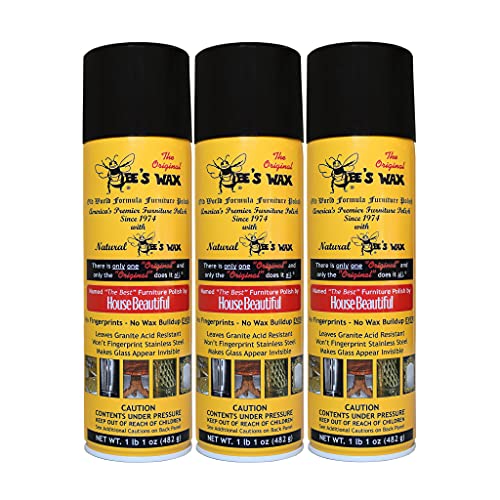

Another excellent choice is “Pledge Restore”. This product penetrates deep into the grain, rejuvenating the finish and helping to resist future smudges and stains. It’s particularly beneficial for older pieces, where moisture retention is key to maintaining integrity over time.
For those preferring a DIY approach, mixing equal parts vinegar and olive oil creates an effective cleansing solution that leaves wood gleaming. Just apply with a soft cloth to revive dull finishes, ensuring care without harsh chemicals. Regular application can lead to an enduring luster that enhances wood’s natural beauty.
Comparing Natural vs. Synthetic Furniture Polishes
Natural options such as beeswax, carnauba wax, or olive oil provide great shine while preserving the integrity of the surface. These substances are biodegradable, non-toxic, and safe for home environments, making them ideal for families and pets. I prefer beeswax for its excellent water resistance and ability to fill minor scratches, enhancing the wood’s appearance without harmful chemicals.
Synthetic alternatives often contain silicone or petroleum-based components, which can create a high-gloss finish and offer long-lasting protection. However, these can lead to buildup over time and may require harsh solvents for removal. I’ve observed that while synthetic products can provide immediate visual appeal, they sometimes mask underlying issues instead of nurturing the wood.
Application processes vary between these types. Natural solutions typically involve a gentle buffing method, allowing the wood to absorb nutrients. Synthetic variants often come in spray form, providing convenience but risking oversaturation, which can degrade finishes. I recommend starting with a small, inconspicuous area to assess compatibility before applying widely.
In terms of scent, natural options usually have pleasant, earthy aromas, enhancing the cleaning experience. Synthetic formulas might emit strong, chemical odors that can linger, which is another reason I lean towards natural alternatives. Overall, choosing between these layers of care involves balancing personal values regarding safety, environmental impact, and desired aesthetics for my home pieces.
How to Choose the Right Polish for Your Wood Type
Identify the specific species of timber before selecting a treatment. For softer varieties like pine or cedar, opt for a gentle formula that will not damage the surface. In contrast, hardwoods like oak or maple can withstand a bit more aggressiveness in a care solution.
Consider the finish already on the surface; whether it’s oiled, lacquered, or waxed impacts your choice. Use a matching product that aligns with the existing finish to prevent adverse reactions. For example, if a piece features a polyurethane finish, an oil-based treatment would not be suitable.
Review the ingredients list. Natural options, such as those containing beeswax or plant-based oils, are safer for antique pieces and sensitive environments. Synthetic ingredients serve well in high-traffic areas, providing a longer-lasting shine.
Pay attention to the scent; some mixes emit strong odors. If the application will take place in an enclosed space, opt for low-odor formulations to ensure comfort during use.
| Wood Type | Recommended Treatment |
|---|---|
| Pine | Natural oil-based formula |
| Oak | Polymerized oil |
| Cedar | Beeswax and essential oil mix |
| Mahogany | Lacquer-compatible product |
Observe how frequently the item is used. High-traffic surfaces benefit from products designed for durability, while occasional pieces can thrive with lighter treatments aimed at nourishment rather than protection.
Always test a small, inconspicuous area before applying any solution broadly. This ensures compatibility and allows for adjustments if needed. Focus on caring for your wooden items to maintain their beauty and longevity.
Step-by-Step Guide to Applying Furniture Polish
Begin with a clean surface. Dust off any particles using a soft microfiber cloth. This step ensures that scratches won’t appear during the application process.
Choose a suitable product and shake the container well. Test it on an inconspicuous area to ensure compatibility with the surface.
Apply a small amount of the solution onto a clean cloth or directly onto the surface. Use a circular motion, applying light pressure for even distribution. Avoid saturating the wood, as too much liquid can damage it.
Buffing and Finishing Touches
After applying, let the substance sit for a short period according to the manufacturer’s instructions. Buff the area gently with a dry, clean cloth to enhance shine and remove any excess product.
Regular maintenance is key. Consider repeating this process every 3 to 6 months to maintain the appearance of your items.
Additional Tips
Always wear gloves to protect your hands from chemicals. Ensure proper ventilation in the area while applying the solution. Store any leftover product in a cool, dry place to prolong its shelf life.
Common Mistakes to Avoid When Using Furniture Polish
Avoid using excessive amounts of product. Applying too much can leave streaks and make surfaces sticky, attracting dust and grime. Instead, a small amount goes a long way; a few drops is often sufficient.
Not Testing on a Hidden Area
Before applying any solution, test it on an inconspicuous spot. This helps to ensure compatibility with the finish and prevents potential damage or discoloration. I learned this lesson the hard way by applying directly to a visible area first.
Ignoring Manufacturer Instructions
Read and follow the guidelines provided by the manufacturer. Each mix may have specific recommendations regarding application techniques and drying times. Skipping this step can lead to suboptimal results or even harm to the surface.
Additionally, neglecting to buff properly after application can leave an undesired residue. Buffing with a clean, dry microfiber cloth enhances shine and improves overall appearance.
Top Recommended Polish Brands for Wood
My personal favorites include Murphy’s Oil Soap, known for its natural ingredients and gentle cleaning properties that enhance shine without leaving residues. Another excellent choice is Howard Restor-A-Finish, which not only cleans but also rejuvenates the surface, effectively covering up minor scratches and imperfections.
Minwax is notable as well; its variety of products caters to specific needs, making it a versatile option for any wooden surface. For those seeking an eco-friendly alternative, try BioShield’s Wood Cleaner and Refinisher, which uses natural oils and waxes, ensuring that surfaces remain protected without harmful chemicals.
Premium Selections
Bona offers a professional-grade solution that is especially suited for hardwood floors, while also providing a safe option for furniture finishes. Another remarkable brand is Guardsman, which specializes in providing protective formulas that resist stains and discoloration, ensuring durability.
Budget-Friendly Options
For cost-effective choices, Pledge provides reliable products that are widely available and easy to use, making it simple to maintain the beauty of wooden items. Lastly, Old English is excellent for preserving and nourishing finishes, adding a touch of luster to tired surfaces.
Tips for Maintaining Furniture Between Polishing Sessions
Regular cleaning and careful handling are key to keeping surfaces in pristine condition. Dusting surfaces weekly with a soft, lint-free cloth can prevent buildup that dulls appearance over time.
Daily Practices
- Use coasters under drinks to avoid rings and spills.
- Place felt pads under items like lamps or vases to prevent scratches during movement.
- Avoid direct sunlight exposure, which can fade and damage finishes.
Cleaning Techniques
- For general dirt, mix mild soap with water. Dampen a cloth and wipe surfaces, then dry immediately to prevent moisture damage.
- For tougher residues, a mixture of vinegar and water can work effectively, but always test on a small area first.
- Regularly check and tighten screws and joints to maintain structural integrity and prevent wobbling.
Maintaining finishes during non-polishing periods helps extend intervals between applications and keeps pieces looking fresh. Implement these steps for long-lasting vibrancy and protection.


