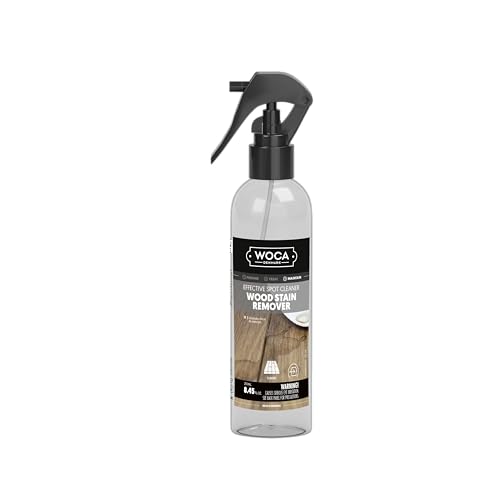
Caleb Turner
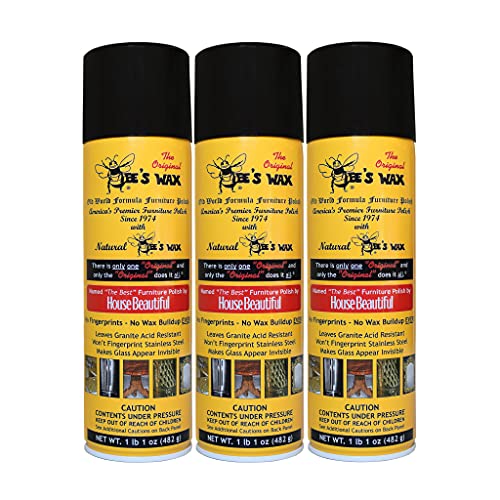
If you’re seeking a reliable option to maintain the luster of your polished surfaces, I highly recommend using a mixture of olive oil and vinegar. Combine two parts olive oil with one part white vinegar, apply a small amount on a soft cloth, and gently wipe the surface. This blend not only cleans effectively but also nourishes the grain.
For those looking for a more commercial product, I suggest exploring biodegradable formulations specifically designed for natural materials. These products often contain plant-based ingredients that efficiently eliminate dirt and grime without compromising the integrity of the wood.
In case of tough stains or sticky residue, a paste made from baking soda and water can be a game-changer. Gently rub this mixture onto the affected area with a microfiber cloth, then wipe clean with a damp cloth to restore shine.
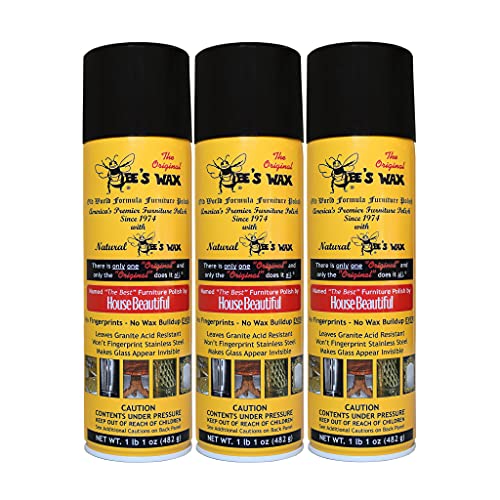

Maintaining cleanliness on your wooden items doesn’t have to be daunting. Regular upkeep with these methods ensures your pieces remain beautiful and enduring.
Choosing the Right Wood Cleaner for Different Finishes
Each finish on a surface requires specific treatment to maintain its integrity and appearance.
- Oil-Based Finishes: Opt for a gentle, oil-based product. These cleaners nourish the wood while removing dirt. Look for those containing natural oils like lemon or walnut.
- Varnished Surfaces: Use a pH-neutral solution that won’t damage the glossy coat. Avoid ammonia-based cleaners that can dull the finish. A mixture of mild soap and water works effectively.
- Shellac: For shellac finishes, select a cleaner that is solvent-based. Alcohol-based solutions can help ensure the finish remains intact without harming the surface.
- Lacquer: Choose a cleaner designed for lacquered surfaces. Non-abrasive, solvent-free options protect the finish while cleaning.
- Painted Finishes: Mild soap or diluted vinegar is suitable for painted surfaces. Ensure to test on a small area first to prevent damage to the paint.
Always conduct a patch test prior to full application to ensure compatibility with the existing treatment on your surfaces.
Ingredients to Look for in Wood Cleaners
Opt for natural oils such as linseed or citrus. These nourish the grain and leave minimal residue, promoting a lasting shine.
Consider surfactants derived from coconut or palm. They effectively remove dirt without abrasive action, protecting the surface from scratches.
Be cautious with synthetic solvents; instead, look for biodegradable alternatives. These are less harsh on finishes and are eco-friendly.
Avoid cleaners with ammonia or bleach; these can strip protective coatings and damage the natural finish over time.
| Ingredient Type | Benefits | Considerations |
|---|---|---|
| Natural Oils | Nourishment, shine | May require reapplication |
| Surfactants | Effective dirt removal | Ensure they are plant-based |
| Biodegradable Solvents | Eco-friendly | Performance may vary |
| Avoid Ammonia & Bleach | Prevents damage to finish | Safe for all surfaces |
Look for added components like beeswax or carnauba wax; these enhance protection against moisture and dirt buildup.
Check labels for pH-neutral formulations. These maintain the integrity of finishes without causing degradation.
By focusing on these elements, I ensure a safer and more effective approach to maintaining beautiful surfaces.
DIY Cleaning Solutions for Household Surfaces
I often create my own cleaning mixtures to maintain the integrity of wooden surfaces at home. Here are a few effective recipes you can try.
Vinegar and Olive Oil Mixture
Combine 1 cup of vinegar with 1 cup of olive oil in a spray bottle. This blend not only cleans but also conditions the surface, leaving a natural shine. Shake well before application, spray on a soft cloth, and wipe the area gently.
Soap and Water Solution
Mix a few drops of mild dish soap with a quart of warm water. Use a soft, damp cloth to clean the surface. This method effectively removes dirt and grime without harming the finish. Always follow up with a dry cloth to prevent excess moisture.
Experiment with these recipes and adjust the ratios based on your specific cleaning needs.
How to Test a Cleaner on a Small Area
I recommend choosing an inconspicuous spot on the item to assess the product’s effects. Apply a small amount of the solution using a soft cloth or sponge. Make sure to follow the manufacturer’s guidelines for dilution if the formula suggests it.
Steps to Conduct the Test
1. Clean the test area: Remove any dust or debris to ensure accurate results.
2. Apply the product: Use a soft cloth to gently rub the area with the cleaner, making sure to cover a small section about the size of a coin.
3. Observe the reaction: Wait at least 5-10 minutes. Check for discoloration, dullness, or changes in texture.
4. Wipe off: After the waiting period, clean the area with a damp cloth to remove any residue from the cleaner.
Evaluate the Outcome
If the surface appears unaffected, it is likely safe to use the cleaner on the larger area. However, if there are negative changes, consider trying a different product. It’s crucial to ensure compatibility with the finish before proceeding with more visible areas.
Best Practices for Cleaning Wood Furniture
Always dust surfaces with a microfiber cloth to prevent scratching. I recommend using a circular motion to lift dust effectively without pushing it into the wood’s grain.
For routine maintenance, lightly dampen the cloth with a mixture of vinegar and olive oil. This not only cleans but also conditions the surface, maintaining its natural luster.
Adopt a two-step process when deep cleaning: first, apply a suitable product, then buff gently with a clean, dry cloth to avoid streaks.
Consider the following tips:
- Test any product in an inconspicuous area before full application.
- Avoid soaking the wood; excess moisture can lead to damage.
- Steer clear of abrasive pads or harsh chemicals that can harm finishes.
For sticky residue or stains, use a 50/50 blend of vinegar and water. Apply with a soft cloth and rinse with a damp cloth afterward.
Regularly apply a natural wax or polish every few months to keep the surface protected and enhance its shine.
Store furniture away from direct sunlight and heat sources to maintain finishes longer.
Common Mistakes to Avoid When Cleaning Wood
Avoid using excessive moisture. Even though some guides recommend damp cloths, I’ve found that too much water can lead to warping and damage over time.
Don’t apply harsh chemicals. Products with ammonia or bleach can strip finishes and harm the surface. Instead, I opt for pH-balanced solutions that nourish and protect.
Be cautious with abrasives. Scrubbing pads or gritty cleaners can scratch the surface. I always use soft cotton cloths or microfiber to ensure a gentle touch.
Skipping the dusting phase is a common error. I make sure to remove dust before applying any solution. This prevents scratching during the cleaning process.
Using the wrong tools can also be detrimental. I prefer natural bristle brushes for crevices instead of synthetic options, as they are less likely to cause damage.
Rushing through the drying process is another mistake I’ve seen. After cleaning, I let pieces air dry completely; this avoids moisture buildup that could compromise integrity.
Ignoring the grain direction while cleaning offers subpar results. I always wipe in the same direction as the grain to prevent any potential damage and to achieve a polished look.
Neglecting regular maintenance can lead to bigger issues down the line. I schedule cleanings and oiling every few months to keep surfaces in top condition.