
 Caleb Turner

Choosing a cozy sofa is the first decision. A well-proportioned sectional or a compact loveseat can provide comfort while fitting into tight corners. Opt for durable fabrics that can withstand daily use.
Next, a multi-functional coffee table serves as a central gathering point. Look for designs with storage options or extendable features to maximize utility. This piece not only enhances aesthetics but also embraces practicality.
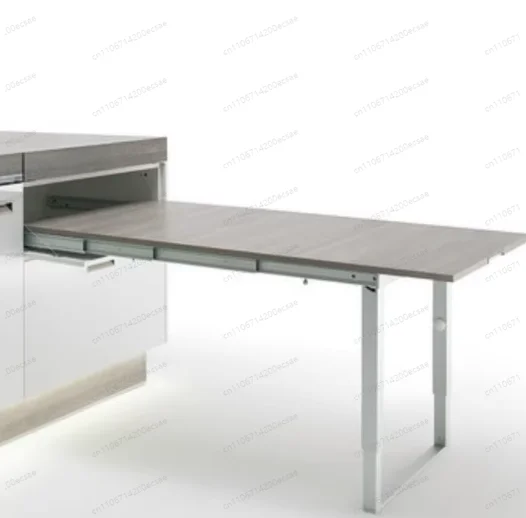


Don’t overlook the dining area; a compact dining set can transform any corner into a charming eating space. Selecting stackable chairs or a foldable table can save room and offer versatility for entertaining guests.
Storage solutions are vital; consider stylish shelving or well-organized cabinets to maintain order. These units can display personal items and keep essentials tucked away, adding to the overall design of your home.
Lastly, accent chairs can provide additional seating and style. Choose bold designs that complement your existing decor while offering comfort for guests. With these selections, achieving a balanced and functional environment becomes a simple task.
Recommended Items for Your Living Space
A comfortable sofa should be a priority. Select a model that suits your style and provides ample seating without overwhelming the room. Look for options with durable fabric.
Consider a versatile dining table that can accommodate guests while not consuming too much space. Extendable tables are a great solution for compact areas.
Adding a bed that matches your decor yet offers storage can be beneficial. Daybeds or frames with drawers maximize usage.
An armchair or accent chair can enhance your seating layout. Choose a piece with bold colors or patterns to serve as a focal point.
Storage solutions are key. Incorporate shelves and cabinets to keep belongings organized, ideally tailored in style to complement other elements.
Lastly, decorative lighting fixtures not only illuminate but also elevate the entire atmosphere. Opt for pendant lights or floor lamps that can double as art pieces.
Choosing the Right Sofa for Your Living Room
Consider the size of your space. Measure the area where the sofa will be placed, ensuring there’s enough room for movement and other pieces. A small sectional can optimize seating without overwhelming a compact area.
Pay attention to style. Your sofa should reflect the overall decor. Opt for modern lines for a contemporary feel or a classic style for a traditional ambiance. Select colors that complement your existing palette.
Assess material choices. Leather offers durability and a sleek appearance, while fabric provides comfort and a wider selection of patterns. Think about maintenance – some materials are more resilient against stains and wear.
Test comfort. Sit on multiple sofas to determine firmness and support. Consider how often guests will be over and if a softer, more casual option is preferable or a firmer seat is more appropriate for gatherings.
Evaluate functionality. If versatility is desired, explore options with built-in storage or convertible designs that can accommodate overnight guests. These features enhance practicality without sacrificing style.
Review pricing. Set a budget ahead of time and explore various brands to find a balance between quality and cost. Look for warranties that protect your investment, particularly with well-used items like sofas.
Selecting Functional Dining Sets for Small Spaces
Opt for a round table. This shape encourages conversation and can fit neatly in corners or nooks. Look for models with drop leaves to maximize surface area when needed.
Consider a folding or extendable design. An expandable option allows for adaptability during gatherings, while a folding table can be stored away when not in use.
Prioritize stacking chairs. Lightweight and stackable seating saves precious floor space when the set is not in use. Furthermore, incorporating benches can provide flexibility and accommodate more guests.
Select materials wisely. Choose light-colored or transparent finishes to create an illusion of space. Pair wood with metal for a modern touch while ensuring durability.
Incorporate integrated storage. Look for designs with built-in shelves or drawers. This can hold dining essentials without requiring additional pieces to clutter the area.
Match your style to décor. Pick a dining set that complements existing pieces in the room, promoting harmony without overwhelming the visual space.
Lastly, ensure comfort is a priority. Measure both table height and chair dimensions; comfortable dining experiences enhance gatherings and everyday meals alike.
Finding the Perfect Bed for Comfort and Space Optimization
Opt for a multi-functional bed that maximizes space, such as a lofted or Murphy design. These beds elevate sleeping areas, allowing for additional living or storage space beneath. Choose a model that suits your style while prioritizing practicality.
Consider Size and Dimensions
Measure your room accurately to ascertain the right size. Full, queen, or king options should match available space without overwhelming the environment. Ensure there’s enough clearance for movement around the bed and consider how it harmonizes with other pieces.
| Bed Size | Dimensions (inches) | Ideal for |
|---|---|---|
| Twin | 38 x 75 | Small rooms, children |
| Full | 54 x 75 | Single adults, guest rooms |
| Queen | 60 x 80 | Couples, spacious areas |
| King | 76 x 80 | Luxurious sleeping, spacious rooms |
Material Selection
Choose high-quality materials like solid wood or metal frames for durability. Consider different mattress types–innerspring, memory foam, or hybrid–to match your comfort preference. Firmness, thickness, and cooling properties play significant roles in sleep quality.
Incorporate under-bed storage solutions, such as drawers or bins, for functional organization. This keeps items accessible yet neatly stowed, optimizing space and reducing clutter. Prioritize a cohesive color scheme and design that ties the room together, enhancing both aesthetics and comfort.
Maximizing Storage with Multi-Functional Furniture
Consider a bed with built-in drawers. This provides essential space for linens and clothing, eliminating the need for additional storage units. If a traditional dresser is not feasible, opt for an ottoman that opens for storage while serving as seating or a footrest.
A coffee table with shelves or compartments is another smart choice. This allows for housing books, magazines, or remote controls without cluttering your living area. Look for pieces that combine form and function to enhance your surroundings.
Invest in a wall-mounted desk that can fold away when not in use. This transforms a small corner into a workspace without taking up valuable floor space. Additionally, stools that can tuck underneath the desk contribute to an uncluttered look.
Bookshelves that extend to the ceiling maximize vertical space, providing ample room for decor and essentials. Incorporating baskets into these shelves adds a stylish way to hide less visually appealing items.
Finally, choose a dining table with extendable leaves. This allows for cozy dinners without overcrowding a small room, while still being adaptable for larger gatherings. Prioritizing these adaptable pieces will ensure organized living without sacrificing style.
Creating a Home Office Corner with Essential Furniture
To establish a productive workspace, prioritize a quality desk that accommodates your workflow. A compact writing or computer desk, preferably with built-in storage options, maximizes surface area while minimizing clutter. Consider a height-adjustable model to promote comfort during extended use.
Choosing the Perfect Chair
An ergonomic chair is paramount for ensuring comfort and support. Look for one with adjustable height, lumbar support, and breathable material. Test seat depth and width to ensure it suits your body, allowing you to focus without distractions.
Storage Solutions
Incorporate shelving or vertical storage units to keep supplies organized and easily accessible. Multi-tiered shelves offer space efficiency, while decorative boxes can hide paperwork and maintain aesthetics. Opt for a filing cabinet that fits under the desk if floor space is limited.
Lighting is another crucial element. A good desk lamp with adjustable brightness helps reduce eye strain. Position it to avoid glare on screens. Paint the walls in light colors to enhance brightness and create an inviting atmosphere.
Lastly, personal touches, such as plants or art, add warmth and inspiration. Select low-maintenance greenery to bring life into the corner without overwhelming maintenance. These elements combined create a functional and motivating work environment.
Incorporating Lighting Solutions into Your Furniture Choices
Integrating lighting elements with other pieces can enhance both functionality and aesthetics. Begin by assessing natural light sources to determine how to complement them with artificial options.
Layered Lighting for Versatility
Consider a mix of ambient, task, and accent lighting. Here’s how to effectively combine these within your selections:
- Ambient: Select overhead fixtures or floor lamps that provide overall illumination. Chandeliers or pendant lights in the living area can set a cohesive tone.
- Task: Add focused lighting near workspaces. Desk lamps beside office chairs or reading lights adjacent to sofas ensure clarity during activities.
- Accent: Use wall sconces or decorative table lamps to highlight specific areas. This creates depth and visual interest in rooms.
Color Temperature and Mood
Pay attention to the color temperature of bulbs you choose. Warmer tones (2700K-3000K) yield a cozy atmosphere, while cooler tones (3500K-4100K) promote alertness. Match these with your other elements:
- In living areas, warmer lights enhance comfort.
- Brighter, cooler lights are ideal for kitchens or work areas.
- Accent lighting can vary, providing flexibility based on mood or event.
Arranging lighting fixtures according to the room layout ensures balance and flow. Aim for a cohesive look by selecting pieces that share design elements, creating harmony in the space.
Understanding the Importance of Entryway Furniture
Prioritize a console table or a narrow bench in the entry area, which provides a designated space for keys, bags, and shoes. This piece is instrumental in maintaining organization while enhancing the overall aesthetic of your home.
Incorporate hooks or wall-mounted shelves above the table to maximize vertical space. This allows for easy access to jackets or hats without cluttering the floor. Consider a mirror above the console to create the illusion of a larger space and to facilitate last-minute outfit checks.
Maximizing Utility
Choosing pieces with storage options, such as a bench with compartments or a console with drawers, facilitates tidiness. This is particularly beneficial in compact living quarters, where every inch counts. Select materials that align with your style yet withstand daily wear and tear, ensuring longevity in your selection.
Creating a Welcoming Atmosphere
Opt for warm lighting options in the entryway to make the space inviting. A stylish lamp on the console can provide necessary illumination while serving as a decorative element. Consider incorporating greenery, such as a small potted plant, to add a touch of life to the area.
The careful selection of entryway elements not only streamlines functionality but also sets the tone for the rest of your home, creating a seamless transition from the outside world to your personal space.
Balancing Aesthetics and Practicality in Furniture Selection
I prioritize harmony between style and functionality. It’s crucial to choose pieces that enhance the overall atmosphere while serving practical purposes. For example, opting for a sleek coffee table with built-in storage can complement a modern look while keeping the living area clutter-free.
Materials Matter
Selecting the right materials is key. Natural woods, metals, and durable fabrics often provide a timeless appeal, but I assess their maintenance needs too. A velvet sofa may look inviting, but the upkeep compared to a more resilient textile should influence my choice.
Proportions and Scale
The dimensions and scale of each item must align with the available space. Oversized chairs can overwhelm a compact room, while too-small pieces might get lost. I recommend using painter’s tape to outline dimensions on the floor, giving a visual reference to gauge how each selection fits with the surroundings.
FAQ:
What types of seating should I consider for my apartment?
Seating options can vary greatly based on the size of your apartment and your personal style. Common choices include sofas, armchairs, and ottomans. For smaller spaces, consider a loveseat or a sectional that can fit snugly in a corner. If you often have guests, a sleeper sofa can provide both seating and an extra bed. Don’t forget about dining chairs that complement your dining table, as well as bar stools if you have a breakfast bar or kitchen island.
How much storage furniture do I need in a small apartment?
In a small apartment, maximizing storage is crucial. You may want to look for multi-functional furniture, such as coffee tables with drawers, storage ottomans, or beds with built-in storage. Shelving units can also help utilize vertical space. Assess your belongings to determine how much storage you truly need, then choose pieces that offer the right balance of function and style without overcrowding your rooms.
What are some tips for choosing a dining table for my apartment?
Selecting a dining table depends on the space available and how many people you typically host. Round tables can be great for smaller areas, as they allow for easy movement and can accommodate more people in tighter spaces. If you have a larger dining area, a rectangular table might be a better fit. Look for tables that can extend or fold down if you occasionally need extra seating but don’t want the table to take up too much space daily.
Are there specific furniture styles that work best in apartments?
Yes, certain furniture styles can complement the limited space of an apartment. Modern furniture often features clean lines and minimal designs, which can create an illusion of a larger space. Mid-century modern pieces are also popular for their timeless appeal and functional designs. Additionally, consider Scandinavian styles, which emphasize simplicity and functionality while incorporating natural elements. Choose a style that resonates with your personality while ensuring it doesn’t overwhelm the space.
How can I decorate my apartment furniture to make it feel cozier?
To create a cozy atmosphere, consider layering textiles like throws and decorative pillows on your sofa and chairs. Area rugs can also define spaces and add warmth. Incorporate soft lighting through floor lamps or table lamps to create a welcoming ambiance. Personal touches, such as artwork or photographs, can help make the space feel uniquely yours. Plants, both large and small, can bring life and color to your apartment while improving air quality.
What are the must-have pieces of furniture for a small apartment?
In a small apartment, it’s important to choose furniture that maximizes space and functionality. Key pieces typically include a sofa that can double as a bed for guests, a dining table that can be extended or folded when not in use, and multi-purpose storage solutions like an ottoman with hidden compartments. A compact coffee table can also serve as additional storage if necessary. Consider also adding shelves to utilize vertical space, making the room feel less cramped while providing storage for books and decorative items.
How can I choose the right furniture style for my apartment?
Choosing the right furniture style involves considering the overall theme and aesthetic you want to create in your apartment. First, assess the existing decor, including wall colors, flooring, and architectural features. If your apartment has a modern look, sleek and minimalist furniture may complement it well. For a cozy atmosphere, opt for furniture with warm woods and soft fabrics. Additionally, consider your personal tastes by looking at design inspirations, such as Pinterest or home decor magazines, to identify which styles resonate with you. Lastly, ensure that the chosen furniture not only fits your style but also meets your functional needs and fits the available space.


