
 Caleb Turner

If you’re looking to enhance your living space or workplace, understanding different categories of essential items can greatly aid in your decision-making process. Primarily, seating solutions play a significant role–think chairs, sofas, and recliners. Each serves a distinct purpose and aesthetic, making them fundamental to comfort and style.
Don’t overlook surfaces crucial for functionality. Tables, desks, and cabinets provide the necessary workspace and storage options vital to organization. Selecting materials that align with your decor will further elevate the overall ambiance of your area.
Lastly, decorative elements such as bookcases, display units, and shelves contribute to visual appeal and atmosphere. These pieces not only serve practical purposes but also reflect personal taste, making your surroundings more inviting and personalized.
Furniture Categories
Begin by exploring seating solutions. Options include chairs, couches, and benches, offering varied styles from modern to traditional. Pay close attention to material choices, such as leather or fabric, which significantly impact comfort and aesthetics.


Next, consider surfaces for tasks or gatherings. Tables, whether dining, coffee, or side, play a pivotal role. Look for shapes and sizes that fit your space while accommodating the intended use, whether for elaborate meals or casual coffee breaks.
Storage elements like cabinets and bookshelves should not be overlooked. They serve the dual purpose of organization and decoration. Opt for designs that reflect your style while meeting storage needs, be it for books, decorative items, or everyday essentials.
Bedroom arrangements require particular focus. Beds and dressers form the core. Choose frames that complement your sleeping preferences and space constraints. Dressers should blend functionality with aesthetic to create a cohesive look.
Lastly, accents and decor pieces enhance atmosphere. From ottomans to side tables, these items provide both utility and charm, allowing for personal expression within the space. Selection should harmonize with existing styles while introducing unique touches.
Living Room Seating Options
Consider a sectional couch for maximizing space while providing ample seating. Its modular design allows customization to fit any room layout. For smaller areas, opt for a loveseat, which offers a cozy yet compact solution.
Chairs like accent or recliner models add character and comfort. An accent chair can enhance decor, while a recliner invites relaxation. Bar stools or counter-height chairs serve well when paired with high tables, perfect for casual gatherings.
Bean bags offer a fun, informal seating option, especially in playful or relaxed environments. They’re lightweight and easy to rearrange, making them great for versatile uses.
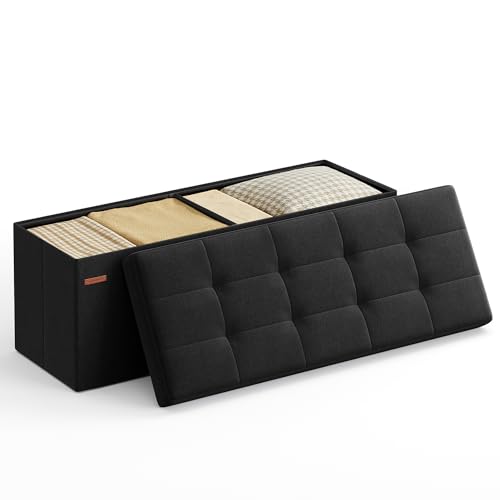
Consider ottomans or poufs as dual-purpose pieces. They can function as extra seating and provide surface space for drinks or snacks. Tuck them away when not needed to save room.
A traditional armchair can bring a classic touch, perfect for reading nooks or conversation corners. Upholstered styles provide comfort and warmth, while wooden frames lend an airy feel to the space.
Measuring before choosing any seating is crucial. Ensure adequate space to move around freely and prevent overcrowding. Prioritize comfort alongside style to create an inviting atmosphere.
Functional Solutions for Compact Living
Optimize space with dual-purpose pieces. Consider a sofa bed; it transitions from seating to sleeping without consuming extra room. A coffee table that doubles as storage is also practical, allowing for easy organization of magazines or remote controls.
Smart Design Considerations
Integrate wall-mounted shelves. By utilizing vertical space, I reduce clutter while displaying books and decor. A foldable dining table can transform a small area into a dining space when needed; just tuck it away afterward.
Multi-Use Items
| Item | Functionality |
|---|---|
| Storage Ottoman | Seating and storage combined |
| Convertible Desk | Workspace that collapses for easy storage |
| Nested Tables | Versatile side tables that save space |
| Murphy Bed | Wall-mounted sleeping solution |
| Bench with Storage | Seating and hidden compartments for items |
Choose lightweight and easily movable items; I can rearrange according to needs or occasions. Modular designs adjust to lifestyle changes, ensuring lasting utility and style in compact environments.
Choosing the Right Dining Table Styles
For a harmonious dining experience, I recommend opting for table shapes, sizes, and materials that complement your space and personal style. Below are key guidelines.
- Shape:
- Rectangular: Ideal for larger gatherings, easily accommodates multiple chairs.
- Round: Promotes conversation, suitable for smaller areas, and great for intimate settings.
- Square: Offers a balanced aesthetic, works well in square-shaped dining rooms.
- Oval: Combines benefits of round and rectangular, provides a softer look.
- Size:
- Measure your space to allow at least 36 inches around the table for movement.
- For family dining, aim for 24 inches of table width per person for comfort.
- Material:
- Wood: Offers warmth, stability, and can be refinished if damaged.
- Glass: Creates an illusion of space, easy to clean but requires regular maintenance.
- Metal: Provides a modern look, highly durable and often features striking designs.
- Style:
- Traditional: Features ornate designs and rich woods, evoking classic elegance.
- Modern: Minimal lines and sleek materials offer a contemporary appeal.
- Rustic: Emphasizes natural finishes and reclaimed wood, adding character.
Combine these elements to create a dining area that reflects your taste while remaining functional. Prioritize your lifestyle needs, whether frequent hosting or casual family meals, to ensure satisfaction with your choice.
Storage Solutions: Cabinets and Shelves
For optimal organization, I recommend versatile cabinets and shelves that cater to various needs. Cabinets provide concealed storage, ideal for keeping items out of sight while maintaining a clean aesthetic. Look for options with adjustable shelves to accommodate different sized objects.
Cabinet Styles
Choose between freestanding or built-in cabinets based on your space. If your area is limited, opt for corner units to utilize every inch effectively. Glide doors or open shelving add a modern touch while providing quick access to frequently used items.
Shelf Variations
Open shelving units work wonders in displaying decorative items while keeping essentials within reach. Wall-mounted options free up floor space and can serve as striking focal points. Consider modular designs that adapt to changing needs, allowing you to rearrange or expand as necessary.
Bedroom Essentials for Comfort and Style
Choose a quality mattress to enhance sleep quality. Look for options with memory foam or pocket springs to provide support and comfort. Pair it with a sturdy bed frame that complements your aesthetic–whether it’s modern, rustic, or minimalist.
Nights stands are practical for holding essentials like lamps and books. Opt for styles that offer both functionality and design appeal. Floating or minimalist designs can save space and add a contemporary look.
A cozy bench or ottoman at the foot of the bed enhances both form and function, providing additional seating and storage. Select one that aligns with the room’s color palette to maintain visual harmony.
Choosing the right bedding is key to achieving a stylish look. Layer textures and colors for an inviting appearance. Linen, cotton, and plush throws can create a warm atmosphere.
Lighting plays a significant role; consider bedside lamps with adjustable features for ambiance. Overhead fixtures can also contribute to the room’s atmosphere. Pick designs that resonate with your personal style, from vintage to modern chic.
Incorporate dressers or wardrobes that reflect both practicality and design sophistication. Look for pieces with clean lines and ample storage, ensuring a clutter-free environment.
Decor elements like mirrors can visually expand the space and enhance light. Select shapes and sizes that complement your existing decor while adding a touch of elegance.
Maintain balance by limiting oversized items; this approach creates an open feel. Prioritize what truly enhances comfort while expressing your unique taste. Each piece should serve a purpose and contribute to a serene environment.
Outdoor Furniture Materials and Durability
Choosing robust materials ensures longevity for outdoor seating and tables. My top recommendations include:
- Teak: Naturally resistant to moisture and pests, teak retains its integrity in varying weather conditions. Its natural oils provide a shield against sun damage.
- Aluminum: Lightweight and rust-resistant, aluminum frames are a practical option, particularly for coastal areas. Powder-coated finishes enhance durability against the elements.
- Wicker: Synthetic wicker offers a stylish alternative with high resistance to UV rays and water. Choose high-density polyethylene (HDPE) for optimal endurance.
- Steel: While heavier, galvanized or stainless steel is exceptionally sturdy. Ensure proper maintenance to prevent corrosion.
- Cedar: Known for its natural resistance to decay, cedar is ideal for outdoor use. Regular treatments can maximize its lifespan.
Maintenance practices significantly impact the durability of outdoor items:
- Regularly clean surfaces to prevent grime buildup.
- Store items indoors during extreme weather to prolong their lifespan.
- Apply protective sealants as needed for wood pieces.
- Cover when not in use, especially during rain or snowfall.
Investing in high-quality materials and implementing proper care extends the life of outdoor collections, ensuring enjoyment for years to come.
Workspace Solutions: Desks and Chairs
I recommend selecting an ergonomic desk that suits your work style and space limitations. A height-adjustable model fosters comfort, allowing adjustments for sitting or standing positions. This flexibility can enhance productivity and health, especially during extended hours.
When considering seating options, prioritize chairs that offer lumbar support. A good chair should have adjustable height, armrests, and back tilt. This helps maintain proper posture and reduces fatigue.
Material choice plays a pivotal role. Wood provides durability and a classic aesthetic, while metal offers a modern touch. Upholstered options increase comfort but require maintenance for longevity.
Recommendation on size is crucial; make sure both the desk and chair fit well within your workspace without creating clutter. A desk around 60 inches wide typically accommodates most setups, ensuring you have ample space for a monitor and paperwork.
Consider additional elements like cable management solutions to keep the workspace organized. Accessories like a monitor stand or desk lamp can also enhance functionality and comfort, promoting a more efficient working environment.
Lastly, don’t underestimate personalization. Adding plants, artwork, or favorite decor can make the space inviting, which can positively impact focus and creativity.
Accent Furniture: Adding Character to Your Home
Integrating accent pieces into any space instantly enhances its aesthetics. A striking armchair or a unique side table can serve as conversation starters while contributing functionality.
Consider incorporating a bold color or an unusual shape. A bright ottoman can pop against neutral tones, while a vintage chest can introduce texture and history. Look for items that reflect your personality, like a quirky bookshelf or a decorative stool.
Mixing styles adds depth. Pair modern accents with traditional elements to create visual interest. A contemporary lamp on a classic console table can establish a compelling focal point.
Think about placement. Flanking a doorway with eye-catching side tables can draw the eye, while strategically positioning a unique piece in a corner invites curiosity without disrupting flow.
Functionality is key. Opt for versatile items, such as a decorative trunk that serves dual purposes: storage and seating. This approach maximizes space and maintains an organized look.
When selecting accents, consider dimensions. Ensure that pieces complement existing elements without overwhelming the area. A well-placed accent can become the highlight without overpowering other furnishings.
Finally, curate carefully. Too many accents can lead to clutter. Prioritize quality over quantity, allowing each piece to shine and contribute uniquely to the overall design.
FAQ:
What are the main types of furniture available for residential use?
Residential furniture can be broadly categorized into several types, including seating furniture, such as sofas, chairs, and recliners; sleeping furniture, which includes beds, bunk beds, and daybeds; storage furniture, like cabinets, shelves, and dressers; and dining furniture, consisting of dining tables and chairs. Each category serves a specific function and comes in a variety of styles and materials to fit different home aesthetics.
How do office furniture types differ from home furniture?
Office furniture is designed with functionality and ergonomics in mind, focusing on productivity and comfort for long work hours. Key types include desks, office chairs, conference tables, and filing cabinets. This furniture often incorporates features like adjustable heights, storage solutions, and collaborative layout options. In contrast, home furniture emphasizes comfort, personal style, and aesthetics, catering to relaxation and leisure rather than work efficiency.
What factors should I consider when choosing outdoor furniture?
When selecting outdoor furniture, consider the material’s durability against weather elements, such as rain and UV rays. Common materials include teak wood, aluminum, and resin wicker, each offering different levels of maintenance and style. Additionally, think about the size and layout of your outdoor space to ensure your furniture fits well. Comfort is also key, so look for cushions that are water-resistant and easy to clean, ensuring your outdoor area is inviting and functional.
Can you explain the different styles of furniture and their characteristics?
Furniture styles vary widely, with some popular categories including modern, traditional, minimalist, industrial, and rustic. Modern furniture is characterized by clean lines and functionality, often made from materials like metal and glass. Traditional furniture typically features ornate details and rich woods. Minimalist furniture embraces simplicity and often has a sleek, uncluttered look. Industrial style incorporates raw materials like exposed metal and wood to create a rustic yet chic appearance. Each style reflects different design philosophies and can greatly affect the ambiance of a space.


