
 Caleb Turner
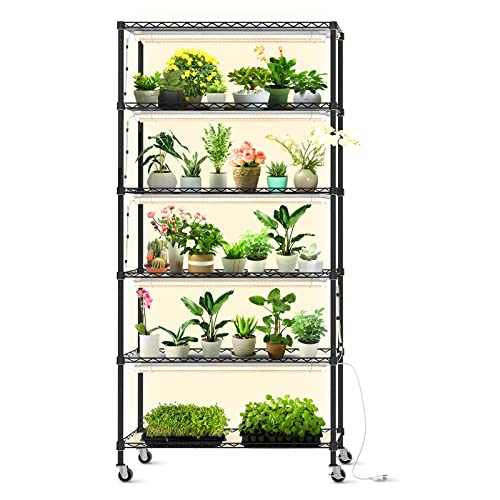
Repurposing an unused chair into a stylish plant stand is just one way to breathe new life into items collecting dust. Instead of discarding, I turn to a manual for DIY projects that inspire fresh ideas. A quick coat of paint or a new fabric can transform a neglected piece into an eye-catching statement in my space.
Another possibility lies in charity: donating no-longer-needed pieces can benefit those in need while sparing me the hassle of disposal. Local shelters and community centers often accept contributions, providing a second chance for valuable items and making a positive impact in someone else’s life.
Should I prefer a more artistic route, crafting can be fulfilling. I often create unique displays or functional decor from aged materials, merging creativity with sustainability. This not only enhances my living environment but also allows me to share my artistic flair with others.
Revamping My Preloved Items
I transformed a worn-out wooden chair into a stunning accent piece by sanding it down and applying a fresh coat of paint. Choosing a bold color revealed its potential to brighten up the space. Adding new upholstery with a fun fabric gave it a modern touch, making it a favorite spot for my guests.


Storage Solutions
<p.A rusty filing cabinet found a new home in my garage as a sturdy tool organizer. Each drawer is now dedicated to specific equipment, providing easy access and reducing clutter. Repurposing such articles not only saves money but also offers a creative way to enhance functionality.
Creative Decor
<p.I converted an antique dresser into a whimsical garden planter. By removing the drawers and sealing the interior, it now houses vibrant flowers and greenery. This quirky addition adds character and charm to my outdoor area, encouraging others to admire the unconventional use.
Repurposing Ideas for Tables and Chairs
Transform a coffee table into a unique bench for your entryway. By adding cushions or a thick layer of upholstery, it becomes a comfortable spot to sit while putting on shoes.
Creative Approaches to Tables
Consider converting a side table into a vertical herb garden. By attaching several small pots to the top surface or using a tiered plant stand, you’ll have an eye-catching display for your culinary herbs.
Innovative Chair Repurposing
Chairs can serve purposes beyond sitting. For instance, an old dining chair can become a chic hanging planter holder. Secure it against a wall, add a rustic rope, and hang potted plants in the seat area. It creates a whimsical vertical garden.
| Original Item | New Purpose |
|---|---|
| Coffee Table | Entryway Bench |
| Side Table | Herb Garden |
| Dining Chair | Hanging Planter Holder |
By applying these inventive ideas, items serve new functions while adding character to your space. The possibilities extend far beyond conventional uses, catering to creativity and sustainability.
DIY Projects: Transforming Old Dressers
Consider turning a tired dresser into a chic storage solution for your space. Begin by cleaning the piece thoroughly, removing any hardware and drawers. A fresh coat of paint or stain can breathe new life into the structure; opt for trendy colors or techniques like distressing for a vintage effect.
If you want to increase functionality, convert drawers into wall-mounted shelves. Simply secure the drawer fronts onto brackets and attach them to the wall. This creates artistic storage and showcases small plants or decorative items.
For a unique twist, transform a dresser into a stylish kitchen island. Remove the top drawers, reinforcing the surface with a butcher block or granite. This repurposed design not only adds functionality but also enhances aesthetics in your cooking space.
Incorporate a seating area by removing drawers and adding a cushion on top of the dresser. This can serve as a playful nook or a place to relax, especially in a children’s room or a creative workspace.
Consider using part of the dresser as an entryway bench. By reinforcing the structure and adding hooks above for jackets and bags, it creates a practical and inviting spot for guests and family alike.
Finally, for those who love personalization, use decoupage techniques to cover the exterior with meaningful papers or fabrics. This adds a unique flair, making the piece truly one-of-a-kind.
Creative Upcycling: Turning Furniture into Home Decor
I often find myself transforming neglected pieces into charming decor that enhances my living space. Here are some practical ideas:
Focal Points Using Accent Pieces
- Vintage Suitcases: Stack them as a side table or use as unique storage for blankets and books.
- Old Chairs: Paint them in bright colors and repurpose as plant stands or decorative display pieces in the garden.
Functional Home Accessories
- Drawer Shelves: Remove drawers from a dresser, attach them to the wall for an instant shelf, perfect for displaying small plants or art pieces.
- Table Frames: Use the frame of an unused table to create a wall-mounted coat rack by adding hooks.
In every case, this approach not only provides a unique flair but also adds practicality and joy to my home environment. Choose pieces that resonate with your style and let your creativity guide you in this transformation process.
Donation Options for Unwanted Furniture
Local charities and thrift stores often welcome contributions of gently used items. For instance, organizations like Goodwill and Salvation Army provide pickup services for larger pieces. Check their websites for specific procedures on scheduling a donation.
Community Programs
Many communities have programs aimed at helping families in need. Reach out to local shelters, churches, or nonprofit organizations to inquire about their need for household items.
- Habitat for Humanity ReStores accept various goods, including sofas, tables, and chairs, to support their building projects.
- Local homeless shelters may require essential household items.
- Women’s shelters or transitional housing facilities often need furniture to help families rebuild their lives.
Online Platforms
Utilizing digital platforms can connect those wanting to donate with individuals or groups in need. Websites like Freecycle and Buy Nothing groups on social media allow members to give away items for free.
- Create a post detailing the furniture’s condition and dimensions.
- Specify pickup arrangements or delivery options.
- Engage with interested parties promptly to arrange the transfer.
By donating unwanted pieces, I not only clear out space but also contribute positively to the community.
Reselling Vintage Pieces: Tips for Online Sales
First, research similar articles to understand market trends and set competitive prices. Take high-quality photos that showcase unique details, using natural lighting for the best results. Include measurements and a clear description of the item’s condition.
Where to Sell
Utilize platforms like Facebook Marketplace, Craigslist, and specialized sites like Chairish or 1stDibs. Each platform has its audience; tailor your approach accordingly.
Effective Listing Strategy
Write engaging titles that include keywords potential buyers are searching for. Be honest about imperfections; transparency builds trust.
| Platform | Best For | Fees |
|---|---|---|
| Facebook Marketplace | Local buyers | No fees |
| Craigslist | Quick sales | Minimal fees |
| Chairish | High-end decor | 20% commission |
| 1stDibs | Antiques and collectibles | 25% commission |
Finally, promote your listings on social media to widen your reach. Engage with followers, share stories behind each piece, and ensure the item reaches a wider audience.
Restoration Techniques for Vintage Pieces
To breathe new life into classic items, I often begin with cleaning. A mixture of warm water and mild soap can effectively remove dirt and grime, followed by a gentle polish with beeswax to restore shine.
Surface Repairs
For scratches and minor dents, applying a wood filler or wax stick can do wonders. Matching the color closely is key. After the filler dries, light sanding and a fresh coat of varnish can revive the finish. For deep scratches, I use a tinted wood stain before sealing.
Reupholstering Techniques
When tackling chairs and sofas, I strip the old fabric down to the frame. Using new padding improves comfort significantly. I find a staple gun handy for fastening fresh material, ensuring smooth corners and tight fits. Picking a bold fabric can transform a piece into a statement item in any space.
Lastly, hardware updates such as new knobs or hinges can completely change the look and feel, providing a modern twist to timeless designs. The combination of these techniques can lead to extraordinary transformations while preserving the charm of vintage items.
Environmental Benefits of Reusing Furniture
Choosing to repurpose or redesign items rather than disposing of them significantly reduces landfill contributions. It saves valuable materials and energy that would be needed to manufacture new pieces.
By giving new life to an item, I help lower carbon emissions associated with traditional manufacturing processes. Transporting products from factories to store shelves consumes fossil fuels; refurbishing existing possessions eliminates much of this transportation-related pollution.
My decision to reuse also promotes biodiversity. Reducing demand for new materials helps preserve forests and wildlife habitats that may otherwise be destroyed for manufacturing purposes.
Community initiatives often arise from a culture of reusing. This can foster a sense of collective responsibility and awareness regarding sustainability practices. Participating in local swaps or recycling programs can strengthen community ties while also encouraging environmentally friendly habits.
Additionally, utilizing pre-owned treasures supports a circular economy, which emphasizes longevity and waste reduction. Instead of contributing to consumerism, I can participate in a model that values sustainability and longevity.
In summary, every time I opt for restoration or creative transformation rather than disposal, I contribute positively to our planet’s health and advocate for more sustainable living practices.


