
 Caleb Turner

Regular inspections of your living space can reveal unwanted guests lurking in unexpected places. Inspecting cabinets and hidden corners for droppings is crucial; small, dark-colored pellets may indicate a presence, often resembling coffee grounds.
Pay attention to the edges of surfaces. Greasy smudges can suggest contact, while shed exoskeletons signal a breeding ground nearby. Additionally, a peculiar musty odor can serve as a warning sign, hinting at an established colony.
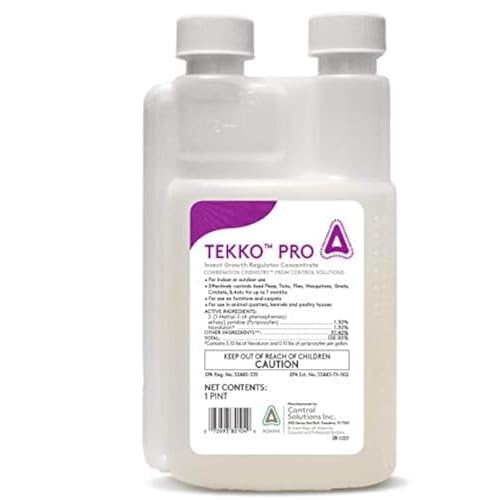

When noticing these signs, act decisively. Infested items may need professional evaluation or extermination. Clean thoroughly and ensure you address not only the symptoms but also the source to prevent future occurrences.
Detection of Cockroaches in Your Furniture
I often examine specific signs to determine if unwanted pests have infested my seating or cabinetry. One of the primary indicators is the presence of small, dark droppings resembling coffee grounds or pepper. Finding these near seams or crevices in the wood can be quite revealing.
Additionally, I look for shed skins. As they grow, these insects leave behind their exoskeletons, which are often found in hidden areas. If I notice a musty odor lingering around my pieces, it could signal a larger infestation.
Movement and Activity
During the evenings, I take time to observe any unusual sounds. Rushing noises or scuttling can indicate activity. If I see any live individuals, especially during daytime, it’s a clear red flag.
External Indicators
Lastly, I inspect the surroundings. Look for cracks or gaps in the walls or baseboards, as these often serve as entry points. I pay attention to cardboard boxes or other materials nearby, as they tend to attract these creatures. Conducting regular inspections is key to preventing these unwanted guests from taking up residence.
Signs of Cockroach Infestation in Wood Furniture
Dark, small droppings, resembling coffee grounds or black pepper, scattered around edges or inside crevices signify unwanted guests. These droppings can easily be overlooked, so detailed inspections are vital.
Identify a musty or oily odor emanating from the wood. This scent may indicate the presence of these insects, as they often release pheromones that lead to a noticeable smell in infested areas.
Look for shed skins. As these creatures grow, they molt and leave behind their exoskeletons, which can be found near or inside wooden pieces. Spotting these remnants raises the likelihood of an existing problem.
Check for smears or stains, particularly on lighter-colored wood. Oil or grease marks can be left by these critters as they travel, often leading back to their nesting sites.
Inspect joints and seams. Very small openings may harbor egg cases or adults. These areas require careful examination as they are commonly favored for breeding.
If you notice any unusual sounds, such as scurrying or scratching within the furniture, it may signal active inhabitants. Listening closely, particularly during quiet hours, can reveal hidden issues.
If any of these indicators are present, taking immediate action is crucial. Inspecting further for live insects or consulting a pest control expert will help address any infestation swiftly.
Inspecting Upholstered Seating for Signs of Infestation
Begin with a thorough visual examination of seams, crevices, and folds. Pay attention to any dark droppings, which are indicative of the presence of these pests. Look for shed exoskeletons; they often accumulate in hidden areas.
Next, gently lift cushions and check underneath them. This area can harbor not only droppings but also eggs. Inspect zippers and other openings where cockroaches might hide.
Consider using a flashlight to illuminate dark areas during the inspection. Roaches can be elusive, making proper lighting crucial for spotting them or their signs.
Don’t forget about the back of the upholstery. If possible, remove any fabric coverings to assess the underlying structure, as pests may nest there.
If you notice a musty odor, this could signal a problem. Lastly, when inspecting, be aware of any unusual activity during dusk or nighttime, as that is when these insects are generally more active. Take immediate action if you detect any signs of an issue.
Identifying Roach Droppings in Your Furniture
Look for small, dark brown or black droppings. These resemble tiny grains of pepper or coffee grounds and can often be found in hidden areas or crevices. Condensed clusters of these droppings indicate an active presence. Pay particular attention to corners, along edges, and beneath cushions.
Use a flashlight during your inspection, especially in low-light areas. Check under and behind cabinets, along the seams of upholstered pieces, and within storage compartments. Droppings may also be located in and around the legs and bases of wooden items.
When identifying desiccated droppings, know that they may appear lighter in color and crumble easily. This suggests a longer-term infestation, so it’s crucial to act swiftly to mitigate the situation.
For deeper insights, use sticky traps in areas suspected of infestation. These traps will capture pests, providing confirmation of the issue along with more droppings for evaluation.
If signs persist, engaging pest control specialists becomes necessary to address the problem effectively. Early detection remains vital in stopping further spread.
Checking for Egg Cases in Furniture Crevices
Focus on inspecting hidden areas where egg cases might accumulate. Look closely in the following spots:
- Joints and seams of wooden pieces.
- Corners and cracks of upholstered items.
- Underneath cushions and between cushions and frame.
- Behind and beneath cabinets and shelves.
Egg cases, also known as oothecae, appear as small, dark brown or black capsules resembling a grain of rice. They can range from 1/4 to 1/2 inch in length and are often found in clusters. The presence of these cases indicates an ongoing infestation, as each case may hold several eggs.
During the inspection, check for the following signs:
- Discoloration or sticky residue near potential nesting sites.
- Small, dark-colored specks that may be droppings or remnants around the egg cases.
- Unusual odors that indicate an infestation.
After discovering egg cases, take immediate action to eliminate any pests. Consider contacting a pest control professional to assess and treat the situation effectively.
Understanding the Smell of a Roach Infestation
A notable indicator of an infestation is a distinct, musty odor. This scent arises from the secretion of pheromones by these insects, leading to an unpleasant environment.
To identify this smell, concentrate on areas where I often observe signs of infestation, such as dark, hidden corners. The aroma can be stronger in warm, damp locations, typically near appliances or underneath cabinets.
If I detect a robust, oily scent, the problem might be severe, requiring immediate action. Frequent cleaning in those areas can help, but identifying and eradicating the source is crucial. In some cases, residual odors may linger even after the pests are removed, necessitating thorough sanitation and ventilation.
Using activated charcoal or baking soda can neutralize lingering odors, but it’s essential not to overlook the need for professional pest control services if the smell persists, indicating a larger issue.
Using Traps to Confirm Roach Presence in Furniture
Implementing traps serves as a practical method for verifying the existence of unwanted pests in household items. Place sticky traps in various locations where activity is suspected, ensuring they remain out of sight. During subsequent days, regularly check these traps for any caught insects.
Types of Traps
There are several effective traps available on the market:
| Type | Description |
|---|---|
| Sticky Traps | These capture insects that wander into their adhesive surface, useful for monitoring populations. |
| Glue Boards | Similar to sticky traps, these are often larger and can cover more ground in a specific area. |
| Roach Baits | These attract and poison the pests, providing dual functionality. |
Placement Tips
Position traps in strategic areas such as beside and beneath pieces, in high-traffic zones, and close to entry points. Also, consider placing them in corners and near cracks. Ensure the surfaces are clean and dry to enhance trap effectiveness.
Maintain vigilance by monitoring traps frequently, as this ongoing observation will reveal possible roach activity. If the traps show signs of insect presence, proceed to employ further pest control measures or enlist professional help.
Steps to Take if Roaches Are Found in Furniture
Immediately remove infested items from the home, ensuring they are sealed in plastic bags to prevent further spread. This minimizes contamination of other areas.
Cleaning Process
- Vacuum the affected areas thoroughly to eliminate any visible insects, droppings, or egg cases.
- Wash textiles and upholstery with hot water or use dry cleaning methods for delicate materials.
- Scrub wooden surfaces with a mixture of soap and water, ensuring to clean crevices where pests hide.
Pest Control Measures
- Apply insecticide specifically formulated for roach control in any cracks or crevices identified during inspection.
- Consider using bait stations to attract and eliminate remaining pests over time.
- Seal any gaps or entry points in the structure to prevent re-infestation.
Monitor the area closely after treatment. Regular inspections and maintenance can help ensure that these pests do not return. If the problem persists, consult with a professional pest control service for more comprehensive solutions.


