
 Caleb Turner

Providing a suitable alternative for scratching can significantly minimize unwanted damage to your possessions. Invest in a variety of scratching posts or pads made from different materials to see what appeals most to your pet. Place these alternatives near the areas your furry friend typically targets, encouraging the use of designated surfaces.
Rewarding positive behavior is key. Whenever your companion directs their attention toward the appropriate scratching option, offer treats or praise. This reinforces the desired action and promotes a shift away from the furniture and towards more suitable choices.
Using deterrents can also be beneficial. Applying products designed to discourage scratching on vulnerable surfaces can help redirect your pet’s behavior. Additionally, covering furniture temporarily with protective coverings might create a less appealing environment until your four-legged friend forms new habits.
Effective Methods to Deter Scratching
Use double-sided tape on surfaces where damage occurs. Cats dislike the sticky texture, which can discourage them from returning to the same spot.

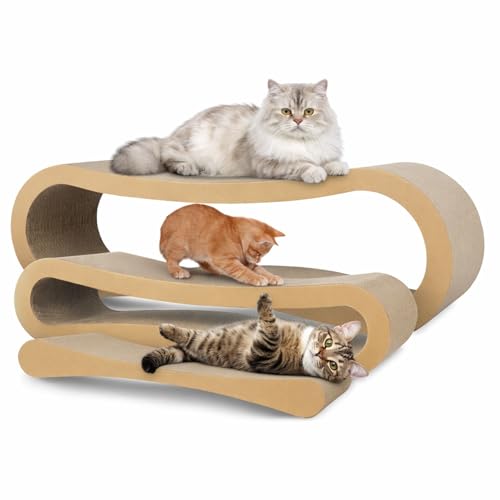

- Place scratching posts near affected areas. Choose posts made from materials that appeal, such as sisal or cardboard.
- Introduce a pheromone diffuser in rooms where your pet spends time. Calming scents can reduce their desire to scratch.
- Regularly trim nails to minimize damage. This should be done every few weeks to keep them short.
Encourage your feline to scratch appropriate objects by using catnip. Rub a small amount on designated posts or pads to attract interest.
- Observe your pet’s behavior to understand their preferences for scratching height and texture.
- Reinforce positive interactions by rewarding with treats when they use a scratching post instead of prohibited areas.
Consider employing a strong deterrent spray on targeted areas. Choose formulas specifically designed to discourage scratching without harm.
Understanding Your Pet’s Clawing Behavior
Identifying the reasons behind your companion’s scratching is key. Scratching serves several purposes, from grooming to stretching to marking territory. Each action is instinctual and rooted in their natural behavior.
Reasons for Scratching
| Reason | Description |
|---|---|
| Grooming | Sharpening claws helps in removing dead layers, maintaining their health. |
| Exercise | Stretching limbs and enhancing physical fitness plays a role in their well-being. |
| Territorial Marking | Leaving scent marks is a natural instinct for claiming space. |
| Stress Relief | Scratching helps alleviate anxiety and tension. |
Observation Tips
Watch for specific patterns. Note when the behavior occurs–after meals, during playtime, or during quiet hours. Understanding triggers allows for more effective solutions. Redirect to suitable alternatives, encouraging healthy habits over destructive ones.
Choosing Appropriate Scratching Alternatives
Selecting suitable objects for scratching serves as a direct substitute for undesirable habits. I recommend investing in a variety of options to cater to different preferences. Consider vertical scratching posts made from durable materials like sisal or cardboard. The texture encourages usage and mimics natural surfaces.
Types of Scratching Alternatives
Horizontal surfaces also play a crucial role; a flat scratching pad made of corrugated cardboard can be appealing. Place these options in strategic locations, ensuring they are easily accessible. Incorporating angled posts allows for flexibility in scratching positions, enabling my feline to choose their preferred angle.
Strategic Placement and Encouragement
Position alternatives near areas where destructive behavior occurs. Rewarding with treats or praise immediately after using an appropriate item reinforces positive behavior. Consistency and patience will foster a preference for designated items, steering clear of cherished belongings.
Setting Up a Positive Training Environment
Creating a supportive atmosphere significantly enhances the likelihood of success during the learning process. Focus first on eliminating distractions from the immediate area. Secure any items that may provoke unwanted behavior or cause anxiety, ensuring a calm space where your pet can engage comfortably with their designated scratching items.
Incorporate positive reinforcements such as treats or affectionate praise when your pet interacts with appropriate alternatives. Consistency is key; reward desirable actions every time they occur to establish a clear link between the behavior and the positive outcome. This encourages repetition of the good habits you wish to instill.
In addition, design your home to provide easy access to scratching posts or pads. Place these items in prominent, frequented areas, especially near spots where they tend to display unwanted behavior. By making suitable options readily available, I facilitate better choices.
Regular play sessions can help alleviate excess energy, reducing the likelihood of destructive tendencies. Engage with various toys that stimulate and entertain, redirecting their focus away from issues without creating frustration.
Lastly, maintain a serene and patient demeanor during this process. Stressful interactions can create negative associations, potentially hindering progress. Through patience and encouragement, I nurture a positive learning experience, enhancing the understanding of acceptable behaviors.
Using Deterrents to Protect Furniture
Consider using double-sided tape on surfaces that attract attention. The sticky texture discourages interaction, prompting pets to seek alternative spots. Opt for sticky pads designed for this purpose, ensuring they won’t damage the finish of your belongings.
Scents and Sprays
Avoidance can also be achieved through scents. Citrus fragrances are generally disliked by many felines. Spraying diluted citrus solutions or using commercial sprays with these scents can help maintain distance. Always apply a test patch in an inconspicuous spot to prevent any staining or damage.
Physical Barriers
Temporary physical barriers serve as effective deterrents. Using furniture covers or blankets can shield surfaces when unsupervised. Placing objects that create noise or movement, such as aluminum foil or crinkly materials, can result in a surprising experience that discourages further exploration. Make adjustments to keep the environment engaging while protecting desired areas.
Utilizing these strategies can aid in creating a peaceful coexistence without sacrificing your prized possessions. The key lies in consistency and vigilance, ensuring these techniques remain effective in the long run.
Encouraging Regular Use of Scratching Posts
Position scratching posts in key areas, particularly near high-traffic zones and previous scratching spots. Ensure they are sturdy and tall enough to allow a full stretch.
Adding Enticing Elements
- Utilize catnip to attract attention. Rubbing some on the post can pique interest.
- Attach toys or feathers to the post. Movement can stimulate curiosity and encourage play.
Creating a Routine
Incorporate playtime around the posts. Interactive toys can lead your feline towards these areas, fostering a habit of utilizing them.
Consider rewarding your companion with treats or praise immediately after using the post. Positive reinforcement builds a strong association between the post and enjoyment.
Regularly rotate scratching materials to maintain interest–some prefer sisal, others like cardboard. Experiment to find what sparks enthusiasm.
Rewarding Good Behavior Consistently
To reinforce positive actions, I use treats or affectionate verbal praise immediately after a desirable behavior occurs. The timing is vital; my companion must associate the reward with the action. For instance, if my feline chooses the scratching post instead of the couch, a small treat or enthusiastic praise follows without delay.
Creating a Reward System
I establish a simple reward system for my companion. Every successful use of the designated scratching option earns a point, leading to a small reward at certain milestones. This could be an extra play session or a favorite snack after a series of correct choices. Regularly updating the rewards keeps motivation high.
Consistency in Rewards
I maintain a level of consistency in offering rewards. If I skip rewarding a positive action sporadically, it may confuse my furry friend. Sticking to my routine makes it clear which behaviors are desired, reinforcing the learning process over time.
Incorporating Playtime to Redirect Energy
Engaging in active play sessions is a key strategy for managing your pet’s energy levels. I dedicate at least 15–30 minutes each day to interactive activities. Using feather wands, laser pointers, or small toys can capture their attention effectively. Rotate toys regularly to maintain interest, as novelty can stimulate their curiosity.
Scheduled Playtime
Consistency is vital. Establish a routine that includes a couple of play sessions daily. Morning and evening are ideal, as they align with natural activity peaks. This works to minimize unwanted behavior by allowing them to expend excess energy before unsupervised time.
Engaging Activities
Incorporate a variety of activities to keep engagement high. Hide-and-seek can be exciting; I often hide treats around the house for them to find. Puzzle feeders are excellent for combining play with mental stimulation, encouraging problem-solving while keeping them entertained.
Monitoring Progress and Adjusting Strategies
I recommend keeping a detailed journal of your companion’s behavior. Note any incidents of unwanted scratching and compare them with the interventions you’ve implemented. Track your observations for at least a few weeks to identify patterns or triggers.
If certain methods yield poor results, reassess your approach. For instance, if a specific scratching post isn’t attracting interest, try different materials or designs that better suit your companion’s preferences.
Regularly evaluate the effectiveness of deterrents you’re using. If a particular spray or physical barrier isn’t preventing access to your furniture, consider alternate options. Focus on safe, non-toxic alternatives that won’t damage your home or harm your companion.
Observe your companion’s interaction with available alternatives. If they frequently ignore scratching surfaces, it may be beneficial to reposition them or introduce new ones in various locations. Cats often prefer scratching areas that are easily accessible, especially near their favorite resting spots.
Incorporate feedback from your observations into your training process. If a reward system appears to motivate them, enhance it by incorporating a variety of treats or praise. Adjust the scheduling of rewards based on what seems to resonate with their behavior.
As you monitor progress, it’s crucial to remain patient and consistent. Behavioral modification can take time, and sudden changes can confuse your companion. Maintaining a calm atmosphere aids in reinforcing positive habits.
Each feline is unique, and strategies may require fine-tuning based on individual responses. Stay adaptable and willing to shift tactics, as finding the right balance between encouragement and deterrent often leads to success.


