
 Caleb Turner
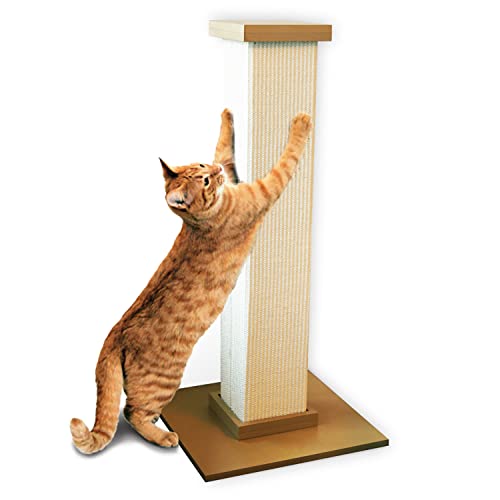
If your furry companion shows interest in your upholstery, redirecting that attention can be straightforward. Provide a variety of suitable alternatives, such as scratching posts and pads made from sisal or cardboard. Make these alternatives appealing by integrating catnip or selecting textures that your pet prefers.
Consistency is key. Whenever your little explorer targets the wrong surfaces, gently guide them to the designated area for scratching. Positive reinforcement works wonders; reward them with treats or praise when they choose the appropriate item. It builds a connection between good behavior and enjoyable outcomes.
Placement matters too. Position scratching posts in areas that are easily accessible and where your pet naturally tends to scratch. You can also consider using furniture protectors or deterrent sprays on the surfaces you want preserved, creating an unappealing experience for them.
Finally, patience plays a significant role. Modifying behavior takes time, and by maintaining a loving and nurturing environment, progress will occur naturally. With dedication and the right techniques, your living space can remain intact while your playful companion enjoys their entertainment.

Understanding the Natural Scratching Behavior of Kittens
Recognizing that clawing is a fundamental instinct is paramount. It serves various functions: maintaining claw health, marking territory, and stretching muscles. Each swipe contributes to the physical and mental well-being of a young feline.
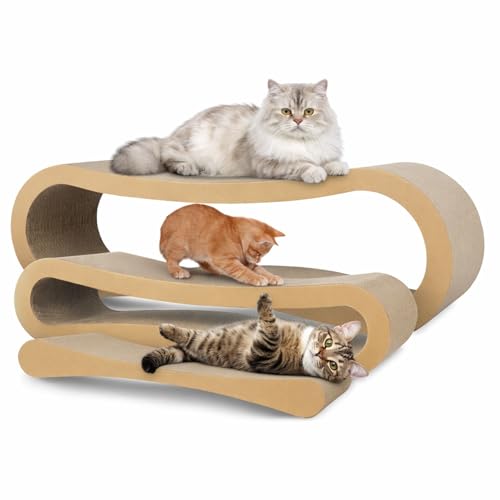
Providing appropriate surfaces for this activity is vital. Cats are drawn to both vertical and horizontal scratching options, so incorporating different designs can satisfy their needs. Additionally, using materials like sisal or cardboard can mimic the natural textures found outdoors.
Another key factor is the energy levels of the young one; play sessions burn off excess energy and reduce unwanted furniture interactions. Integrating toys that stimulate pouncing and chasing can redirect focus from household items to designated objects.
Positioning scratching posts near preferred resting locations encourages exploration and use. Kittens are naturally curious and will investigate nearby items, making placement strategic for fostering healthy habits.
Lastly, positive reinforcement plays a significant role in shaping behavior. Rewarding good choices with treats or affection cements these actions and creates lasting associations between appropriate surfaces and gratification.
Choosing Appropriate Scratching Posts for Training
Prioritize selecting posts that mimic natural surfaces. Sisal rope and corrugated cardboard are particularly appealing to felines. Look for vertical and horizontal configurations to cater to diverse preferences.
Types of Scratching Surfaces
- Sisal Ropes: They are durable and provide excellent texture that encourages play.
- Cardboard: Many enjoy the feel and sound. Easy to replace when worn out.
- Wood: Certain types, especially untreated, mimic tree bark and can attract attention.
Height and Stability
Choose posts that are tall enough to allow stretching. A height of at least 30 inches will often suffice. Ensure the base is heavy to prevent tipping during use. Stability aids in confidence while using the post.
Consider the placement of these items in relation to their favored resting areas. Offering them in nearby locations encourages frequent usage. Making posts accessible and visible aids in reinforcing the practice. Regularly evaluating their interest and engagement with the posts will guide adjustments in the selection.
Positive reinforcement techniques for correcting behavior
Utilizing treats during training sessions significantly boosts motivation. Each time I observe my feline engaging with an acceptable structure, I reward her with a small piece of her favorite snack. This positive association encourages her to repeat the desired action.
Vocal praise plays an equally important role. When she approaches the designated scratching post, I enthusiastically acknowledge her behavior. Using a cheerful tone reinforces her actions, making it clear that she is on the right path.
Interactive play can also be beneficial. Engaging her in a fun game around the scratching post creates an enjoyable experience. By linking playtime with the accepted object, she becomes more inclined to use it over furniture.
Timing is critical. Immediate reinforcement after a desirable action helps her connect the behavior with the reward. I ensure that treats or praise come right after I see her using the preferred item.
Consistency matters too. Maintaining a structured routine aids in reinforcing positive behaviors. Every member of the household should employ the same methods to avoid confusion.
Gradually reducing rewards as her good behavior continues can strengthen her independence. Once she consistently chooses the scratching post, I decrease the frequency of treats but continue verbal praise.
Creating a comfortable space around the scratching post aids in making it her go-to spot. I place her favorite toys nearby, increasing the likelihood that she will interact with the post regularly, reinforcing this behavior over time.
Using Deterrents to Protect Your Furniture
Applying certain deterrents can significantly curb unwanted behavior. Citrus-scented sprays are effective; felines typically dislike these smells. Spray the solution on surfaces you want to protect. Ensure it’s safe for your materials. Regular reapplication may be necessary to maintain efficacy.
Double-sided tape is another valuable tool. Kittens tend to avoid sticky surfaces, so placing strips on targeted areas will discourage them from approaching. This method is non-toxic and easy to remove once the behavior has been corrected.
Commercially available sprays that mimic the scent of predators can also help. These products create an environment that feels less secure for your pet, steering it away from specific spots. Always test on a small area first to avoid damage.
Noise deterrents, like compressed air or shaking cans filled with pennies, can startle them when they approach restricted areas. The sudden noise acts as a training cue. However, it’s important to use this method sparingly to prevent excessive stress.
Placement of deterrents should be strategic. Identify the areas your pet frequents and focus effort there. Experiment with combinations of techniques to find what works best for your situation.
Establishing a consistent training routine
I schedule short, focused sessions daily, ideally at the same time to create a habit. Each session lasts about 5 to 10 minutes, as attention spans can be limited. This consistency helps reinforce learning and shapes behavior effectively.
I incorporate a variety of methods during these sessions. Each time I observe the little one engaging in inappropriate behavior, I redirect to suitable alternatives like scratching posts. I make sure to reward with treats or affection immediately when the desired action is taken. This positive association encourages repetition of the good behavior.
<pRecording progress is helpful. I maintain a journal tracking responses to training methods and any improvements noticed. Adjusting the approach based on what works reinforces a successful curriculum. I also involve other household members to ensure everyone applies the same principles, avoiding mixed signals that could confuse.
I remain patient and persistent, understanding that developing habits takes time. Celebrating small milestones along the way keeps me motivated, and this positive reinforcement contributes to a calmer and more happy environment.
Monitoring Progress and Adjusting Strategies
I regularly observe the reactions to various training techniques to assess their effectiveness. Keeping a journal to note behaviors helps in identifying patterns and understanding what resonates with my furry companion. If certain methods yield slow progress, I switch to alternatives that may better capture interest or engagement.
Evaluating Responses
Noticing the frequency and intensity of interest in designated scratching areas is crucial. If my pet still targets the couch more than the scratching post, it signals a need for reassessment. I ensure that the materials and placement of the posts align with my companion’s preferences. Testing different textures can help in identifying what appeals most.
Flexibility in Approach
If I find that a particular reinforcement is losing its appeal, I introduce new rewards to reignite motivation. Adjusting timing or methods of positive reinforcement based on responsiveness ensures continuous engagement. Moreover, incorporating playtime or interaction immediately after exposing the scratching post can create positive associations.


