
 Caleb Turner

I recommend using a specialized device for sanitizing soft surfaces. Begin by selecting the appropriate attachment designed for upholstery. This ensures optimal performance and avoids damage to delicate materials. Ensure that the item is completely free of debris through a thorough vacuuming process; this step prevents dirt from being embedded deeper during treatment.
Prior to beginning, it’s crucial to test a small, inconspicuous area to check for any adverse reactions. Adjust the temperature settings according to the fabric type; lower temperatures suit delicate textiles while sturdier materials can handle higher heat. Proceed with even strokes, maintaining a safe distance to avoid saturating the surface.
Once the process is complete, allow the material sufficient time to dry. To maintain freshness, consider applying a protective spray suitable for your specific type of fabric. This not only extends the life of the upholstery but also keeps it looking pristine for longer.
Steps for Refreshing Upholstered Items
Ensure to prepare the area by moving items away from the piece you’re treating. This prevents accidental damage and allows for better access. Protect the surrounding space with towels to catch any excess moisture.
Fill the tank of the appliance with distilled water. Utilizing distilled water helps in preventing mineral buildup. Plug it in and allow it to heat up according to the manufacturer’s instructions.

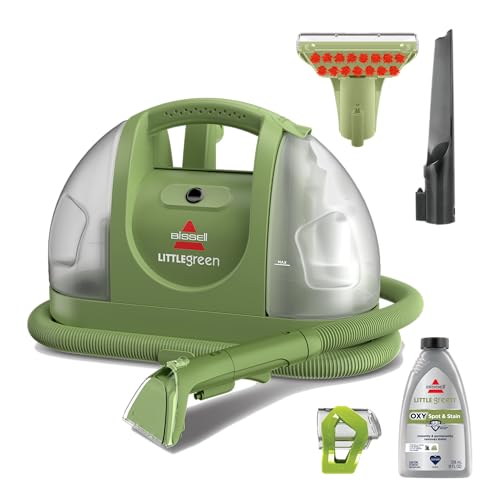

Once ready, test the nozzle on a hidden section of the material. This verifies that no discoloration or damage occurs.
Apply the steam using even strokes, maintaining a distance of about 6 inches from the surface. Work in small sections, making sure to not oversaturate the fabric.
- Begin at the top and move downwards, ensuring that gravity works for you.
- Use a brush attachment for deeper penetration into the fabric’s fibers.
- Wipe down with a microfiber cloth to lift dirt and moisture after steaming each section.
Allow the material to air dry completely before replacing cushions or covering it with throws to prevent mold growth. Ventilation can be key, so open windows if possible.
For ongoing maintenance, consider regular intervals between treatments to inhibit dirt buildup and prolong the lifespan of the covering.
Choosing the Right Cleaner for Upholstery
For optimal results, prioritize a model with adjustable steam settings. This feature allows me to customize the intensity according to the material’s sensitivity. Certain fabrics, like velvet and leather, require gentler approaches, while durable textiles can withstand higher temperatures.
Water capacity is another key aspect. A larger tank means longer operation without interruptions. This is particularly beneficial during extensive sessions. I typically opt for a cleaner with at least a 1-liter capacity to ensure efficiency.
Attachments and Accessories
Selecting the right attachments is crucial. A nozzle specifically designed for upholstery enhances precision, while brushes and pads effectively remove debris. I prefer models that include a range of tools to address different surfaces and textures.
Portability and Design
The design of the device plays a significant role in ease of use. Lightweight, compact models are far easier to maneuver around furniture. A long power cord or the availability of a battery-operated option adds to the convenience during cleaning sessions. I often consider multi-functional options that allow me to tackle various cleaning tasks seamlessly.
| Feature | Ideal Specification |
|---|---|
| Steam Settings | Adjustable with low, medium, high options |
| Water Tank Capacity | At least 1 liter |
| Attachments | Nozzle, brushes, and various pads |
| Weight | Lightweight and easy to maneuver |
| Power Source | Long cord or battery-operated |
Preparing Your Furniture for Steam Cleaning
Remove any cushions, throws, or decorative items from the surface. This allows for unobtructed access and ensures nothing gets wet or damaged. Vacuum the area thoroughly, focusing on seams and crevices where dirt and debris accumulate. This step helps prevent larger particles from turning into a muddy mess during the process.
Check Material Compatibility
Before proceeding, confirm the fabric type of your seating or other items. Certain materials like silk or leather may not withstand high temperatures or moisture. Consult care labels or manufacturer guidelines to verify which methods are safe for your belongings.
Perform a Spot Test
Select an inconspicuous area to conduct a spot test with your device. Apply a small amount of moisture to check for any potential discoloration or damage. Wait for the area to dry completely before assessing the results. This precaution can save valuable time and prevent mishaps.
Ensure your space is well-ventilated while working, opening windows if necessary. This promotes quicker drying and prevents musty odors from lingering. Lastly, gather all necessary supplies within reach to streamline the process and minimize interruptions.
Understanding Different Fabric Types and Their Steam Cleaning Needs
Identify the specific fabric type before applying heat treatment. Certain materials can withstand high temperatures, while others may suffer damage. Here’s a breakdown of common fabric types and their individual requirements:
- Natural Fibers:
- Cotton: Generally durable; can handle high heat but test in an inconspicuous area.
- Linen: Sensitive to temperature; moderate heat with caution is advisable.
- Wool: Requires low heat settings; excessive steam can cause shrinking.
- Synthetic Materials:
- Polyester: Often heat-resistant; nonetheless, start with lower temperatures to avoid melting.
- Nylon: Use cool to warm settings; high heat may damage the fabric.
- Acrylic: Avoid steam altogether; damp cloth cleaning is a safer choice.
- Blends:
- Cotton-Polyester Blend: A blend can handle moderate heat; test before full application.
- Wool-Polyester Blend: Similar caution; adjust temperature according to the wool component.
Always refer to the manufacturer’s care instructions when available. Testing a small area first can protect your investment from unintended harm. After treatment, allow fabric to dry completely and ensure proper ventilation to prevent mold and odor.
Step-by-Step Guide to Steam Cleaning Couch Upholstery
Before I proceed with any deep cleaning, I gather my materials: a suitable steaming machine, a soft brush attachment, and a clean cloth. I ensure the equipment is ready and filled with distilled water to avoid mineral deposits.
First, I vacuum the entire couch thoroughly. This removes loose dirt, pet hair, and debris, creating a clean slate for the upcoming process. I focus on every crevice using a narrow nozzle to capture hidden dust.
Next, I carefully check the upholstery label to confirm compatibility. For different fabrics, I adjust the temperature setting on my steaming machine if necessary, ensuring safety.
Targeting Stains
If I spot any stains, I pre-treat them. I use a fabric-safe solution, applying it gently with a cloth. After allowing it to sit for a few minutes, I move on to steaming.
I hold the steaming device a few inches away from the fabric. With even sweeps, I progress across the surface, paying attention to seams and any particularly soiled areas. It’s crucial not to over-saturate; a light touch works best.
Aftercare and Maintenance
Once I’ve finished, I take a dry cloth to absorb any excess moisture. Opening windows or using fans helps speed up the drying process. After everything is dry, I fluff the fabric gently to restore its texture.
To maintain the appearance of my couch, I repeat the vacuuming regularly and consider steam cleaning every few months to keep it fresh and appealing.
How to Safely Refresh Wooden Surfaces
For wooden items, maintain a safe distance with the steam source to prevent damage. I recommend keeping the nozzle at least 12 inches away from the surface. Test in an inconspicuous area first to ensure the wood reacts positively to moisture.
Preparation Steps
Prior to any treatment, gently dust the wood with a microfiber cloth to eliminate loose debris. Ensure any polish or wax has been removed to allow for proper saturation. If the surface is stained or sealed, verify that it’s compatible with moisture application.
Application Techniques
Utilize a gentle, sweeping motion when directing the vapor. Avoid prolonged exposure to a single spot as this can lead to warping or finish issues. After treatment, dry the area thoroughly with a clean, dry cloth to remove any residual moisture.
Tips for Removing Stains While Steam Cleaning
Begin with a thorough assessment of the stain type. For organic stains like food or drink, a pre-treatment with a natural solution such as vinegar diluted with water can be beneficial. For oil-based marks, a mild dish soap mixed with warm water works best. Apply it gently before proceeding.
Maintain a consistent distance between the nozzle and the surface, around 6-12 inches, to avoid damaging the fabric. Use short bursts of heat for tough stains, as prolonged exposure can set the stain further.
After steaming, blot the area with a clean, dry cloth to lift the stain. Avoid rubbing, as this can push the stain deeper into the fibers. If the stain remains, repeat the process or consider using a stain-specific cleaner suitable for the material.
For fabric types that are delicate or prone to water damage, adjust the moisture settings on the device. Ensure that any residual moisture is dried promptly to prevent mold or mildew.
| Stain Type | Pre-Treatment Solution | Steam Cleaning Technique |
|---|---|---|
| Organic (food, drink) | Vinegar solution | Short bursts, blot afterward |
| Oil-based | Diluted dish soap | Gentle steaming, avoid rubbing |
| Ink | Alcohol-based cleaner | Steam gently, blot immediately |
| Pet stains | Enzymatic cleaner | Steam thoroughly, dry well |
Keep in mind, testing any solution on a small, hidden area is fundamental before full application to avoid discoloration or damage. By taking a methodical approach, achieving remarkable results is straightforward.
Maintaining Hygiene: Steam Cleaning vs. Traditional Cleaning
Opting for vapor treatment provides superior disinfection compared to conventional methods, effectively eliminating viruses and bacteria with high temperatures. The combination of heat and moisture allows me to penetrate fibers deeply, removing allergens and dust mites that standard approaches may leave behind.
In contrast, traditional techniques often rely on chemical agents. While they may yield surface-level results, they can require multiple applications and sometimes leave residues that attract dirt and allergens. I find that while these methods could clean well, they lack the thoroughness needed for long-term hygiene.
The ability to treat surfaces without harsh substances benefits both my health and the environment. Choosing vapor over chemical cleaners means reduced exposure to potentially harmful materials that could linger after cleaning is complete. I appreciate how this method enhances indoor air quality while ensuring my items remain safe for both family members and pets.
Employing steam not only sanitizes but also revitalizes various materials, particularly upholstery, giving an updated appearance without the wear and tear that scrubbing can induce. I’ve noticed intangible benefits, like the pleasant, fresh scent left behind, which chemical cleaners often mask instead of eliminate.
Ultimately, transitioning from traditional methods to vapor treatment has made a significant difference in my cleaning routine, reflecting a commitment to sustainability and overall wellness in my living space.
Troubleshooting Common Issues During Steam Cleaning
To address water stains on surfaces, use a microfiber cloth to blot the area immediately after treatment. Make sure to empty the water tank regularly to prevent buildup of mineral deposits, which can cause streaks on surfaces.
If your machine is not producing steam, check the water level and ensure the heater is on. If the problem persists, descale the appliance according to the manufacturer’s instructions to remove any buildup.
For sticky residue post-treatment, switch to a lower heat setting and slowly pass over the area again, allowing moisture to lift the residue without damaging the fabric.
If discoloration occurs, test in an inconspicuous area first in the future. Certain dyes in materials can react to high temperatures, leading to bleached spots.
Address foul odors by ensuring thorough drying of treated areas. Consider using a fabric-safe deodorizer after the process, especially on upholstery.
To prevent overheating, avoid keeping the nozzle in one spot for too long. Always keep it moving to distribute heat evenly across surfaces.
In the case of nozzles clogging, clean them regularly with a pin or a small brush. Some models come with a cleaning tool specifically designed for this purpose.
Lastly, if you notice excessive moisture left behind, adjust the nozzle to a lower setting or increase the distance between the nozzle and the surface to reduce the amount of water applied at once.


