
 Caleb Turner

I recommend beginning with a clear concept of the piece you want to create. Identify the style–modern, classic, rustic–and gather inspiration from magazines or online platforms. Once you have a vision, sketch a rough outline using simple shapes. Circles and rectangles serve as a foundation that will allow you to define dimensions and proportions accurately.
Next, focus on details. Once the basic outline is complete, refine the shapes by adding features such as legs, intricate patterns, or upholstery textures. Use light pencil strokes to enable easy adjustments. Pay close attention to the functionality of the item; think about how it will be used and ensure the design accommodates that use comfortably.
After the initial drawings, consider incorporating different angles. Multiple views–front, side, top–provide a holistic perspective, revealing how the piece will occupy space. Evaluate the design for balance and coherence, ensuring every element complements the overall aesthetic. Lastly, finalize your work with finer lines or even color if desired, making your vision come to life on paper.


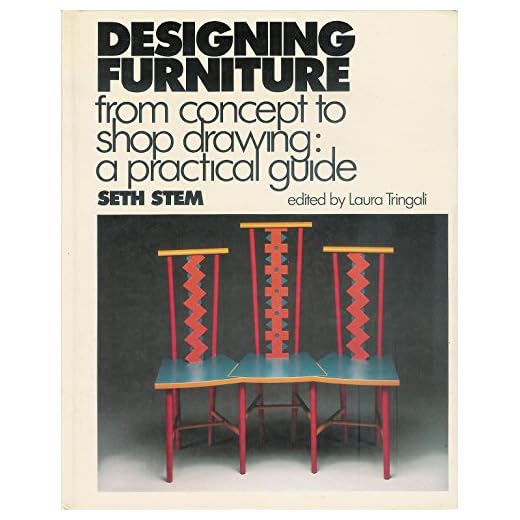
Techniques for Illustrating Home Décor
Focus on proportions and dimensions from the beginning. Use a ruler to create the base shapes, ensuring accurate size relationships between elements. This step will prevent distortion in the final image.
Materials to Use
- Pencils: Use various grades for different shading techniques.
- Pens: Fine liners are excellent for detailing.
- Paper: Choose thick, textured sheets for a professional feel.
Steps to Depict Various Pieces
- Outline the basic structure: Start with simple geometric shapes for each item.
- Add details: Incorporate elements like legs, handles, and texture.
- Apply shading: Determine light sources and shade accordingly to create depth.
- Finalize the drawing: Erase any unnecessary lines and enhance with ink if desired.
Practice regularly, and try different styles for diverse aesthetics. Explore online tutorials or sketch from real-life items to enhance your ability to capture various designs. Allow your creativity to flourish by experimenting with different materials and techniques.
Choosing the Right Tools for Furniture Sketching
Begin with a quality pencil for precision. I prefer mechanical pencils for their consistency and the ability to maintain sharp points, making it easier to create fine lines. Opt for a range of graphite grades; softer pencils (B grades) are excellent for shading, while harder pencils (H grades) allow for detailed outlines.
A sturdy sketchbook is essential. Choose one with a weighty paper that can handle erasing and layering techniques without warping. I favor spiral-bound options for ease of flipping pages, and larger formats provide ample space for intricate designs.
Incorporate an eraser that suits both ink and graphite. A kneaded eraser works wonders for lifting graphite without tearing the paper, while a vinyl eraser is useful for more substantial corrections or detail work.
Markers or fine liners can add depth and contrast. I recommend using water-based options that won’t bleed through paper, allowing for layering without damage. Different nib sizes result in varied line weights, adding visual interest to designs.
A ruler is indispensable for achieving straight lines and precise measurements. I keep both a standard ruler and a flexible measuring tool on hand to adapt to various shapes and angles in my layouts.
Tools for color are also important. Colored pencils or watercolor sets allow for experimentation with hues and textures, enhancing the overall presentation of my concepts. I choose quality brands for better pigment and blending capabilities.
Lastly, consider digital options if preferred. A tablet with a stylus offers endless possibilities, but I always ensure the software I choose mimics traditional tools for the best of both worlds.
Understanding Proportions and Dimensions
Begin with measuring the actual piece you want to depict. Take note of the height, width, depth, and any distinguishing features. For example, a standard dining chair might measure around 18 inches in seat height, 16 inches in depth, and 20 inches in width. Use these dimensions as a benchmark when translating to paper.
Establish a reference scale in your drawing. A common approach is to use 1:10 for smaller items or 1:20 for larger ones. This means each unit on your drawing represents 10 or 20 units in reality. This not only provides accuracy but also helps in visualizing the object’s spatial relationship to other elements in the composition.
The golden ratio, approximately 1.618:1, can guide you in achieving appealing proportions. For instance, if you’re sketching a sofa, consider its length against its height and depth. Balancing these aspects according to the golden ratio can lead to a more aesthetically pleasing design.
Utilize geometric shapes as building blocks for object representation. For example, a table can initially be sketched as a rectangle, with legs depicted as cylinders or rectangular prisms attached at the corners. This method simplifies complex structures into manageable parts.
Review the proportions of humans next to the piece to ensure realism. A seated human figure typically aligns with the seat height of a chair. Consider creating a small figure outline next to the item to compare dimensions visually.
| Item | Height (inches) | Width (inches) | Depth (inches) |
|---|---|---|---|
| Dining Chair | 18 | 20 | 16 |
| Coffee Table | 18 | 48 | 24 |
| Sofa | 30 | 80 | 35 |
Ultimately, maintaining accurate proportions makes your illustrations realistic and impactful. Practice measuring various objects regularly to refine your skills in rendering dimensions accurately over time.
Techniques for Capturing Different Furniture Styles
To accurately depict various designs, I focus on key characteristics unique to each style. Here are specific approaches:
- Modern: Emphasize clean lines and minimal ornamentation. Use straight edges and geometric shapes. Highlight materials like metal and glass by showcasing their reflective properties.
- Rustic: Capture a warm, natural feel. Incorporate textures like wood grains and imperfections. Use earthy color palettes to reflect the organic materials typical of this style.
- Art Deco: Focus on bold geometric patterns and luxurious materials. Highlight symmetry and ornamentation by including intricate details such as inlays and mirrored surfaces.
- Mid-Century Modern: Focus on organic shapes combined with functional design. Highlight the use of vibrant colors and smooth lines. Include iconic elements, like tapered legs and open spaces.
- Industrial: Emphasize raw materials like wood and metal. Depict utilitarian features and a rugged appearance. Capture the essence of repurposed elements and exposed hardware.
Observing real-life examples is invaluable. Visit local stores, attend exhibitions, or explore online platforms for inspiration. Taking photographs allows me to analyze proportions and details closely.
Practicing with different mediums helps me effectively convey various styles. For instance, using graphite for soft lines or markers for bolder statements can enhance the depiction of a particular aesthetic.
Additionally, experimenting with foundational shapes simplifies the portrayal of complex pieces. Breaking down furniture into basic forms aids in maintaining accurate proportions while focusing on distinct style elements.
By making notes on features that stand out, I can refine my approach and ensure clarity in my representations. This technique helps communicate the essence of each style effectively.
Incorporating Texture and Materials in Your Sketches
Use hatching and stippling techniques to represent different materials. For wood, create parallel lines with varied spacing; for fabric, short, intersecting strokes can convey softness. Combining these techniques enhances visual interest and realism.
Study the physical properties of materials you wish to illustrate. Observing how light interacts with surfaces aids in capturing their essence. Reflective surfaces like metals require highlights, while matte finishes may need subtle shading to indicate depth.
Layering is key. Start with a base color and build up texture using colored pencils or markers. For rough textures, employ short, jagged lines, while smooth surfaces benefit from even, flowing strokes. Experiment with blending tools to achieve realistic effects.
Consider the context of your designs. Incorporating elements like visible grain in wood or stitches in upholstery not only adds authenticity but also informs the viewer of the piece’s character. Always keep proportions and overall composition in mind to maintain balance.
Lastly, reference real materials when possible. Collect samples or photographs, observe their intricacies and translate those details into your renderings. This practice sharpens your eye for detail and enhances the believability of your creations.
Creating a Dynamic Composition with Furniture Layouts
To achieve visual interest, I focus on the interplay between various pieces in the space. Placing larger elements, such as sofas or beds, in the center can anchor the composition, while smaller items like side tables or ottomans create movement and direct the viewer’s eye. This contrast between bold forms and delicate accents enhances engagement.
Establishing Focal Points
Introducing a standout piece, like an artful chair or a statement light fixture, draws attention and creates a center of interest. I often align surrounding items to support this focal point, enhancing the overall flow within the layout. This strategy helps in organizing the scene and guiding the viewer’s gaze, ensuring balance.
Utilizing Space Effectively
Negative space plays a crucial role in my arrangements. I avoid overcrowding by allowing open areas that foster breathing room, making the composition more inviting. I take into account traffic flow and ensure pathways remain clear, which allows for comfortable movement throughout the environment. Rethinking the layout periodically can yield fresh perspectives, keeping my designs dynamic and engaging.
Tips for Adding Life to Your Furniture Sketches
Incorporating shadows can elevate the three-dimensional feel of your drawings. Using a soft pencil or charcoal adds depth to surfaces and helps define shapes. Pay attention to the light source; this creates highlights and enhances realism.
Utilize Color Wisely
Integrating color can inject energy and interest into your representations. Experiment with colored pencils or watercolors to convey different materials. Natural tones often work best for wood, while bold hues can make a contemporary piece stand out.
Capture Movement and Atmosphere
Including human interaction or props around the design demonstrates functionality. For instance, adding a coffee cup on a table implies everyday use. This not only contextualizes the piece but also makes it relatable. Try to evoke a particular feeling by choosing elements that align with the intended mood of your illustration.
Finally, remember to refine your lines. Clean edges with an eraser can define details and separate different sections, making the overall drawing clearer and more appealing. Always step back to evaluate your work from a distance; this helps in spotting areas that need adjustment or enhancement.


