Caleb Turner
To restore the appearance of unsightly blemishes on your cherished seats, begin with thorough cleaning. Use a gentle soap solution and a soft cloth to remove dirt and oils that may interfere with adhesion. A clean surface ensures that any subsequent products will adhere properly and provide a durable finish.
Next, I found that applying a specialized filler designed for upholstery is highly effective. Carefully choose a color that matches the original shade as closely as possible. Using a palette knife or a similar tool, press the filler into the affected area, smoothing it out to blend seamlessly with the surrounding material. Allow it to cure fully according to the manufacturer’s guidelines.


Once the filler has dried, I recommend applying a dye or balm to revitalize the hue and maintain the softness. This step not only enhances the aesthetic appeal but also provides a layer of protection against future wear. Regular maintenance is key; consider conditioning the material periodically to keep it looking its best.
How to Restore Surface Damage in Leather Upholstery
I recommend using a specialized leather repair kit that comes with adhesive, filler, and color matching compounds. Start by cleaning the affected area thoroughly with a mild soap solution and a soft cloth to remove dirt and oils.
Apply the adhesive to the edges of the damaged area using a small brush or spatula to ensure it bonds well. Once the adhesive has settled, take the filler and press it into the damaged region, smoothing it out to match the surrounding texture. Let it dry completely as per the instructions on the kit.
To achieve a seamless appearance, use the color matching compound provided in the kit. It’s important to mix it according to the manufacturer’s guidelines to get the right shade. Apply this mixture over the repaired area and feather it into the surrounding surface for uniformity.
After allowing adequate time for the color compound to dry, use a soft cloth to buff the area gently. This will blend it further with the rest of the surface, restoring its original look. Lastly, apply a leather conditioner to maintain suppleness and prevent future damage.
Assessing the Damage: Identifying the Type of Crack
Begin the evaluation process by examining the nature of the damage closely. Different types of fissures require distinct approaches for treatment.
- Surface Cracks: These are shallow and often only affect the top layer. They may appear as fine lines and usually result from dryness. A moisturizing treatment can often rejuvenate the material.
- Deeper Rips: These go beyond the surface and may compromise the integrity. Check if the edges are frayed. For these, I use a patching compound to fill gaps before applying color treatment.
- Structural Breaks: Present as significant tears or holes that disrupt the overall shape. If the frame is visible or if there are large separations, reinforcement is often required before any cosmetic fixes.
Identifying the underlying cause of the damage is as vital as assessing its appearance. Common reasons include environmental factors, usage patterns, or poor maintenance. Keeping a record of the location and size of each issue provides a clearer picture for effective remediation.
Take photographs during inspection to document the extent of the deterioration, as this aids in tracking progress throughout the restoration process.
Gathering Necessary Tools and Materials for Repair
Begin by acquiring a set of essential supplies to address any damage to your seating. A soft cloth for cleaning ensures that the surface is free of dust and grime before you proceed. A mild soap specifically formulated for this type of material will aid in preparing the area for treatment.
Next, I recommend gathering a quality adhesive suitable for bonding materials together. Look for an option tailored for synthetic or natural hides–these provide a durable hold and flexibility.
You’ll also need a filler product to fill any uneven areas. Choose a compound that matches the color of your upholstery or comes in a color that can be easily blended. A palette for mixing colors can help create a flawless finish.
A set of fine-grit sandpaper will be useful to smooth out the surface once the filler is dry. Additionally, a paintbrush or small spatula can assist in applying the filler precisely and evenly.
To protect your work, a sealing agent designed for this type of material will help to create a barrier against future wear. When selecting this product, ensure it’s compatible with the adhesive and filler you have chosen.
Lastly, keep a pair of scissors or a utility knife handy to trim any excess material or filler during the process. Organizing these items prior to starting will streamline your approach and enhance the quality of your results.
Cleaning the Surface Properly Before Fixing
Begin by using a damp cloth to wipe away any dust or debris from the surface of the material. A mixture of mild soap and water works well for deeper cleaning. Gently scrub the area with a soft brush or cloth, taking care not to damage the texture. This step removes oils and dirt that could interfere with adhesion during the fixing process.
Always test any cleaning solution on an inconspicuous area to check for colorfastness and material compatibility. Rinse the cloth after applying soap to avoid leaving residue behind. It’s crucial that the surface dries completely before proceeding. Patience here ensures a smooth application of the needed products.
For stubborn stains or residues, consider using a specialized cleaner designed for the material. Apply it according to the manufacturer’s instructions and ensure thorough removal afterward.
| Step | Action | Notes |
|---|---|---|
| 1 | Dust Surface | Use a damp cloth. |
| 2 | Clean with Soap Solution | Gently scrub with a soft brush. |
| 3 | Test Cleaner | Check colorfastness in a hidden area. |
| 4 | Rinse Cloth | Avoid leaving soap residue. |
| 5 | Dry Surface | Ensure complete dryness before proceeding. |
| 6 | Use Specialized Cleaner | Follow manufacturer’s guidelines. |
After cleaning, the surface is ready for the next steps. A clean area enhances adhesion and durability of the repair materials, leading to a more successful outcome.
Choosing the Right Leather Filler for Different Cracks
Selecting an appropriate filler is crucial for effective restoration. For fine surface lines, a water-based filler offers flexibility and blends seamlessly with the surrounding material. For deeper seams or wide splits, opt for a polyester or polyurethane filler, which provides a robust yet pliable solution.
Types of Fillers
Here’s a breakdown of suitable fillers based on the severity of damage:
| Type of Damage | Recommended Filler | Characteristics |
|---|---|---|
| Surface Lines | Water-based Filler | Flexible, easy to apply, dries clear |
| Minor Splits | Latex-Based Filler | Moderate flexibility, good color matching |
| Deep Tears | Polyester Filler | Durable, strong bond, can be sanded down |
| Worn Areas | Fill & Color Compound | Includes tint, ideal for large areas |
Always ensure that the chosen product matches the finish of your item. Experiment with samples when necessary to ascertain compatibility before full application.
Applying the Filler: Techniques for a Smooth Finish
First, I select a high-quality filler that matches the texture and color of the surface. I’ll gently mix the filler according to the manufacturer’s instructions, ensuring it’s well-blended for an even application. Using a palette knife or a small brush, I carefully apply the filler, working it into the damaged area. It’s essential to fill the void thoroughly without overfilling, as this can create a lump.
Smoothing the Surface
For a smooth finish, I use a damp sponge or cloth to blend the edges of the filler with the surrounding surface. This technique not only helps in achieving a seamless appearance but also prevents any raised areas from forming. I make sure to wipe away any excess product before it dries. Patience is key; I allow the filler to cure fully as per the instructions provided.
Final Touches
Once cured, I gently sand the filled area with fine-grit sandpaper to create an even surface. A light touch is important; I don’t want to damage the surrounding finish. After sanding, I clean the area again to remove dust particles. To complete the process, I apply a finishing product that can restore the sheen and protect the surface. This not only enhances the repair but also revitalizes the overall look.
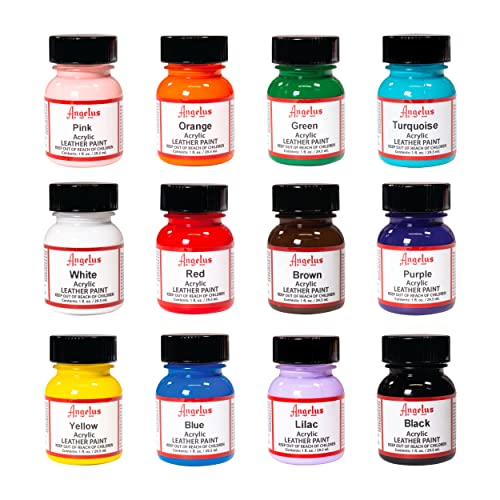
Color Matching: Selecting the Right Leather Dye
To achieve a seamless look in your restoration project, selecting a dye that matches the original hue is paramount. Begin by identifying the specific shade of the original surface. Use a color-matching card or sample to pinpoint the exact tone and intensity.
Methods for Color Assessment
- Natural Light: Inspect the material in daylight to ensure accurate color perception.
- Swatch Comparison: Obtain swatches from dye suppliers and compare directly against the surface.
- Layer Test: Apply a small amount of dye on an inconspicuous section to observe how it dries and reacts with the existing finish.
Factors Influencing Color Selection
- Type of Finish: Different treatments can alter color; avoid water-based dyes if the original finish is oil-based.
- Age and Wear: Faded areas may require a slightly deeper tone to achieve uniformity.
- Desired Outcome: Consider whether a subtle or dramatic shift in color is acceptable for the final appearance.
After narrowing down dye options, ensure compatibility with the material’s composition. Double-check whether the chosen product is suited for the specific type of covering you are working with. Don’t hesitate to consult with suppliers who specialize in dyes to get recommendations based on your findings.
Sealing the Repair: Protecting Your Leather Seating
I recommend applying a protective sealant after any restoration work on your upholstery. This step safeguards the surface from future damage and enhances its longevity. Choose a high-quality leather conditioner or sealant suitable for the type of material used in your items.
Application Process
Ensure the surface is clean and dry before application. Using a soft cloth, evenly apply the sealant, focusing on seams and previously treated areas. Follow the manufacturer’s instructions regarding drying time, and avoid over-saturating the material.
Regular Maintenance
To maintain the protective layer, reapply the sealant every few months, or more frequently if the seating experiences heavy use. Additionally, avoid placing it in direct sunlight or areas with high humidity to prevent any deterioration.
This proactive approach not only preserves the aesthetic appeal but also extends the lifespan of your cherished pieces.
Maintaining Leather to Prevent Future Cracking
Regular conditioning is key. I apply a high-quality leather conditioner every 3-6 months to keep the surface supple. This prevents moisture loss and enhances flexibility.
Humidity control is vital. I use a dehumidifier in damp areas and avoid placing items near heat sources like radiators. This helps maintain a stable environment.
Direct sunlight exposure can be damaging. I use window treatments, such as blinds or shades, to diffuse sunlight and protect my seating from UV rays.
Proper cleaning is non-negotiable. I gently wipe the surface with a damp cloth to remove dust and spills before they set, preventing potential damage over time.
- Choose mild soap specifically designed for this material, if deeper cleaning is needed.
- Ensure thorough drying with a soft cloth to avoid moisture accumulation.
Regularly inspect my items for any signs of wear. Timely detection allows me to address small issues before they escalate.
Investing in protective sprays can provide an added layer of defense. I select high-quality options that create a barrier against stains and moisture.
Selecting appropriate placement is also important. I avoid high-traffic areas that could accelerate wear and tear.