
 Caleb Turner
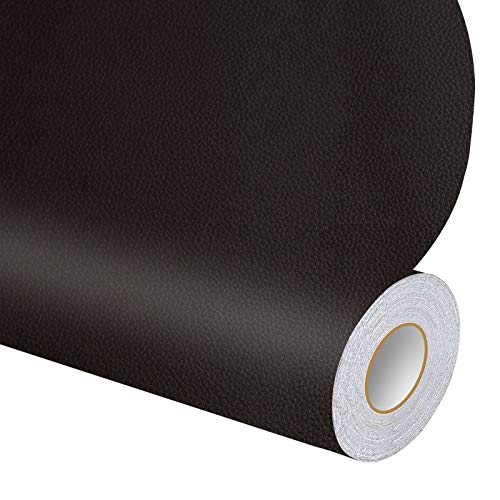
Gather a selection of materials to undertake the restoration process: a color-matched filler, adhesive, and a fine-grit sandpaper. Start by cleaning the area surrounding the damage meticulously; this ensures that the filler adheres firmly for a seamless outcome.
Apply the filler with precision, using a small putty knife to fill the impaired area smoothly. Once it sets, gently sand the surface to achieve a level finish that blends with the surrounding texture. Utilize a leather dye to match the color and enhance the repaired section, making it virtually indistinguishable from the original piece.


After the dye dries, consider applying a protective conditioner to maintain flexibility and prevent future damage. Regularly caring for your upholstered items can extend their lifespan significantly, keeping them looking fresh and inviting.
Repairing Issues in Upholstered Seating
For small gaps, I utilize a combination of leather filler and a spatula. Applying a thin layer of filler allows it to settle into the crevice. After it dries, I gently sand it to create a smooth surface.
To address larger discrepancies, I often employ an adhesive patch. Selecting a piece that closely matches the original material is key. I cut the patch, apply a strong adhesive, and press firmly until set. This method helps maintain the integrity of the seating.
If the color doesn’t match perfectly, I find that using a dye or a matching spray can blend the area. Testing it on an inconspicuous spot first ensures the desired shade without compromising the overall aesthetic.
For additional reinforcement, I apply a protective sealant once the repairs are complete. This not only enhances longevity but also makes the surface easier to clean and maintain moving forward.
Consistency in this process yields satisfying results. Keeping tools and materials organized simplifies the task, allowing for a more efficient approach. Each stage is important, and taking my time ensures a high-quality restoration.
Assessing the Damage: Identifying Hole Types
Begin with examining the size of the breaches. Small punctures can often be resolved with basic tools and materials, while larger gaps may necessitate more extensive solutions. Observe if the edges of the damage are frayed or clean-cut; this distinction affects the choice of patching technique.
Next, determine the shape of the openings. Round imperfections often occur from sharp objects, whereas linear slits might result from tears. Understanding the configuration allows for appropriate filling materials. Indentations or scuffs indicate a different approach involving conditioning and surface repair.
Finally, assess the location. Areas with high friction, such as seat cushions or armrests, require durable solutions. In contrast, less frequently-used sections might not necessitate as robust a fix. A thorough inspection not only aids in selecting the right method but also in anticipating potential issues down the line.
Gathering Necessary Tools and Materials
Before addressing any damage, I make sure to collect the right items. The first essential tool is a pair of sharp, precision scissors for trimming any frayed edges. Next, I grab a sturdy backing material, such as a piece of fabric or a patch, which will provide support beneath the repair. A tube of strong adhesive specifically designed for use with upholstery is key for ensuring everything holds securely.
Additional Supplies
For any touch-ups, I prefer a set of color-matched leather dye or marker to seamlessly blend the repaired area with the existing surface. A sponge or cloth for clean application of the dye or adhesive is also part of my toolkit. Lastly, a small roller or a smooth wooden tool helps to press the patch into place and ensures a snug fit for a polished finish.
Protective Measures
Safety gloves are a must to keep my hands clean while I work. It’s also wise to have some newspaper or a drop cloth handy, protecting the surrounding area from spills or excess adhesive. By gathering these tools and materials, I’m prepared to tackle the task efficiently and effectively.
Cleaning the Area Around the Damage
Before applying any patch or filler, it’s crucial to clean the surface surrounding the damage thoroughly. I use a mixture of mild soap and water to create a gentle cleaning solution. A soft cloth or sponge works best for this step, as it helps avoid further scratching the material.
Gently wipe the surrounding area to remove dirt, dust, or oils that may have accumulated over time. I pay close attention to the edges of the damaged spot, as a clean surface is vital for good adhesion later on.
After cleaning, I ensure the area is completely dry. Using a lint-free cloth can be helpful here to avoid leaving any fibers behind. For stubborn spots, I sometimes apply a small amount of leather conditioner after the initial cleaning to restore moisture, letting it absorb for a few minutes before drying.
Once the area is clean and dry, I assess it again for any loose pieces of material that might affect the outcome. If any flaps or debris remain, I carefully trim them with sharp scissors, ensuring a neat edge around the area to be treated.
Applying Leather Patch or Filler
Select a patch or filler that closely matches the existing material’s texture and color. For small gaps, I often use a liquid leather filler. For larger imperfections, a patch made from genuine leather is ideal. Cut the patch slightly larger than the damaged area for better adhesion.
Before proceeding, apply a thin coat of adhesive on the back of the patch or directly into the hole. I recommend using a strong, flexible adhesive designed for upholstery materials. Once applied, press the patch firmly into place. Ensure the edges are well adhered to prevent peeling.
For fillers, after applying it into the crevice, smooth it out with a spatula or your finger, ensuring there are no lumps. Allow time to dry as per the manufacturer’s instructions. After drying, use fine sandpaper to blend the surface for a seamless finish.
Once dried and smoothened, apply a leather conditioner to enhance appearance and restore some sheen. This step is crucial for blending the finish with surrounding areas. Allow it to absorb and dry completely before regular use.
| Step | Action |
|---|---|
| 1 | Select appropriate patch or filler |
| 2 | Apply adhesive to patch or hole |
| 3 | Press patch into place |
| 4 | For fillers, smooth out with a spatula |
| 5 | Allow to dry and sand smooth |
| 6 | Condition the surface for a uniform finish |
Color Matching and Dyeing Repairs
To achieve a seamless finish after addressing any imperfections, color matching is essential. Start by selecting a dye that closely resembles the existing shade of your item. It’s helpful to collect swatches or samples from inconspicuous areas for precise matching. Test the dye on a small scrap of similar material before applying it to the damaged zone. This ensures the final result aligns with your expectations.
Blending Techniques
When applying dye, use a soft cloth or sponge for even distribution. Begin at the edges of the repaired area and work inward, gradually fading the color to match the surrounding surface. This technique minimizes noticeable transitions. If the color appears too dark, lightly wipe the area with a damp cloth before it dries to lighten the hue.
Sealing and Finishing
Once the dye has dried completely, sealing the surface is necessary to enhance longevity. Utilize a protective topcoat or finish specific to the material. Apply it sparingly with a brush or cloth, following the product instructions for optimal results. Regular maintenance will preserve the aesthetic, keeping the surface looking fresh.
Finishing Touches: Sealing and Polishing
To achieve a seamless look after addressing imperfections, sealing the repaired area is critical. I use a high-quality leather finish spray or a liquid sealer specifically designed for leather textures. This step not only protects the patch but also helps to blend it with the surrounding surface.
- Ensure the repaired section is completely dry before applying any sealant. This can take anywhere from a few hours to a full day, depending on the product used.
- Hold the sealer at least 6-8 inches away from the surface for an even application. Apply the spray in light, sweeping motions to avoid drips.
- Allow the first coat to dry, then assess the coverage. A second coat may be necessary for optimal protection.
Polishing enhances the overall appearance and restores luster. I prefer using a cream or a paste specifically formulated for leather. Here’s how I do it:
- First, I select a color-matched polish to avoid discrepancies.
- With a soft cloth, I apply a small amount of polish, working it into the surface in circular motions.
- After thorough application, I let it sit for a few minutes to penetrate before buffing with a clean, dry cloth.
Regular maintenance with a quality conditioner can prolong the life and appearance of the material. It’s advisable to condition every 6-12 months to keep the surface supple and prevent cracking.
This process not only safeguards my repair work but significantly enhances the aesthetic of the entire piece. A well-sealed and polished section can make all the difference in restoring the charm of my furnishings.


