
 Caleb Turner
Before any transformation, I recommend ensuring the surface is clean and free from dust or grease. A simple mixture of mild soap and water works wonders. Use a cloth to wipe down every inch, then allow it to dry completely.
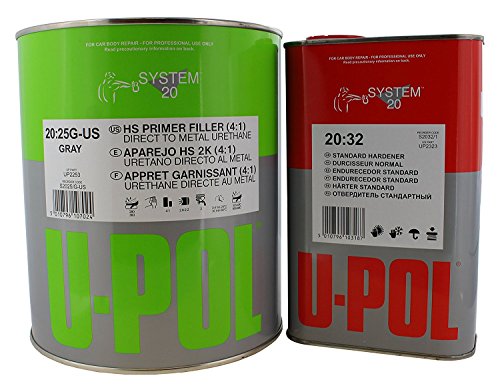
Next, I choose a quality primer, particularly designed for laminate or veneer surfaces. Applying primer creates a vital barrier, enhancing paint adhesion and durability. A foam roller offers an even application, achieving a smooth finish. After the primer dries, it’s essential to lightly sand the surface for the best results.

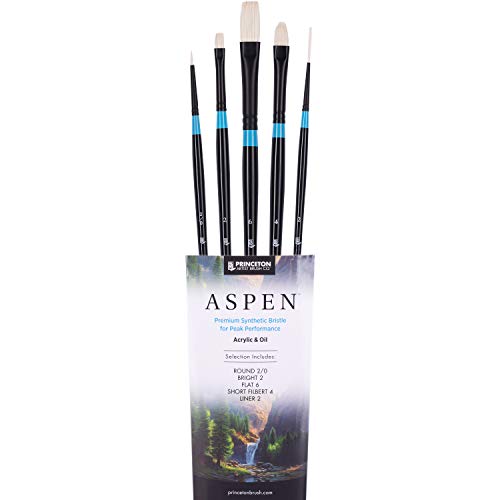

When selecting paint, I opt for an acrylic or chalk-based product. These types not only come in various colors but also provide a rich, matte finish. I apply multiple thin layers rather than one thick coat to prevent drips and unevenness. Allow ample drying time between layers to ensure a flawless appearance.
Lastly, to seal my masterpiece, a clear topcoat is a must. This final layer enhances durability and protects against scratches and stains, ensuring the piece remains beautiful for years to come. By following these steps, I enjoy a stunning and personalized upgrade to my boring essentials.
Tips for Refreshing Your IKEA Pieces
Begin with a thorough cleaning of the surface. Use a mix of warm water and mild soap to eliminate dust and grease, ensuring the new coating adheres properly. Allow it to dry completely before moving on.
Choose the Right Materials
Select a high-quality primer suited for non-porous surfaces. This will create a strong foundation for the color you wish to apply. For the top coat, opt for paint formulated for furniture; water-based acrylics provide durability and ease of application.
Application Techniques
Use a high-density foam roller for a smooth finish on flat surfaces and a brush for detailed areas. Apply in thin layers, allowing each coat to dry before adding another. This prevents drips and streaks, resulting in a more professional appearance.
Select the Right Type of Paint for IKEA Materials
Choosing acrylic or latex paint is ideal for surfaces like particleboard and MDF. These options adhere well and provide a durable finish.
For a glossy look on laminate or melamine, opt for oil-based paint. This type offers a hard, glossy finish that resists scratches effectively.
If you want quick drying and odor-free options, spray paint can be considered. It works excellently on smooth surfaces and gives an even coat.
Use a primer specifically designed for slick surfaces if the material has a glossy finish. This step ensures better paint adherence and longevity.
For eco-friendly choices, consider water-based paints that are low in VOCs. They are less toxic and safe for indoor use.
Test any paint on a small, inconspicuous area before applying it to the entire item. This ensures compatibility and satisfaction with the color and finish.
If looking for a distressed or vintage effect, chalk paint is suitable. It adheres well and can easily be sanded for a weathered look.
Remember to consult paint labels for instructions, drying times, and compatibility to achieve the best results.
Prepare the Surface for Painting
To ensure a smooth application and lasting finish, I always begin by cleaning the piece thoroughly. I use a mixture of warm water and a mild detergent to remove dirt and grease, then rinse and dry completely. For surfaces that are glossy or shiny, I lightly sand them with fine-grit sandpaper to create a better grip for the paint.
Next, I focus on repairing any imperfections. Dings and scratches can be filled with wood filler, which I apply with a putty knife. Once dry, I sand these areas flush with the surface for an even finish.
After repairs, I wipe down the entire surface with a damp cloth to remove dust particles created during sanding. This step prevents debris from ruining the paint finish. I let it dry completely before proceeding.
| Step | Action |
|---|---|
| 1 | Clean surface with warm, soapy water |
| 2 | Lightly sand glossy areas |
| 3 | Fill dings and scratches with wood filler |
| 4 | Sand repaired areas flush |
| 5 | Wipe down the surface with a damp cloth |
These steps help create an optimal foundation for a beautiful and durable paint job. Always allow sufficient time for drying between each step to gain the best results.
Choosing the Right Tools for a Smooth Finish
Investing in high-quality brushes and rollers is crucial for achieving a flawless look. I prefer synthetic brushes for water-based paints due to their ability to create smooth strokes without leaving bristles behind. A 2- to 3-inch angled brush works well for edges and corners, while a foam roller provides an even finish over larger areas.
For surfaces with texture, a microfiber roller can help ensure better paint coverage. A sanding block or fine-grit sandpaper is also important for preparing surfaces and smoothing between coats. I typically use 220-grit sandpaper to lightly scuff the finish before applying any paint.
Masking tape is a must for protecting areas that shouldn’t be painted. I opt for low-tack tape to avoid peeling off existing finishes. To ensure precision, I cut the tape with a utility knife after applying it. A quality drop cloth protects floors from spills and drips, while a paint tray simplifies the application process.
Lastly, don’t underestimate the importance of personal protective equipment. A good mask, gloves, and safety goggles keep me safe from fumes and dust particles during the project. Having the right tools not only promotes a better finish but also makes the entire process smoother and more enjoyable.
Applying Primer to Enhance Paint Adherence
For optimal results, applying a primer is a non-negotiable step. It creates a strong bond between the base material and the topcoat, enhancing durability and finish quality.
Selecting the Right Primer
- Choose a water-based primer for easy application and cleanup.
- If dealing with higher gloss surfaces, opt for a shellac-based or oil-based primer for better adhesion.
- Verify compatibility with the paint type you plan to use.
Application Tips
- Ensure the surface is clean, dry, and free of dust or grease before priming.
- Use a high-quality brush or roller for a smooth application. Avoid using brushes with synthetic bristles on oil-based primers.
- Apply an even coat, allowing it to dry completely per manufacturer’s instructions before adding a second coat if necessary.
Following these guidelines will significantly improve the end result, providing a solid base for your chosen finish.
Step-by-Step Guide to Painting Techniques
I recommend using a technique called brush-and-roll for an even coat. Here’s how I approach it:
- Gather Supplies:
- High-quality paintbrush for edges.
- Textured roller for flat surfaces.
- Paint tray for easy loading.
- Apply Paint with Brush First:
I start by using the brush to paint corners and smaller areas. This ensures coverage without leaving roller marks.
- Roll Paint on Larger Surfaces:
Next, I dip the roller into the tray and apply paint in sections, using a W or M motion to distribute it evenly. This minimizes visible lines.
- Back-Track for Smoothness:
I go over rolled areas lightly with a brush to blend any texture differences after rolling.
- Dry and Inspect:
After the first coat, I let it dry completely before analyzing for patches or thin spots, then decide if a second coat is necessary.
- Final Touches:
Once dry, I inspect edges and corners, making any necessary touch-ups with a fine brush to perfect the look.
For different types of finishes, I might adjust my technique:
- For Glossy Finishes:
I use a foam roller to prevent bubbles.
- For Chalk Paint:
Applying with a brush helps create that textured, matte look.
Patience and attention to detail during each pass make a significant difference in achieving a professional appearance.
Finishing Touches: Sealing and Protecting the Paint
To ensure the longevity of my newly painted item, I always apply a protective sealant. This step prevents chipping and fading, preserving the vibrant look of the surface. A clear acrylic sealer works particularly well; it’s durable and provides a matte or glossy finish depending on my preference.
Selecting the Right Sealant
I choose between water-based and oil-based sealants. Water-based options are quicker to dry and emit fewer fumes, making them suitable for indoor projects. Oil-based products, while taking longer to cure, offer superior durability. I assess the environment where the piece will be used to decide.
Application Tips
Before sealing, I make sure the paint is completely dry. Using a clean brush or a foam applicator, I apply the sealant in thin, even coats. I focus on high-contact areas and allow each layer to dry fully before applying the next one. Two to three layers usually provide optimal protection.
Tips for Maintaining Your Newly Painted Furniture
To keep your refreshed home décor looking pristine, I recommend using coasters for drinks and avoiding direct placement of hot items. This simple practice helps prevent scratches and heat damage.
Regular dusting with a soft microfiber cloth is key. This prevents buildup that can lead to dull surfaces or scratches over time.
Consider using a gentle cleaner specifically designed for painted surfaces during your routine cleaning. Avoid harsh chemicals that can strip away the finish.
Inspect for chips or wear periodically. Touching up minor flaws immediately can prevent the need for extensive repairs later.
If the furniture is in high-traffic areas, applying a new layer of protective sealant annually can significantly extend its life and maintain its aesthetic appeal.
Keep the item out of direct sunlight to minimize fading. Adjust window treatments as necessary to control light exposure.
Finally, maintain a consistent temperature and humidity level in the room. Rapid fluctuations can affect the integrity of the paint. Ensure proper ventilation while avoiding damp conditions, which can deteriorate the finish.
FAQ:
What type of paint should I use to repaint Ikea furniture?
Choosing the right paint for Ikea furniture mainly depends on the material of the piece. If it’s made of laminate, a primer designed for slick surfaces is necessary, followed by a latex or chalk paint for the actual color. For solid wood or MDF, you can use acrylic paints or alkyd-based paints. It’s often advisable to look for paints labeled as furniture paint, as they are designed to adhere well to furniture surfaces and provide a durable finish.
How can I prepare Ikea furniture for repainting?
Preparation is key for a successful repainting project. First, clean the furniture with a mixture of soap and water to remove any dirt and grease. If the surface is glossy, lightly sand it with fine-grit sandpaper to create a better bond for the paint. For laminate surfaces, using a primer is crucial after sanding. Ensuring that the furniture is completely dry before painting is important to avoid issues with paint adhesion.
Do I need to apply a primer before painting Ikea furniture?
Using a primer is highly recommended, especially for laminate surfaces. A primer creates a bonding layer that helps the paint adhere better and improves the overall finish. If you’re painting over a dark color with a lighter one, a primer can also help the new color appear more vibrant. However, if you’re using a paint specifically designed for furniture, it might contain primer properties, allowing you to skip this step.
What techniques can I use to achieve a smooth finish?
To achieve a smooth finish when repainting Ikea furniture, use a high-quality brush or roller designed for smooth surfaces. Apply the paint in thin, even coats, allowing sufficient drying time between coats. If using spray paint, keep the can moving to avoid drips. Sanding lightly between coats with fine-grit sandpaper can help eliminate brush strokes and imperfections, leading to a more polished final look.
How can I protect freshly painted Ikea furniture?
To protect your freshly painted furniture, consider applying a clear topcoat or sealant once the paint has fully dried. This additional layer acts as a barrier against scratches, stains, and moisture. There are various finishes available, including matte, satin, and gloss, depending on the look you prefer. Always ensure the paint is cured properly before using the furniture, as this will provide optimal durability.
What materials do I need to repaint IKEA furniture?
To repaint IKEA furniture, you’ll need a few essential materials. First, choose a high-quality primer suited for the type of surface you are working with (wood, laminate, etc.). Next, select a paint that is durable and suitable for furniture—latex or chalk paint works well for most items. You’ll also need sandpaper for surface preparation, a clean cloth to remove dust, a paintbrush or roller for application, and a topcoat or sealant for added protection once the paint has dried. Make sure to work in a well-ventilated area and wear appropriate protective gear.
Can I repaint IKEA laminate furniture, and how is it different from painting wood?
Yes, you can repaint IKEA laminate furniture, but there are some differences compared to painting wood. Laminate has a smooth, non-porous surface, which means it requires proper preparation for the paint to adhere well. Begin by cleaning the laminate thoroughly, then lightly sand the surface to create some texture. Using a good primer designed for laminate is crucial, as it helps the paint stick better. Once primed, you can use a paint suitable for laminate surfaces. After painting, a protective topcoat can enhance durability and finish. This method ensures a better outcome than simply painting over a laminate surface without preparation.


