
 Caleb Turner

Begin with ice cubes or dry ice. Place them inside a plastic bag and apply them directly to the resin for several minutes until it hardens. This technique allows for easier scraping.
Once frozen, use a plastic scraper or credit card to gently lift the hardened substance. Avoid metal tools, as they can scratch the surface of your patio pieces.
Afterward, apply a mixture of warm soapy water and a soft cloth to clean the area. For stubborn spots, isopropyl alcohol or a specialized cleaner will assist in breaking down the residue effectively.

Finally, rinse with clean water and dry with a soft towel to restore the shine of your outdoor items. Regular maintenance will help prevent future issues with sticky substances.
Removing Sticky Residue from Outdoor Seating
For stubborn deposits on your outdoor seating, vinegar works wonders. Dampen a cloth with white vinegar, apply it to the area, and let it sit for a few minutes. Then, use another cloth to scrub gently. Rinse with water afterward to ensure no residue remains.
Utilizing Rubbing Alcohol
Another option involves rubbing alcohol. Apply a small quantity directly onto the affected spot, using a clean cloth to rub in circular motions. This approach is particularly effective on metal and plastic materials. After the residue breaks down, wipe the area clean with a damp cloth.
Commercial Cleaners
If home remedies don’t yield the desired results, consider specialized products designed for tackling sticky substances. Follow the manufacturer’s instructions carefully for safe and effective application. Always test a small hidden area first to ensure compatibility with your outdoor pieces.
Identify the Type of Sap on Your Furniture
Begin by assessing the origin of the residue. Different trees produce distinct types, and knowing the source aids in selecting the right technique for extraction.
Here are common types to consider:
| Type of Resin | Description</th | Source Tree |
|---|---|---|
| Pine | Thick and sticky, often amber-colored; can dry and become hard. | Pine trees (various species) |
| Oak | Dark, thick consistency; tends to be more challenging to eliminate. | Oak trees |
| Maple | Syrupy, often sweet-smelling; can be transparent to light brown. | Maple trees |
| Birch | Thin, sticky; can leave a lighter stain compared to others. | Birch trees |
After identifying which type has affected your outdoor seating, I recommend testing a small section using the appropriate method for effective cleanup. Different compositions require varied approaches for successful eradication. Pay close attention to the texture and aroma to confirm the type, ensuring the chosen treatment aligns with its characteristics.
Gather Necessary Cleaning Supplies for Sap Removal
Prepare your cleaning toolkit before tackling the task. Here’s what I recommend having on hand:
- Rubbing alcohol or hand sanitizer: These contain isopropyl alcohol, which helps break down the resin.
- White vinegar: A natural solvent that can assist in the cleaning process.
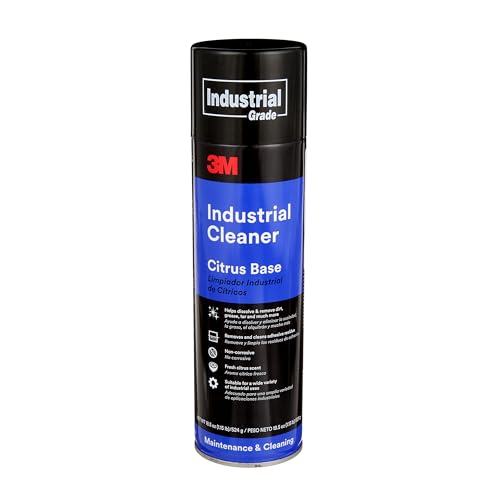
- Citrus-based cleaner: Effective for loosening sticky substances and leaving a pleasant aroma.
- Soft cloths or rags: Needed for applying the cleaning solution and wiping surfaces without scratching.
- Plastic scraper or credit card: Use this to gently lift off dried residue.
- Bucket: Ideal for mixing cleaning solutions or rinsing items after treatment.
- Protective gloves: Essential to safeguard your hands from harsh chemicals.
- Protective eyewear: Recommended if using stronger solvents that might splash.
Having these tools readily available ensures a smoother cleaning process and minimizes damage to surfaces during treatment.
Apply a Solvent to Break Down the Sap
Utilizing a suitable solvent can significantly ease the task of clearing sticky tree resin. I recommend choosing rubbing alcohol or mineral spirits as they effectively dissolve this residue. Apply a small amount to a clean cloth or sponge.
Gently dab the affected area. Avoid excessive pressure to prevent damage to the surface. Allow the solvent to sit for several minutes; this helps to penetrate and break down the resin more efficiently.
Test in an Inconspicuous Area
Before applying the solvent directly, I always test it on a hidden section. This precaution helps ensure that the finish on the outdoor seating isn’t compromised.
Wipe and Rinse
After the solvent has done its work, take a fresh cloth dampened with warm soapy water to wipe away any residue. Rinse thoroughly with clean water to avoid any potential buildup from the solvent.
Use a Soft Cloth for Gentle Scrubbing
I recommend using a soft cloth to tackle any stubborn residue without scratching the surface. Select a microfiber or cotton cloth, as these materials are gentle yet effective for this task.
Moisten the cloth slightly with water or your chosen cleaning solution. Then, gently scrub the affected areas in circular motions. This approach helps to lift the substance without damaging the furniture’s finish. Be patient, applying light pressure and moving repetitively over the spot until the issue starts to lift.
If necessary, switch to a clean section of the cloth frequently to avoid spreading the mess around. Always test on a small, inconspicuous area first to ensure compatibility with the furniture’s material.
Rinse the Area Thoroughly After Cleaning
Once I finish the cleaning process, it’s crucial to rinse the surface well with clean water. This step ensures that all cleaning agents are completely washed away, preventing any potential damage to the material over time.
I use a garden hose for larger areas, ensuring a strong stream of water to remove residues effectively. For smaller sections, a bucket of water paired with a sponge works well. I make sure to cover the entire area where I applied the solvent, paying extra attention to spots that may still contain remnants.
Check for Residue
After rinsing, I visually inspect the surface for any lingering signs. If I spot any, I repeat the rinsing process as needed. This method guarantees that my outdoor seating remains in excellent condition without any harmful leftovers.
Dry the Surface
Finally, I gently dry the area with a clean, soft cloth or allow it to air dry. This prevents water spots and keeps the material looking pristine. Taking these steps helps keep my outdoor seating functional and aesthetically pleasing for longer.
Check for Remaining Residue and Repeat if Necessary
I inspect the cleaned area meticulously after the initial cleaning process. Any remaining spots or glossiness indicates that residues might still be present. In such cases, I take a gentle approach, applying the chosen solvent again to those stubborn areas.
Use Gentle Pressure
I ensure to use a soft cloth, applying gentle pressure while scrubbing. Harsh rubbing can damage the surface, while light circular movements help lift off any remaining residues without causing harm. If necessary, I let the solvent sit a little longer to dissolve the residue effectively.
Final Rinse
After addressing the persistent patches, I rinse the area thoroughly, ensuring all cleaning agents are removed. I check again for any missed spots, repeating the process as needed to achieve a completely clean surface.
Prevent Future Sap Accumulation on Your Furniture
To shield your outdoor seating and table from sticky tree exudate, consider applying a suitable protective coating. Products like outdoor furniture sealants can create a barrier that reduces adhesion.
Using covers while not in use helps keep tree residues away, especially during high sap seasons. Invest in high-quality, breathable furniture covers that prevent moisture accumulation.
Regular cleaning is key. Establish a routine to wash your furniture with mild soap and water, which helps inhibit the buildup of tree stains.
Avoid placing your items directly under trees known for producing high amounts of exudate. If possible, reposition your seating arrangement to a more suitable location.
Lastly, consider landscaping adjustments. Prune nearby trees and shrubs to minimize sap drippings onto your outdoor relaxation area.


