Caleb Turner

For tackling unwanted growth on your upholstered pieces, I recommend starting with white vinegar. Mix equal parts of vinegar and water in a spray bottle and thoroughly mist the affected areas. Allow it to sit for about an hour to effectively neutralize and kill the spores.
After the vinegar solution has done its job, I move on to scrubbing. Use a soft-bristled brush to gently work the mixture into the fabric, focusing on the stained regions. Rinse the brush in clean water often to avoid spreading the spore remnants around.
Next, I ensure the item is thoroughly dried. If possible, place it outdoors in sunlight, as UV rays help to eliminate any lingering spores. If that’s not an option, using a fan or dehumidifier can speed up the drying process indoors. Following these steps can help maintain a cleaner and healthier environment.


Identifying mold on fabric upholstery
I look for discoloration, which often appears as dark spots or patches on the surface. These spots can range in color, including black, green, or even white. I also pay attention to the texture; affected areas often feel damp or slimy. If there’s a musty or earthy smell, that’s a strong indicator of fungal growth. Examining the seams and folds is crucial, as spores tend to accumulate there. I suggest using a flashlight to illuminate darker areas, revealing hidden infestations. If the upholstery is near damp areas, such as windows or kitchens, I investigate more thoroughly, as these places provide an optimal environment for spores to thrive.
<p.Checked areas beneath cushions and along the edges where moisture might linger are also important. I keep an eye out for signs of peeling or bubbling fabric, which may indicate deeper issues with the underlying structure. If I notice any of these indicators, I take immediate steps to evaluate the severity and plan for appropriate remediation methods.
Gathering Necessary Cleaning Supplies
Prepare a focused set of items to tackle the task efficiently.
- Protective gear: rubber gloves and a mask to shield against spores.
- Soft brush: a medium or soft bristle brush for loosening debris.
- Vacuum cleaner: one with a HEPA filter to trap smaller particles.
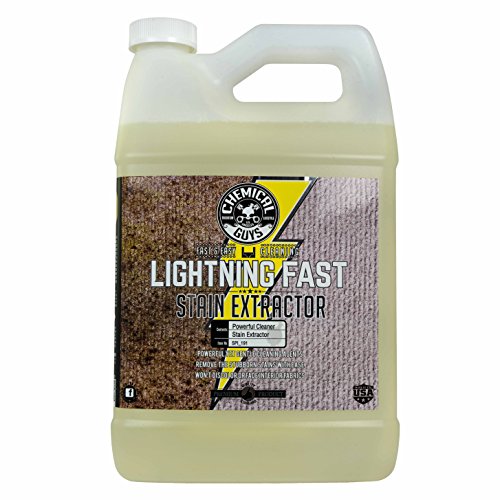
- Cleaning solutions: opt for white vinegar, baking soda, or commercial upholstery cleaner.
- Water: warm water aids in activating cleaning solutions effectively.
- Spray bottle: for applying solutions directly onto surfaces.
- Clean, absorbent cloths: microfiber cloths or paper towels to wipe and blot surfaces.
- Bucket: for mixing and holding cleaning solutions.
- Citrus-based cleaner: a natural deodorizer that can also help break down residual stains.
Gather these tools before beginning for a streamlined approach.
Preparing the Furniture for Mold Removal
I recommend starting by moving the piece outside, if possible. Fresh air and sunlight can work wonders and help assess the situation better. Disassembling any removable components, such as cushions or covers, allows for more effective cleaning.
Assess the Surrounding Environment
Before beginning, check the area around the upholstery. Ensure there’s no moisture around that might hinder the cleaning process. Maintain a dry and well-ventilated space to facilitate the effectiveness of your efforts.
Protect Yourself and Your Space
Wear gloves and a mask to avoid inhaling any spores. Lay down a tarp or plastic sheet on the surface where you’ll be working to catch any debris or cleaning agents. This will simplify cleanup afterward.
| Necessary Protections | Recommended Items |
|---|---|
| Hand Protection | Rubber or nitrile gloves |
| Respiratory Protection | Face mask or respirator |
| Eye Protection | Safety goggles |
| Surface Protection | Tarp or plastic sheeting |
Following these steps will significantly ease the process ahead, setting a solid groundwork for further cleaning efforts.
Applying Cleaning Solutions to the Affected Areas
I apply a cleaning solution directly to the stained areas using a spray bottle for even coverage. It’s crucial to avoid saturating the fabric; a light mist is sufficient. I ensure to follow the instructions on the cleaner carefully, especially concerning dilution ratios if using a concentrated formula.
Techniques for Application
<p I start with a small, inconspicuous section to test for colorfastness. If no discoloration occurs, I proceed with the affected areas. Using a soft cloth or sponge, I gently blot the solution into the fabric, working from the outside of the stain towards the center to prevent spreading. This method helps lift the unwanted growth while protecting the surrounding material.
Rinsing and Drying
After treatment, I dampen another clean cloth with plain water and blot the area to remove any residue from the cleaning solution. It’s vital to thoroughly rinse to avoid any chemical buildup. I then allow the upholstery to air dry completely, which is critical to prevent moisture retention and future issues.
Drying and Preventing Future Growth
Utilize a fan or open windows to enhance air circulation around the upholstered piece. Aim for a well-ventilated area for drying; ensure that the fabric dries completely to avert future issues. I often place the item in direct sunlight for additional drying benefits, as UV light helps inhibit fungal growth.
Regularly vacuum the upholstery with a vacuum equipped with a HEPA filter. This not only removes dust but also keeps potential spores at bay. I recommend applying a fabric protector that includes anti-fungal properties after the cleaning process is complete; this adds an extra layer of defense against humidity.
Monitor humidity levels in the surrounding environment; the ideal range is between 30% and 50%. Investing in a dehumidifier is practical for damp areas. I also make it a habit to check for any leaks or moisture sources nearby, as they can contribute to recurring problems.
Consider using natural solutions like white vinegar or essential oils, which are known for their antimicrobial properties. I often add a few drops of tea tree oil to cleaning mixtures for an added protective effect. Keeping the fabric upholstery away from excessive moisture sources, like unsealed windows or humidifiers without proper maintenance, plays a significant role in long-term preservation.
When to Seek Professional Cleaning Services
I’ve found that in certain situations, calling in experts is the wisest choice. If the problem spans a large area or covers fabric that is delicate or valuable, I recommend turning to professionals. They possess specialized tools and cleaning solutions that can penetrate deeply into the fibers without damaging the upholstery.
Should my attempts to clean yield minimal results or if the issue recurs despite my efforts, enlisting professional help proves beneficial. Their experience often results in more thorough remediation. Additionally, if health concerns arise, such as allergies or respiratory issues that may worsen due to fungal spores, seeking assistance becomes necessary.
For items with sentimental value or historical significance, professionals are equipped to handle them with the care they deserve. Their knowledge ensures preservation while addressing the infestation effectively.
Lastly, if I encounter large-scale contamination, especially in hidden areas, it’s time to bring in specialists. They can assess the situation comprehensively and implement a tailored approach for successful eradication.
FAQ:
What are the best methods to remove mold from cloth furniture?
To tackle mold on cloth furniture, you can use a few effective methods. One option is to mix equal parts white vinegar and water in a spray bottle, then lightly spray the affected area. Let it sit for about 30 minutes before blotting with a clean cloth. Another effective method involves creating a solution of mild detergent and water, applying it to the moldy spots, and scrubbing gently with a soft brush. Afterward, allow the furniture to dry completely in a well-ventilated area. For persistent mold, using a commercial upholstery cleaner specifically designed to treat mold can help.
How can I prevent mold from growing back on my cloth furniture?
Prevention is key to keeping mold at bay. To minimize the risk, ensure that your furniture is placed in a well-ventilated area, away from dampness. Using a dehumidifier in humid environments can help reduce moisture levels. It’s also a good idea to clean and vacuum your cloth furniture regularly, as dust and dirt can contribute to mold growth. If your furniture gets wet, address the moisture immediately by drying it out as quickly as possible. Additionally, consider applying a fabric protector that can repel moisture.
Is it safe to use bleach on cloth furniture to remove mold?
Using bleach on cloth furniture is generally not recommended, as it can discolor and damage the fabric. While bleach can kill mold spores, it may cause more harm than good. Instead, consider using vinegar, baking soda, or a diluted detergent solution, which are all effective against mold without the risks associated with bleach.
What are the signs that my cloth furniture has mold?
Signs of mold on cloth furniture include visible black, green, or white spots, as well as a musty odor emanating from the fabric. If you notice any discoloration or texture changes, such as a fuzzy feeling on the surface, it’s important to address the situation promptly. Additionally, respiratory issues or allergic reactions when near the furniture may indicate a mold problem.
Can I wash moldy cloth furniture covers in a washing machine?
Yes, many removable fabric covers can be washed in a washing machine, but it depends on the care instructions. Before washing, check the label for recommendations. If the fabric is machine washable, use hot water and add a cup of white vinegar to the wash cycle, which can help eliminate mold spores. However, if the covers are not removable or are made of delicate materials, spot cleaning may be the safer choice.
What are the best methods to remove mold from cloth furniture?
To effectively remove mold from cloth furniture, you can use a combination of methods. First, ensure the area is well-ventilated to prevent spores from spreading. You can start by vacuuming the fabric with a HEPA filter to capture loose mold spores. Next, prepare a cleaning solution using equal parts water and white vinegar or a mixture of water and mild soap. Apply it to the affected areas with a cloth, gently scrubbing until the mold is lifted. After that, rinse the area with clean water and let the furniture dry completely, preferably in the sun. If the mold persists, consider using a commercially available mold remover designed for fabrics.