
 Caleb Turner
To tackle the stubborn residue on your wooden pieces, I recommend using a mixture of equal parts vinegar and olive oil. This combination not only cleans but also conditions the surface, enhancing its natural sheen.
Begin by applying the solution to a soft, lint-free cloth. Gently rub the affected areas in a circular motion, allowing the mixture to break down the layers of buildup. For tougher spots, you might consider letting the solution sit for a few minutes before wiping it off.
Afterwards, buff the surface with a dry cloth to restore shine. For enhanced results, incorporating a few drops of essential lemon oil can add a fresh scent and provide extra cleansing power. Storing your wooden items in a dry environment will also help prevent future accumulation of residue.
Steps for Clear Surfaces
Heat is your ally in tackling residue on wooden surfaces. I use a hair dryer on low heat, keeping it at a distance of about six inches. This loosens the old layer, making it easier to wipe away.
Solution Mixture
Combine equal parts of white vinegar and olive oil in a spray bottle. Lightly mist the area, allowing the solution to sit for a few minutes. The acidity in vinegar works on the grime, while the oil provides nourishment to the wood.


Cleaning Technique
Grab a soft cloth or microfiber towel. Gently wipe the area using circular motions, ensuring not to apply excess pressure to avoid damaging the surface. You’ll notice the buildup lifting away.
| Ingredients | Purpose |
|---|---|
| White Vinegar | Removes residue |
| Olive Oil | Conditions wood |
| Heat (Hair Dryer) | Loosens buildup |
| Soft Cloth | Prevents scratching |
After cleaning, I always follow up with a wood polish to restore shine and protection. Regular maintenance with gentle cleaners will help keep surfaces looking their best.
Identifying Signs of Wax Buildup on Furniture
I often notice a few key indicators that suggest an accumulation of coating on surfaces. First, the finish appears dull and lifeless. Instead of a glossy sheen, surfaces can look flat or cloudy, which is a clear sign that the protective layer may be thickening.
An uneven texture is another telltale sign. When running my fingers across a surface, I can feel rough patches or areas that stick, suggesting excess residue. If I notice that dust and dirt collect more readily on certain spots, it’s usually due to the sticky nature of the buildup.
I also pay attention to how objects interact with the surface. If I find it difficult to move items smoothly or if they leave behind trails, this often indicates that the surface has developed a tacky layer. Lastly, if I observe that the color of the finish seems to darken or yellow over time, this could be a clear indication of an excess of products applied over the years.
Choosing the Right Cleaning Supplies for Wax Removal
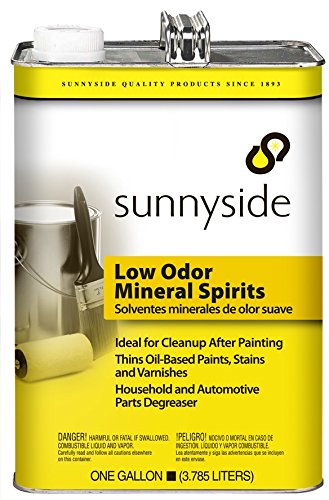
I recommend using a few specific items for this task: soft cloths, a plastic scraper, and a suitable solvent. Microfiber cloths are gentle and effective at lifting residue without scratching surfaces. A plastic scraper helps dislodge stubborn deposits without damaging the finish.
Recommended Solvents
For dissolving residue, opt for a solvent like mineral spirits or denatured alcohol. These agents can penetrate and break down the accumulation without harming most wood finishes. Always test a small, inconspicuous area before proceeding with cleaning. Avoid ammonia-based cleaners, as they can strip protective coatings.
Protection Gear
Don’t forget to use gloves to protect your hands. If working in a poorly ventilated space, a mask will prevent inhaling fumes from solvents. Safety is paramount, so be mindful of your environment while tackling the buildup.
Safe Techniques for Removing Wax from Wooden Surfaces
To tackle the accumulated residue effectively, I suggest utilizing heat as a primary approach. A hairdryer set to a low setting can gently melt the substance, making it easier to wipe away. Maintain a safe distance to prevent damage to the wood.
Another method involves dampening a soft, lint-free cloth with mineral spirits. Lightly rub the affected area in a circular motion. Always test the spirits on a hidden section first to ensure compatibility with the finish.
Using a plastic scraper or credit card can help dislodge thicker layers. Be cautious not to scratch the surface; a gentle touch is crucial.
For a natural solution, I recommend a mixture of olive oil and vinegar in equal parts. Apply it with a soft cloth, ensuring not to saturate the wood. The oil nourishes while the vinegar helps lift the residue.
Always remember to follow up with a clean, dry cloth to remove any excess moisture or product. After treating the area, allow it to air dry to prevent trapping any remaining residue.
Finally, to maintain the wood’s appearance, apply a suitable polish or conditioner after successful cleaning. This step restores luster while providing a protective layer for the future.
Using Heat to Melt and Wipe Away Residue
To efficiently handle the accumulation on surfaces, I employ heat as a primary method. A hairdryer is my go-to tool; I set it to a low setting and keep it several inches away from the surface to prevent damage. The warm air softens the buildup, making it easier to wipe away.
While applying heat, I gently move the dryer in a circular motion, allowing the warmth to reach more areas evenly. Once I notice the surface starting to shine, I quickly take a clean, soft cloth and wipe away the melted remnants. It’s crucial to work swiftly before the heat dissipates.
If I encounter stubborn areas, I repeat the process, ensuring I apply just enough warmth to avoid warping or damaging the finish. For especially tough spots, I sometimes use a plastic spatula to gently lift off the softened residue, taking care not to scratch the wood.
After addressing the entire area, I finish with a damp cloth to clean any remaining residue. This ensures a smooth and polished look, bringing back the luster of the original surface.
Always remember to test any tools or heat settings on a small, inconspicuous area first. This precaution guarantees that the surface remains intact and avoids unwanted alterations.
Natural Solutions for Wax Buildup on Furniture
Citrus-based cleaners stand out for tackling stubborn residues. I mix a few drops of lemon or orange essential oil with water in a spray bottle, then apply the solution to the affected area. After letting it sit for a minute, I gently wipe with a soft cloth.
For a versatile option, vinegar is my go-to. I combine equal parts of white vinegar and olive oil, creating a natural cleaner. This mixture not only helps in loosening any accumulation but also nourishes the surface, leaving it shiny.
Baking soda works wonders as an abrasive cleaner. I create a paste using baking soda and water, applying it gently to the surface with a soft sponge. Rinsing with a damp cloth afterward ensures no residue remains.
Another effective choice is the use of beeswax. I apply a small amount to the affected areas, allowing it to soften the buildup. After a brief wait, I polish with a clean cloth, effectively lifting impurities.
- Always test any solution on a small, inconspicuous area first.
- Use natural fibers for cloths to avoid scratching the surface.
- Apply any mixture sparingly to prevent excessive moisture on the wood.
Each natural option I’ve tried varies in effectiveness depending on the type of surface, so experimentation with these methods may lead to the best results for your specific needs.
Restoring Shine After Wax Removal
To revive the luster of surfaces after tackling residual coating, I incorporate a simple combination of mineral oil and a soft microfiber cloth. Applying a few drops of mineral oil directly onto the cloth allows me to gently buff the wood, enhancing its natural sheen.
It’s key to work in small sections, moving in the direction of the grain. This method not only brings back a glimmer but also nourishes the wood, preventing future drying and cracking.
For a deeper shine, I opt for a mixture of equal parts vinegar and olive oil. Once blended, I use a soft cloth to apply this solution. The vinegar breaks down any lingering particles while the olive oil conditions the surface, producing a beautiful finish.
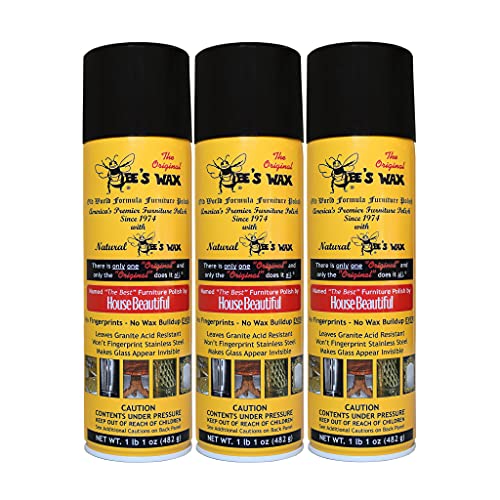
For finishes made from lacquer or polyurethane, I utilize a specialized furniture polish designed for these materials. Following the product instructions ensures optimal results. Spraying the polish lightly and buffing with a clean cloth yields an impressive shine without streaks.
Additionally, it’s beneficial to regularly dust the surface with a gentle feather duster or microfiber cloth to maintain its appearance. This simple habit prevents dirt accumulation and allows the natural beauty of the wood to shine through consistently.
For those looking for a longer-lasting solution, considering a high-quality beeswax-based polish after the initial revival can create a protective barrier, extending the shine while facilitating easier future maintenance.
Preventing Future Wax Buildup on Furniture
I recommend applying a high-quality furniture polish that creates a protective barrier against residue. This can significantly limit accumulation over time. Regularly dusting surfaces with a microfiber cloth will help keep dirt and oils at bay, reducing the need for product application.
Establish a maintenance routine that includes cleaning with a damp cloth every few weeks. Avoid using products containing silicone or petroleum, as these can contribute to buildup. Instead, consider natural alternatives such as oils derived from lemon or olive, which provide nourishment without leaving a film.
I find it beneficial to keep humidity levels stable. Excess moisture can lead to an increase in the sticky buildup. Utilize dehumidifiers or air conditioning in damp environments to ensure a dry atmosphere.
Store items like candles or decorative pieces on coasters or trays. This prevents direct contact and minimizes the risk of drippage. Additionally, if you have pets, consider areas that they frequent–keeping surfaces clear of their access can further prevent potential stains or residues.
Lastly, periodically inspect your surfaces for any signs of buildup. Addressing small issues promptly can prevent them from developing into larger problems. Regular vigilance is key to maintaining the beauty and integrity of your pieces.


