
 Caleb Turner
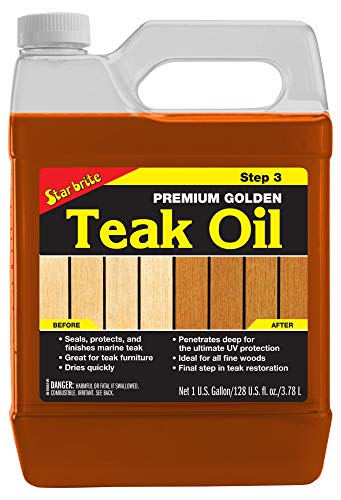
I recommend applying a thorough cleaning method to your wooden items first. Use a mixture of warm water and mild soap with a soft cloth. This approach helps eliminate dirt and grime that accumulates over time without damaging the wood’s surface.
Next, focus on repairing any scratches or dents. For minor imperfections, a mixture of natural oils and wax can work wonders. Simply apply it with a soft cloth and buff to restore the wood’s original beauty.
Regarding finishing, select a suitable oil or lacquer that enhances the grain while providing protection. Regular applications will maintain the appearance of your treasured pieces for years to come. Always remember to work in a well-ventilated area and allow sufficient drying time between coats.
Finally, consider using felt pads under heavy items to prevent future scratches and damage. Simple preventive measures can keep your beloved wooden treasures in prime condition for generations.


Refresh Your Wooden Pieces
Choose a quality wood cleaner or a mixture of mild soap and water to eliminate grime. Use a soft cloth or sponge to apply the solution gently. Avoid harsh chemicals that can damage the surface. After cleaning, rinse with a damp cloth to remove any residue.
If scratches or dents are present, fine-grit sandpaper works well for smoothing imperfections. Sand lightly, following the grain, to maintain the wood’s texture. After sanding, ensure the surface is clean and free of dust before applying any finish.
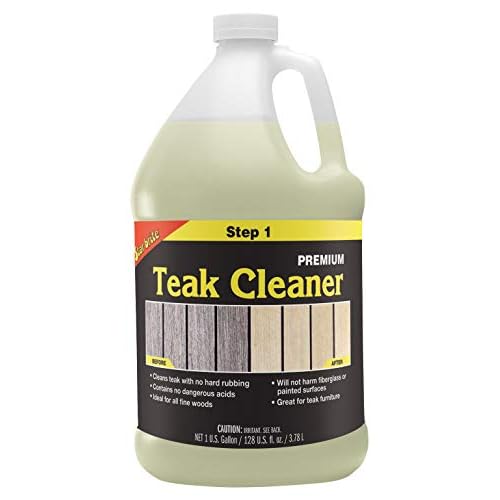
Select an appropriate oil or sealer to enhance the appearance and protect against moisture. Danish oil or teak oil is particularly effective. Apply with a clean cloth, allowing the wood to absorb the oil for several minutes before wiping off excess. Repeat this process for a richer look.
For a glossy finish, consider a clear polyurethane or lacquer. Apply thin layers, ensuring each coat dries thoroughly before adding the next. Sand lightly between coats for a smooth result. Follow the product instructions for optimal application techniques.
Finally, maintain the luster by regularly applying oil or polish every few months. Place your items in a shaded area to prevent fading from sunlight. Avoid exposing them to excessive moisture or heat sources. Regular care ensures lasting beauty and function.
Assessing the Condition of Your Teak Furniture
First, examine the surface for scratches, dents, or discoloration. Use your fingers to feel for uneven textures or rough spots that may indicate wear.
Next, check for signs of water damage or mold. Any dark or damp patches might suggest moisture infiltration that could weaken the material. If you find these areas, assess their extent and consider treatment options.
Inspect joints and connections carefully. Loose or wobbly parts signal potential structural issues. Tightening screws or re-gluing joints may be necessary to restore stability.
Determine whether the finish is intact. A degraded finish can allow elements to penetrate the wood, so look for areas where the color has faded or the sheen is missing. If the finish is compromised, it might be time for a complete refurbishment.
Lastly, evaluate the overall age of the piece. Understanding how long it has been in use helps gauge its value and potential for restoration.
- Feel for scratches and rough textures.
- Look for water stains or mold.
- Check joints for tightness.
- Assess the condition of the finish.
- Consider the age of the piece.
Choosing the Right Cleaning Products for Teak
To maintain the beauty of natural wood, I select products specifically designed for oil-rich varieties. Avoid harsh chemicals and opt for gentle cleaners that effectively lift dirt without stripping oils.
Recommended Cleaners
I prefer a solution of warm water mixed with a mild dish soap. This combination cleans without damaging the surface. For stubborn stains, a specialized teak cleaner can be beneficial; I ensure it is biodegradable and eco-friendly.
Tools for Application
A soft cloth or sponge is ideal for application. I avoid abrasive pads, as they can scratch and dull the finish. For detailed areas, a soft-bristled brush works well to reach in grooves without causing harm.
Steps to Clean and Remove Old Finish
I recommend gathering all necessary materials before proceeding. You’ll need fine-grit sandpaper, a paint stripper suitable for wood, steel wool, a plastic scraper, and a clean cloth. Ensure you’re working in a well-ventilated area and wear appropriate safety gear.
First, apply the paint stripper using a clean brush. Follow the manufacturer’s instructions for timing. Typically, a few minutes will be adequate for the product to soften the existing finish.
Next, I use a plastic scraper to gently remove the softened finish. Take care to avoid gouging the wood underneath. If residue remains, I switch to steel wool dipped in the stripper to scrub gently.
After all old finishes are removed, it’s crucial to neutralize the stripper. I mix a solution of water and mild soap, applying it with a clean cloth. This step ensures that no harmful chemicals are left on the surface.
Finally, rinse any soap residue with a damp cloth and let the surface dry completely. At this point, it’s important to assess the wood’s condition for any further treatment needed.
| Material | Purpose |
|---|---|
| Fine-grit sandpaper | Smoothing the wood surface |
| Paint stripper | Softening old finish |
| Steel wool | Removing stubborn residue |
| Plastic scraper | Gently scraping off the finish |
| Clean cloth | Wiping and rinsing |
Techniques for Sanding Teak Furniture Properly
Use a random orbital sander for a smooth finish. This tool minimizes swirl marks and allows for even pressure on the surface. Start with 120-grit sandpaper to remove the existing finish, then progress to 220-grit for a finer surface without deep scratches.
Always sand in the direction of the wood grain. This technique helps maintain the natural pattern and avoids visible scratches. Avoid circular motions, as they can create noticeable marks on the surface.
Keep the sander moving continuously to prevent overheating any sections. Overheating can cause damage and uneven surfaces. I often lift the sander occasionally to check progress and ensure an even finish.
Use a vacuum or a damp cloth to remove dust between sanding grits. This step is crucial for achieving a clean surface, allowing the final coat to adhere properly.
Wear a dust mask and goggles to protect yourself from fine particles. Wood dust can be harmful, and adequate protection is necessary during this process. Regularly change the sandpaper when it becomes clogged to maintain effectiveness.
After completing the sanding process, inspect the surface for any missed areas. Touch up any spots that require additional sanding before proceeding with finishing steps.
Applying New Finish: Oils vs. Varnishes
I recommend using oils for a more natural appearance and feel. Tung oil and Danish oil penetrate deeply into the wood, enhancing its grain while offering a level of moisture resistance. After application, maintain the finish by reapplying oils periodically, which is simple and ensures ongoing protection.
Varnishes provide a tougher layer of protection against scratches and spills. They form a hard coating on the surface, which is suitable for pieces that undergo frequent use. However, their application requires more skill, as achieving an even coat without bubbles can be tricky. Once it wears, entire sections may need to be sanded down and refinished, unlike oils that can be touched up easily.
Consider the environment where the piece will reside. If it’s in a high-traffic area, varnish may be the best choice due to its durability. For items that are decorative or less frequently used, oils can provide that desired warmth and depth. Assess the intended use and aesthetic preference before making your decision.
Regardless of your choice, proper application is key. Ensure the surface is clean and dry before proceeding. Follow the manufacturer’s instructions for both types of finish, and consider using a test area to see how the material reacts. With careful attention, both oils and varnishes can offer beautiful results, enhancing the character of the wood.
Restoring the Natural Color of Teak
To bring back the original hue of this exquisite wood, I first evaluate its current appearance. Discoloration from sun exposure or age can often be minimized through careful cleaning and treatment.
Here’s a step-by-step process:
-
Clean the surface thoroughly using a mild detergent mixed with water. This removes dirt and grime, allowing the true color to reveal itself.
-
Use a mixture of white vinegar and water (1:1 ratio) as a natural cleaner; this helps cut through oil residues without harsh chemicals.
-
After cleaning, inspect any areas that may require additional attention. If faded patches remain, consider using a commercial teak brightener specifically intended for this purpose.
-
Once you’ve applied the brightener according to the manufacturer’s instructions, rinse thoroughly to ensure all residues are removed.
-
Allow the wood to dry completely before proceeding to any further treatments. This step is crucial for effective color restoration.
After the piece is dry, applying the right oil will enhance its natural beauty. I prefer using pure teak oil or a blend that promotes richness without altering the wood’s charm. This not only restores color but also helps protect against future damage.
For maintenance, a periodic application of oil can keep the wood looking fresh, enhancing its warm tones over time. Regular cleaning and reapplication are key to preserving the appearance.
Maintenance Tips to Preserve Refurbished Teak
Regularly apply a suitable oil to protect the surface from moisture and UV rays. I find that using natural oils like tung or Danish oil gives a lovely finish and enhances the wood’s natural beauty.
Wipe down the surface with a soft, damp cloth every few weeks to remove dust and debris. Avoid using abrasive pads or harsh chemicals that might damage the finish.
Place coasters under beverages to prevent water rings and stains. This simple step can save a lot of hassle in maintaining the surface quality.
Invest in a breathable cover if the item is exposed to the elements. This helps to guard against rain and direct sunlight, which can cause fading and deterioration over time.
Inspect periodically for signs of wear, such as scratches or fading. Address any issues promptly by lightly sanding and reapplying finish as needed.
Store items indoors during extreme weather conditions. This prevents damage from humidity or freezing temperatures, which can warp and crack the wood.
Finally, avoid placing your revitalized piece near heating vents or radiators, as excessive heat can dry out the wood and lead to cracks. By following these practices, I ensure that my restored treasures remain beautiful for years to come.
When to Seek Professional Help for Refurbishment
Consult a specialist if your pieces exhibit extensive damage, such as deep scratches, cracks, or structural issues that require repair. Professional restoration is recommended when the existing finish is beyond saving or involves intricate details that may need specialized tools and techniques. If you feel overwhelmed by intricate restoration tasks or lack the necessary experience, it’s wise to contact an expert.
Consider hiring a professional for projects that require the use of chemicals or power tools, especially if safety concerns arise. If you notice pervasive staining or discoloration, a skilled craftsman can effectively address these challenges, restoring the original beauty without the risk of further damage.
For intricate designs, carvings, or inlays that could be harmed during the refurbishment process, engaging a trained restorer ensures that these details are preserved and enhanced correctly. In summary, I found engaging professionals is beneficial for complex repairs, safety concerns, and preserving artistic elements effectively.
Storing Teak Furniture to Prevent Damage
Choose a dry, climate-controlled environment for your items. Avoid areas with high humidity, as moisture can lead to warping and mold growth. A temperature range between 60-75°F is ideal.
Utilize protective covers made from breathable materials to shield against dust and scratches. Avoid plastic covers; they can trap moisture and create a breeding ground for mold.
Elevate the pieces off the ground using furniture pads or a platform to prevent water damage from direct contact with the floor. This is particularly vital in basements or garages.
Store as many items as possible indoors, particularly during the off-seasons. If outdoors storage is unavoidable, ensure their placement is away from direct sunlight and rain exposure.
Regularly check on the condition of your possessions, looking for signs of deterioration or insect infestation. Early detection allows for timely intervention, preserving their quality for longer.
For outdoor items, consider applying a UV protectant before storage, enhancing resistance to sun damage. This preparation can prolong longevity significantly.
Ensure ample ventilation around your possessions during storage to mitigate risks of trapped moisture and heat, which can accelerate damage.


