
 Caleb Turner

First, prepare the area where you’ll renew the surfaces by removing any dirt or grime. A mixture of mild soap and water works wonders for cleaning. Scrub the pieces with a soft brush, ensuring that you reach all the nooks and crannies. Rinse thoroughly and allow them to dry completely before proceeding.
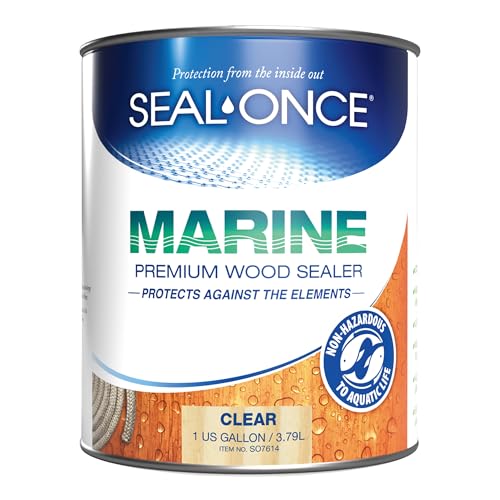
For continued protection against the elements, consider using a quality sealant. This adds a layer of defense against moisture and UV rays. Choose a product formulated for exteriors and apply it with a brush, ensuring even coverage. Follow the manufacturer’s instructions regarding drying time and additional coats.


If the original finish is peeling or faded, stripping it may be necessary. Use a chemical stripper for a thorough approach, but follow the safety guidelines to protect yourself and the environment. Wear gloves and a mask, and work in a well-ventilated space. Once stripped, sand the surfaces smooth with fine-grit sandpaper.
Finishing touches can be done with a stain or paint specifically designed for outdoor use. Opt for shades that complement your garden or patio aesthetics. Apply evenly, allowing adequate drying time between coats to achieve a polished look that will stand the test of time.
Refinishing Process
Before engaging in any maintenance, ensure that the weather is dry and mild, as high humidity can impair the application of finishes. Remove any cushions and other accessories from the pieces. Clean thoroughly with a mixture of warm water and mild soap, scrubbing away dirt and grime using a soft brush. Rinse and let the surfaces dry completely.
Preparation of Surfaces
Inspect for damages and address them. Fill cracks and holes with a suitable filler, matching the original material. Once set, sand the surfaces evenly using fine-grit sandpaper to achieve a smooth finish, ensuring to follow the grain to avoid scratches. For intricate details, a sanding sponge can be handy. After sanding, vacuum or wipe off the dust with a damp cloth.
Choosing and Applying Finish
Select a high-quality sealant or stain designed for exterior use. Apply a thin layer with a brush or cloth, working in the direction of the grain. Allow sufficient drying time between coats as per the manufacturer’s directions. Depending on the desired appearance, two to three coats may be necessary. Finish with a clear protective sealant to enhance durability.
Assessing the Condition of Your Furniture
Begin by examining the surface for any signs of damage, such as cracks, splits, or warping. Any visible imperfections should be documented as these will guide your restoration efforts. If there are areas where the finish is peeling or flaking, take note. Use your fingers to feel for rough patches, as these may indicate deeper issues underneath.
Next, inspect for signs of moisture damage or mold. Look for dark spots or a musty odor, which can indicate that the material has been compromised. A simple test involves sprinkling water on the surface; if it beads up, the surface is likely still protected. If the water absorbs quickly, further treatment is needed.
Evaluating Stability
Check the structural integrity by applying gentle pressure to joints and legs. If anything feels loose or unstable, identify the cause, whether it’s a broken joint or a missing fastener. Reinforcing these areas will be a priority during the restoration process.
Taking Stock of Finishes
Identify the current type of finish, whether it’s paint, varnish, or oil. Assess how well it has held up over time. If there are areas where the finish has aged unevenly or deteriorated, this will inform the materials required for the renewal. Knowing what you are starting with is key to selecting compatible products for the next steps.
Choosing the Right Type of Finish
Selecting the optimal treatment is crucial for ensuring durability and aesthetics. I recommend evaluating three primary categories: sealers, stains, and paints.
Sealants
Sealants provide a protective layer that guards against moisture and UV damage. They are generally clear and preserve the natural look of the timber. Consider a high-quality polyurethane or marine-grade sealant known for its longevity in harsh climates.
Stains
Stains enhance the grain while adding color. They penetrate deeply, offering protection and a visual upgrade. Look for semi-transparent options to showcase the texture of the surface. Brands with low-VOC formulas are preferable for eco-conscious choices.
Paints
If you desire a solid color, choose a paint designed specifically for exterior use. Make sure it contains UV blockers to prevent fading. A latex-based product often provides better flexibility and ease of application compared to oil-based alternatives.
- Assess your desired look: natural, colored, or solid.
- Consider local weather conditions; humid or sunny areas require more robust solutions.
- Evaluate maintenance frequency; some finishes require more upkeep than others.
Ultimately, my recommendation hinges on personal preference and environmental influences. A thorough assessment of your situation will guide you to the best option for preserving and enhancing your investment.
Preparing the Workspace and Materials
I always ensure that my work area is well-ventilated. If working indoors, I open windows and set up fans to circulate air. Outdoors, I pick a dry, shaded spot to avoid direct sunlight that can cause finishes to dry too quickly.
I gather all necessary supplies: sandpaper (various grits), a sanding block, clean rags, a vacuum or broom, paintbrushes, and suitable finishes. Having everything within reach saves time and keeps the process smooth.
Before starting, I lay down a drop cloth or tarp to protect the ground from dust and spills. This also keeps my materials organized and in one place. I keep a bucket of water nearby for cleaning tools and my hands, which is especially handy if I’m working with finishes that require extra attention to clean-up.
Before applying any product, I inspect each item thoroughly for signs of damage or wear. Repairs, such as tightening screws or fixing loose parts, should be made before moving forward. If any piece has deep scratches or cracks, I may use wood filler or epoxy to make it as smooth as possible.
Choosing the right brush for applying finish is also crucial. A high-quality natural bristle brush or a foam applicator can make a significant difference in achieving a smooth application. I avoid cheap brushes, as they can leave behind bristles and streaks.
Lastly, I read all instructions on the products I’m using beforehand. This helps in understanding drying times, application methods, and safety precautions. Proper planning leads to a better outcome in any restoration task.
Cleaning the Surface of the Wood
Begin with a thorough cleaning of the surface to remove dirt, grime, and mildew. I typically mix warm water with a mild soap to create a solution. Using a soft-bristle brush, I scrub the entire area gently to avoid damaging the material. Ensure that all corners and crevices are adequately addressed.
Removing Stains and Mildew
If there are persistent stains or mildew, I apply a mixture of one part vinegar to three parts water. This acts as a natural cleaner. After applying the solution, I let it sit for about 10 minutes before scrubbing again with the soft brush. Rinsing thoroughly with clean water is crucial to prevent any residues from remaining.
Drying the Surface
Once cleaned, I allow the material to dry completely in a well-ventilated area. This step is vital because any moisture left can interfere with the application of finishes. I usually wait at least 24 hours for thorough drying before moving on to the next steps.
Sanding Techniques for a Smooth Finish
Begin with coarse grit sandpaper, such as 80-grit, to remove old finishes and imperfections. Move the paper in the direction of the grain, applying even pressure. Ensure that you maintain a consistent angle to achieve uniform results.
After the initial sanding, switch to 120-grit for smoothing surfaces. This grit will help eliminate scratches left by the coarse paper. Again, sanding should follow the grain’s direction, allowing for a polished look.
Final Touches
For an ultra-smooth finish, a final pass with 220-grit sandpaper will refine the surface. This step is crucial before applying any protective treatment. Don’t forget to sand edges and corners carefully, as these areas often require special attention.
Dust Removal
Once sanding is complete, use a tack cloth or vacuum to remove all dust particles. This preparation will greatly enhance adhesion and overall quality of the final application. Ensure the surface is clean and free from debris before proceeding.
Applying Stain or Paint Evenly
For an even application of stain or paint, I always utilize a high-quality brush or roller designed for the specific product I’m using. It’s critical to select the right tool to avoid streaks or uneven coverage. I start by stirring the stain or paint thoroughly to ensure consistent color and texture throughout.
Moving in the direction of the grain, I apply the finish in thin layers, allowing each coat to dry completely before adding the next. This prevents drips and pooling, ensuring a smooth surface. Maintaining a wet edge while applying is also pivotal–I work in sections, overlapping slightly to prevent lines.
Techniques for Achieving a Uniform Finish
Using a brush, I tap off excess product before applying. This technique helps distribute the finish evenly without overloading the surface. For larger areas, a roller can cover more space quickly, but I always follow up with a brush to maintain a consistent finish.
For excellent results, I often opt for a test patch on a hidden surface to confirm color and finish application. This practice prevents surprises on visible areas and allows for adjustments before committing to the entire piece.
Drying and Curing Times
After application, I adhere strictly to the manufacturer’s recommendations regarding drying time. Rushing through this phase can lead to smudging or damage to the finish. Curing takes longer and is crucial; I’m patient here, often allowing several days for the finish to set properly before using the item.
| Step | Action |
|---|---|
| 1 | Choose high-quality tools |
| 2 | Stir paint or stain well |
| 3 | Apply in thin layers |
| 4 | Maintain a wet edge |
| 5 | Allow proper drying and curing times |
Sealing the Finish for Longevity
After applying the stain or paint, use a high-quality sealant designed for exterior use. This step provides a protective barrier against moisture, UV rays, and other environmental factors that can accelerate deterioration. A polyurethane or spar varnish works well for this purpose. Follow the manufacturer’s instructions regarding application methods, drying times, and re-coating intervals.
Before sealing, ensure the previous layer has completely dried. A light sanding between coats will enhance adhesion and smoothness. Apply the sealant with a clean brush, using long, even strokes to avoid bubbles and achieve a uniform layer. Pay close attention to corners and edges, as these areas are more susceptible to wear.
For optimal protection, consider applying multiple thin coats of sealant rather than a single thick one. Allow adequate drying time between each coat, often 24 hours, to ensure each layer adheres properly. A minimum of two to three coats is generally recommended for durability.
After completing the sealing process, allow the finished item to cure in a well-ventilated, shaded area to achieve maximum hardness and longevity. Regular maintenance, including reapplication of sealant annually or biannually, will extend the life of your piece significantly, keeping it looking fresh and preventing damage.
Proper Drying and Curing Times
I allow each application of stain or sealant to dry completely before moving on to the next step. Typically, this means waiting at least 24 hours between coats. If I am using water-based products, I find they dry faster; however, I still adhere to the 24-hour rule for optimal results.
After the final coat, I wait an additional 48 to 72 hours before exposing the piece to moisture or heavy use. For oil-based finishes, I extend this drying period to a full week, as they require more time to cure properly.
Environmental conditions play a significant role; lower temperatures or higher humidity can slow down drying times. If I’m working in less than ideal weather, I adjust my schedule accordingly. Using fans or a dehumidifier can help speed up drying in humid spaces.
I always check the manufacturer’s instructions for specific recommendations on drying and curing times, as different products may have varying requirements. Lastly, I avoid placing items on the surface until it is fully cured, ensuring longevity and preventing damage.
Regular Maintenance to Extend Lifespan
I focus on routine care for my patio seating and tables, as it significantly contributes to their longevity. A simple cleaning regimen goes a long way in preventing dirt and grime buildup that can cause deterioration.
- Avoid harsh chemicals that may strip the finish. Instead, I use a mild soap solution with warm water to wipe surfaces clean.
- After cleaning, I always ensure that everything is thoroughly dried to prevent moisture retention.
Periodic Inspection
I regularly assess joints and hardware for signs of wear or rust. Paying close attention to these areas allows for early interventions that can prevent more substantial repairs later.
Seasonal Treatments
- In spring, I apply a protective sealant to shield against UV rays and moisture.
- During the fall, I inspect for scratches or damaged areas and address them promptly, maintaining the overall integrity of the pieces.
- Covering items with breathable materials during winter protects against frost and moisture damage.
By following a consistent maintenance routine and addressing small issues promptly, I ensure that my exterior pieces remain appealing and functional for years to come.


