
 Caleb Turner

Begin with a thorough cleaning of the surfaces. A mixture of warm water and mild soap works wonders in removing dirt and grime. Make sure to rinse well and let the pieces dry completely before moving on to the next steps.
Next, inspect for any signs of damage, such as deep scratches or cracks. Fill these imperfections with a wood filler that matches the color of the material. Allow the filler to cure according to the manufacturer’s instructions before sanding it smooth.
Select an appropriate stain or protective sealant designed for outdoor use. Opt for a product that provides UV protection to prevent fading. Apply with a high-quality brush or cloth, ensuring even coverage. Allow sufficient drying time between coats, as advised on the label.
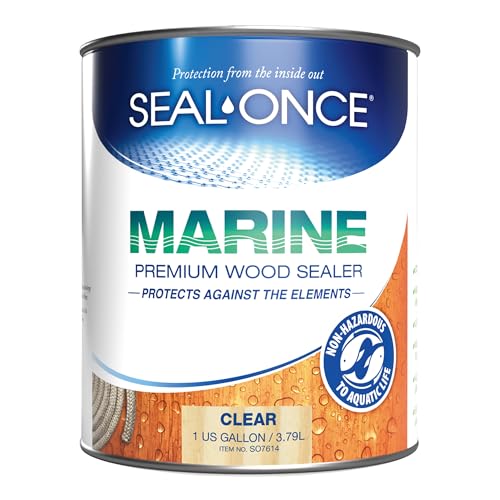


Finally, consider finishing with a clear sealant to enhance durability and extend the lifespan of your outdoor seating. Make sure to reapply the protective layer annually to keep it looking fresh and to withstand the elements.
Refinishing Process for Wooden Outdoor Items
Remove existing coating using a chemical stripper or sander. Ensure to check the manufacturer’s recommendations for the appropriate product. If using a sander, start with a coarse grit and gradually move to a finer grit to achieve a smooth surface.
Prepping the Surface
After stripping, clean the surface thoroughly with soap and water, then allow it to dry completely. It’s crucial to inspect for any damage or rot; repair these areas with wood filler if needed.
Applying New Finish
Select a high-quality outdoor sealant or stain formulated for durability. Apply with a brush or cloth in the direction of the grain. Multiple thin coats yield better results than one thick application. Allow adequate drying time between layers, as specified by the product instructions. For a polished look, consider a final clear coat.
Maintain your revitalized outdoor seating by regularly cleaning and reapplying the sealant as necessary, ensuring longevity and aesthetic appeal.
Choosing the Right Type of Finish for Your Wood
Selecting the proper coating is crucial for enhancing durability and aesthetic appeal. I recommend considering three main types: varnish, oil, and paint. Each option serves distinct purposes and yields various results. Below, I outline their characteristics to aid in your decision.
Comparison of Finishing Options
| Type | Pros | Cons |
|---|---|---|
| Varnish | Durable, water-resistant, UV-protective. | Can be tricky to apply, may yellow over time. |
| Oil | Easy to apply, enhances natural grain, penetrates deeply. | Requires frequent reapplication, lower resistance to scratches. |
| Paint | Wide color selection, excellent coverage, hides imperfections. | May chip or peel, requires more prep work. |
Choosing the Best Finish
For a natural look with easy maintenance, oil might be my go-to. If long-lasting protection is a priority, varnish provides that with a beautiful glossy finish. Paint is best for achieving a pop of color while masking underlying damage. Always consider the environment–sun exposure, rain, and temperature shifts–when making your choice.
Finally, testing a small area with your selected finish ensures compatibility and satisfaction before full application. This will help refine your approach and avoid costly mistakes.
Preparing the Surface: Cleaning and Sanding Steps
Thoroughly clean the pieces with a mixture of warm water and mild soap. Use a scrub brush or sponge to remove dirt, debris, and any old finishes. Rinse well and allow them to dry completely before proceeding.
Cleaning Detail
Pay attention to joints and crevices where grime tends to accumulate. A toothbrush or an old paintbrush can help dislodge stubborn particles. After cleaning, inspect for any signs of mold or mildew, especially if the items have been stored outdoors. If present, treat these areas with a solution of vinegar and water to eliminate growth.
Sanding Technique
Begin sanding with coarse grit paper (about 80-grit) to remove any remaining finish and smooth out rough areas. Follow up with a finer grit (120 or 220) for a smooth surface. Always sand in the direction of the grain to avoid scratching the material. Wear a mask to protect against dust inhalation and goggles to shield your eyes.
After sanding, clean the surface again to eliminate dust particles. A damp cloth works well for this purpose; ensure it’s not overly wet to avoid introducing moisture that could warp the material.
These pre-treatment steps lay a solid foundation for applying a new stain or protective coating, optimizing the durability and appearance of your outdoor essentials.
Removing Old Finish: Techniques and Tools Needed
For stripping the existing coating effectively, several methods and tools can be utilized based on the condition of the surface and the type of finish applied. Here are the most efficient approaches:
Chemical Strippers
Chemical strippers can effectively dissolve various types of finishes. Select a product that is suitable for your material and aligns with your health and environmental considerations.
- Apply the stripper with a brush, ensuring even coverage.
- Let it sit for the recommended time before scraping off the finish using a putty knife.
- Neutralize the stripper with water or a recommended solution, as per the product instructions.
Mechanical Methods
For a more hands-on approach, mechanical methods provide an alternative to chemical strippers.
- Sanding: Use coarse sandpaper (60-80 grit) for initial removal, followed by finer grades (120-220 grit) for smoothing the surface.
- Belt Sanders: These can speed up the process significantly, but exercise caution to avoid gouging the surface.
- Scraping: Use a scraper tool for stubborn areas where finish has adhered tightly, ensuring you maintain the original contours of the item.
Regardless of the method chosen, protect yourself with gloves and goggles. Always work in a well-ventilated area to avoid inhaling fumes or dust. Once the old finish is removed, proceed to clean the surface thoroughly before applying a new coat.
Applying Stain or Paint: Best Practices for a Smooth Application
Choose the right applicator based on the product type. Synthetic bristle brushes work well for water-based stains, while natural bristles suit oil-based options. Foam rollers offer smooth coverage for larger areas, minimizing brush strokes.
Before beginning, ensure optimal ambient conditions: mild temperature and low humidity enhance drying times and application quality. Avoid applying in direct sunlight to prevent uneven drying.
Mix the chosen product thoroughly to ensure consistent color and texture. Test on a small, inconspicuous area to gauge appearance before full application.
Apply the finish using long, even strokes. Work with the grain of the timber to enhance its natural beauty and avoid unsightly runs or drips. If using a roller, follow with a brush to smooth any texture.
For optimal absorption, apply a thin coat initially, allowing it to penetrate the surface. Additional coats can follow as necessary, depending on desired color intensity and protection level. Always adhere to the manufacturer’s recommended drying times between layers.
Inspect the surface occasionally during the application. If you spot any bubbles or imperfections, address them immediately by lightly sanding and touching up with additional finish.
Once finished, cleanse brushes and rollers promptly to maintain their quality for future projects. Proper cleanup contributes to better results during future applications.
Sealing the Wood: Selecting the Appropriate Sealant
Choose a sealant that is specifically formulated for outdoor use to ensure durability against weather elements. My go-to options include polyurethane, which forms a protective layer that resists moisture and UV damage, and spar varnish, known for its flexibility and resilience in varying temperatures.
Consider water-based sealants for a quick drying time and low odor; they provide good protection while being easier to clean up. Oil-based sealants offer deeper penetration and longer-lasting protection but require more time to dry. Examine the label for UV protection features to prolong the beauty of the stain or paint underneath.
If your project will see high traffic, choose a sealant with a semi-gloss or satin finish for added durability and easy maintenance. For a more natural appearance, opt for a matte finish that enhances the grain without gloss. Be mindful of compatibility with previous layers of finish, ensuring that the new sealant bonds properly to the surface.
Before applying, test the sealant in a small, inconspicuous area to evaluate the finish and penetration. This step helps avoid unwanted surprises and ensures your selection complements the existing aesthetic. When ready, follow the manufacturer’s instructions for application method–brush, roll, or spray–and maintain adequate ventilation during the process.
Maintaining Your Refurnished Outdoor Pieces for Longevity
Regular upkeep is crucial for extending the life of your revitalized outdoor seating and tables. Follow these practical steps:
- Clean Frequently: Wipe surfaces with a soft cloth and mild soap solution to remove dirt and grime. Avoid harsh chemicals that could damage the finish.
- Avoid Excessive Moisture: Ensure that cushions and surfaces dry completely after rain. Store items indoors during severe weather to prevent water damage.
- Inspect for Damage: Check for scratches, cracks, or peeling in the finish. Addressing minor issues promptly can prevent further deterioration.
- Reapply Finish Annually: Depending on exposure to sun and weather, consider refreshing the protective layer each year. This will safeguard against fading and wear.
For additional protection:
- Use Furniture Covers: Invest in breathable covers to shield outdoor pieces from UV rays, precipitation, and debris when not in use.
- Position Thoughtfully: Keep furniture away from direct sunlight and harsh elements by placing it under awnings or shades.
- Rotate Seating: Occasionally reorient chairs and tables to ensure even exposure to the elements, minimizing wear patterns.
By consistently following these guidelines, your revitalized outdoor assets will remain in prime condition and enhance your outdoor space for years to come.


