Caleb Turner

For those looking to bring new life to their exterior seating arrangements, begin by thoroughly cleaning the surfaces. Using a mixture of mild detergent and warm water, scrub away dirt and grime with a soft brush. This step is crucial for achieving a smooth finish later on.
After cleaning, inspect for any signs of rust or wear. Apply a rust-inhibiting primer to areas of concern. This provides a strong base for paint and increases durability against the elements. Choose an outdoor-specific spray or brush-on paint for the next layer, ensuring it’s suitable for metal surfaces.
Once painted, allow ample drying time as recommended on the product label. Consider adding a clear protective topcoat for additional resilience. This will shield the surfaces from UV rays and moisture, prolonging the life of your freshly revamped seating.
Regular maintenance, such as periodic cleaning and touch-ups, ensures these pieces remain in prime condition for years to come. By following these steps, you can transform your outdoor seating into a focal point of your patio or garden area.
Refinishing Process for Metal Seating and Tables
The initial step involves thorough cleaning to eliminate dirt, grime, and rust. I use a wire brush or sanding sponge to scrape off any loose paint and corrosion. For stubborn areas, I apply a rust remover solution, letting it sit as per the manufacturer’s instructions before scrubbing.


Surface Preparation
- After cleaning, rinse the pieces with water and dry them completely.
- Next, I apply primer suited for the specific material, focusing on areas with rust or paint damage.
- Allow the primer to dry as recommended–usually a few hours–to ensure a solid base for paint.
Painting Techniques
Using spray paint designed for outdoor use provides an even coat and durability against the elements. I apply multiple light coats, allowing each one to dry to avoid runs and drips. Between coats, I lightly sand with fine-grit sandpaper to enhance adhesion.
- For additional protection, a clear sealant can be applied after the final coat.
- Always ensure the items are completely dry before returning them to their usual spots.
This systematic approach keeps my outdoor decor looking fresh and inviting, extending its life significantly.
Assessing the Condition of Your Metal Pieces
Begin with a thorough visual examination to identify any visible damage. Look for rust patches, dents, or paint peeling. This will help determine the extent of restoration needed.
Identify Signs of Wear
Check for any signs of oxidation, which can compromise the integrity of the structure. Use a soft cloth to remove any surface dirt or debris, allowing a clearer view of the actual condition. Pay attention to joints and connections, as these areas often stress and rust more easily.
Conduct a Functional Test
Test the sturdiness of the item by applying pressure to different areas. Ensure that all parts are stable and secure. If you notice wobbly legs or loose fittings, these issues will need addressing before any restoration work begins.
| Condition Aspect | What to Look For | Action Required |
|---|---|---|
| Surface Damage | Scratches, rust, peeling | Clean and treat surfaces |
| Structural Integrity | Loose joints, stability | Tighten or repair connections |
| Dirt Accumulation | Grime, dust, cobwebs | Thorough cleaning |
After assessing these factors, you will have a clearer insight into what steps to take next for restoring your items. Proceeding with this evaluation lays a solid foundation for any refinement work to come.
Choosing the Right Tools and Materials for Refinishing
Gathering the correct supplies is fundamental. For sanding, I opt for a combination of sanding blocks and electric sanders, depending on the scale of the piece. A fine-grit sandpaper (about 120-220 grit) works effectively to remove old paint without damaging the surface. Having steel wool on hand is useful for intricate areas, providing a smooth finish.
For cleaning, I utilize a mixture of water and a mild detergent to eliminate dirt and grime. A pressure washer can be helpful for larger items but should be used cautiously to avoid surface damage.
Painting Tools
When it comes to the top coat, I prefer spray paint designed for metals, as it provides an even finish and adheres well. Make sure it’s suitable for outdoor use and resistant to fading and corrosion. A paintbrush or roller may be useful for touch-ups or detailed work. In addition, a primer is essential for ensuring proper adhesion and reducing the number of paint layers needed.
Protective Gear
I always wear personal protective equipment, including gloves, goggles, and a mask, to safeguard against harmful particles and fumes. Choice of gear should be dictated by the materials in use and the methods applied.
Organizing my workspace is another important aspect; a clean, well-lit environment speeds up the process and enhances safety. Having drop cloths and masking tape ready helps to protect areas that should remain untouched during painting.
With these preparations, I feel equipped to tackle the project efficiently, focusing on achieving a durable and visually appealing result.
Preparing the Surface: Cleaning and Removing Rust
I begin surface preparation by thoroughly cleaning the items. A mixture of warm water and mild soap is ideal for scrubbing away dirt, grime, and any debris. I prefer using a soft-bristle brush or sponge, as harsh materials may scratch the surface.
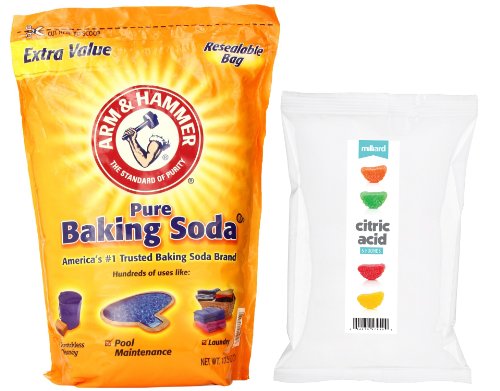
Once the surface is clean, I inspect for any signs of corrosion or rust. For minor rust spots, I apply a rust remover or create a paste using baking soda and water. I then gently scrub the affected areas with fine-grit sandpaper or a steel wool pad until the rust is removed. If rust is widespread, I might need to use a power sander or grinder with appropriate grit pads, taking care to consistently monitor the surface to prevent damage.
Final Cleaning Steps
After addressing the rust, I wash the entire piece again using clean water to remove any remaining residue from cleaning agents or rust removers. I ensure the surface is completely dry before proceeding to the next step.
Protective Measures
To further prevent rust from forming in the future, I apply a rust-inhibiting primer, ensuring it is evenly coated over any previously rusted areas. This step significantly enhances the longevity of the finish, providing a solid foundation for the final coating.
Applying Primer: Steps for a Smooth Base Coat
Before applying primer, clear the area of any dust or debris to ensure a clean application. Choose a high-quality metal primer formulated for the specific type of surface. Ensure it’s compatible with the final coat you plan to use.
Step 1: Selecting the Right Primer
Opt for a primer that offers corrosion resistance, especially for items exposed to the elements. Read product labels and look for rust-inhibiting properties. A spray primer can provide an even finish without brush strokes, while a brush-on version may allow for precise application in hard-to-reach areas.
Step 2: Application Technique
Shake the primer canister well or stir the brush-on version thoroughly. If using a spray, hold the can about 8-12 inches away from the surface. Apply thin, even coats, sweeping the nozzle back and forth across the surface. If using a brush, use long, even strokes to coat the area. Start with edges and corners, then fill in larger surfaces. Allow the first coat to dry completely as recommended on the label before applying a second coat for complete coverage.
Selecting and Applying the Topcoat Paint
The choice of a topcoat paint significantly influences the durability and appearance of your project. Aim for a high-quality paint specifically designed for exterior use. Options include enamel or acrylic formulations that resist fading and provide strong weather resistance. Make sure the paint has UV protection to prevent sun damage and maintain color integrity over time.
Here are steps I follow for application:
- Select the Finish: Decide between matte, satin, or glossy finishes. Glossy provides a shiny look and easier cleaning, while matte offers a more natural appearance.
- Mix the Paint: Thoroughly stir the chosen topcoat. This ensures even color and consistency throughout your application.
- Test a Small Area: Always apply a small amount of paint to an inconspicuous area first. This helps to confirm compatibility with the primer and desired finish.
- Apply Even Coats: Using a spray gun or roller, apply the paint in thin, even layers. Avoid thick applications, as they can lead to runs and drips.
- Allow Drying Time: Adhere to the manufacturer’s recommended drying times between coats. This enhances adhesion and finish quality.
- Sand Between Coats: Lightly sand the surface with fine-grit sandpaper after the first coat dries. This promotes better bonding with subsequent layers.
- Finalize with a Last Coat: Apply a final coat for added protection. Inspect for any imperfections and correct them before the paint fully cures.
Once finished, allow your coated pieces to cure completely before exposure to the elements. Regular maintenance, such as cleaning and touch-ups, will prolong the life of your refreshed items.
Finishing Touches: Sealing and Protecting Your Furniture
I always recommend applying a protective sealant after painting to extend the lifespan of my revamped pieces. Clear acrylic or polyurethane sealers work well. For application, I use a high-quality paintbrush or a foam applicator, ensuring an even coat. It’s essential to apply the sealant in thin layers, allowing each coat to dry completely before adding another layer–typically, two to three coats are optimal for durability.
Before sealing, I check for any imperfections or areas where the paint might have been uneven. Sand these spots gently and touch them up with additional paint before moving on to the sealer. I find that this step prevents the sealant from highlighting any flaws.
I always choose a sealant specifically designed for exterior use. This ensures that it can withstand varying weather conditions, resisting UV damage and moisture. I also pay attention to the drying time; I usually allow 24 hours before exposing my refinished items to the elements.
After sealing, I store my pieces in a dry place if possible, especially during harsh weather. If I must leave them outside, I consider using protective covers during the off-season to prevent exposure to rain, snow, or intense sun.
Maintenance Tips to Extend the Life of Your Furniture
Regularly clean surfaces with mild soap and water to prevent grime buildup. Use a soft cloth or sponge to avoid scratches. Rinse thoroughly and dry with a clean towel.
Storage Solutions
When not in use, store items in a dry, shaded area to reduce exposure to the elements. If storage is not an option, use protective covers that are breathable to prevent moisture buildup underneath.
Periodic Checks
Inspect regularly for signs of wear, such as rust or chipping paint. Address any issues immediately to prevent further damage. Tighten loose screws or bolts to maintain stability and safety.
Consider applying a rust-resistant spray or coating annually for added protection. Clean any debris or leaves that may collect, as they can trap moisture and cause corrosion.
Common Mistakes to Avoid During the Refinishing Process
Skipping the cleaning phase can result in poor adhesion of the new coating. Ensure to remove all debris, grease, and rust before starting. A clean surface promotes better results and helps prevent peeling or chipping later.
Neglecting to test products on a small area can lead to unwanted reactions, like discoloration or bubbling. Always perform a patch test before applying paint or sealant widely to ensure compatibility and desired effects.
Using low-quality paints or primers might seem cost-effective, but can lead to premature wear. Invest in products specifically designed for exterior surfaces to guarantee durability against weather conditions.
Overapplication of Coatings
Applying too thick a layer can cause runs and uneven drying. Thin, even coats allow for better bonding and a smoother finish. Follow the manufacturer’s instructions for recommended application thickness.
Forgetting to Protect Surroundings
Failing to cover surrounding areas can result in unwanted paint splatters or damage to nearby plants and surfaces. Use drop cloths or masking tape to safeguard your workspace during the entire procedure.