
 Caleb Turner
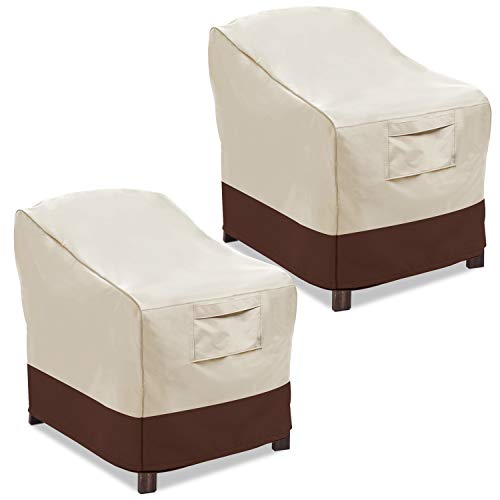
Use breathable covers to shield your seating from moisture and prevent mold growth. These specially designed tarps allow air circulation while keeping snow and rain at bay.
Consider moving items indoors or storing them in a garage. If space is a constraint, elevation is key; raise chairs and tables off the ground to reduce contact with icy surfaces and prevent rusting or rotting.
Regularly clean and condition surfaces made of wood or metal to maintain their integrity. Applying a protective layer before freezing temperatures ensures longevity, allowing you to enjoy them for many seasons to come.
Lastly, keep an eye on the forecast. Timely action before harsh weather hits can save your patio assets from extensive damage.
How to Protect Outdoor Furniture in Winter
Invest in high-quality covers to shield your pieces from moisture and snow. Look for breathable materials that prevent mold and mildew. Select covers that fit snugly to avoid wind from blowing them off.
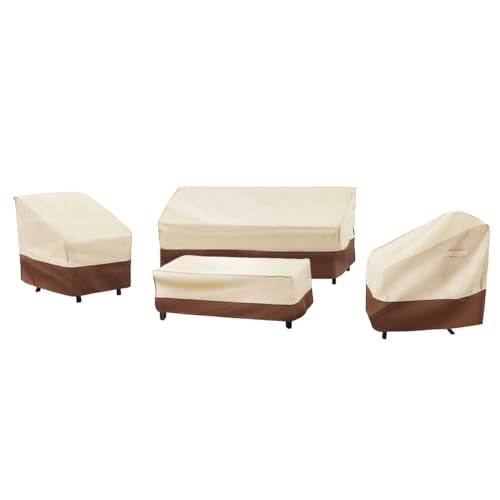


Consider relocating items to a garage, shed, or basement if possible. This not only provides protection from the elements but also minimizes wear and tear.
Use storage bins for cushions, pillows, and smaller accessories. Opt for waterproof options to keep everything dry and in prime condition for the following season.
Wooden items benefit from a protective finish. A good sealant or protective coating can help guard against cracking and warping caused by temperature fluctuations. Regularly inspect and touch up these finishes annually.
For metal structures, a rust-inhibiting spray can be effective in preventing corrosion. Apply this especially in areas where moisture is a concern.
Here’s a quick reference table for various materials and their required care:
| Material | Care Tips |
|---|---|
| Wood | Apply sealant; store in a sheltered area |
| Metal | Use rust-inhibiting spray; cover or store indoors |
| Plastic | Clean and store; avoid extreme temperatures |
| Fabric | Use waterproof storage; consider chemical treatments |
Lastly, regularly clear snow and ice accumulation from surfaces to prevent damage and maintain appearance. When spring arrives, your pieces will be ready for immediate enjoyment.
Choosing the Right Covers for Different Materials
For woven resin pieces, opt for breathable covers to prevent moisture build-up, as plastic can trap humidity and lead to mold. Look for covers with ventilation flaps or mesh panels for optimal airflow.
Wood and Metal Options
When it comes to wooden items, choose covers that provide a snug fit while allowing the wood to breathe. Avoid waterproof covers that may cause condensation. For metal items, seek out rust-resistant options with UV protection to keep surfaces from fading or corroding.
Fabric Choices
Invest in heavy-duty polyester or canvas for fabric items. These materials should be durable, tear-resistant, and treated to repel water. Ensure covers have secure ties or straps to prevent them from blowing away during storms.
Preparing Furniture for Winter Storage
Before storing my patio pieces, I always make sure to clean them thoroughly. For wooden structures, I scrub off dirt and mildew using a mild soap solution and a soft brush. After rinsing, I let them dry to prevent mold growth.
Disassemble When Possible
If feasible, I disassemble any modular units. This not only saves space but also prevents parts from getting damaged during storage.
Padded Wrapping Techniques
- For metal items, I use bubble wrap to cover sharp edges and prevent scratches.
- I apply furniture pads or blankets around glass surfaces for extra cushioning.
- In case of wicker, I wrap individual pieces to avoid tangling and crushing.
Storing in a climate-controlled area is my go-to. If that’s not an option, I select a dry, covered space to minimize exposure to moisture. I elevate items off the ground using pallets, ensuring air circulation and preventing direct contact with cold surfaces.
- I always keep smaller accessories, such as cushions or small decor, in sealed containers to keep them dry and safe.
- For metal items, I like to apply a protective wax or oil to inhibit rusting.
Finally, I make a quick inventory list of everything stored away. This helps in keeping track of all pieces when it’s time to set everything up again in the warmer months.
Cleaning Tips Before Covering Outdoor Furniture
Thoroughly clean each piece with a mild soap solution and a soft brush to remove dirt, grease, and mildew. Ensure to rinse well and let it dry completely.
For wooden items, consider using a wood cleaner to maintain the finish. After cleaning, apply a wood conditioner to nourish the surface and prevent cracking.
For metal components, check for rust. If present, sand it down and apply a rust-inhibiting primer followed by touch-up paint for protection. Wipe down with a suitable cleaner to eliminate any grease or grime.
Plastic chairs and tables benefit from a gentle scrub with a mixture of vinegar and water, effectively removing stains. Dry them in a sunny spot to prevent moisture buildup.
Pillows and cushions should be vacuumed to eliminate dust. Spot clean stains with a fabric-safe cleaner and allow them to air dry thoroughly before storage.
Lastly, check for loose screws or structural issues during the cleaning process, tightening or addressing them as needed before covering to ensure longevity.
Optimal Storage Solutions for Space-Saving
I recommend investing in stackable or foldable pieces as they minimize the required space significantly. Opt for chairs that can be neatly piled or tables with collapsible legs. This design not only optimizes storage but also facilitates ease of movement when necessary.
Consider utilizing vertical space by using wall-mounted racks for smaller items, such as cushions or lightweight tables. This approach keeps the ground area free, allowing for easy access and organization.
If you have a garage or shed, designating an area specifically for your items can be beneficial. Use storage bins or boxes to categorize pieces by type, ensuring you don’t misplace any elements come spring. Labeling these containers helps streamline retrieval.
For items that cannot be stacked, such as larger loungers or sectionals, using a protective tarp can help them remain in good shape while positioned closely together. Arranging furniture in a corner or against a wall can also free up floor space, creating a more organized look.
Utilizing a storage bench can serve dual purposes: providing seating while also acting as a storage solution. This can be particularly effective in smaller areas, where maximizing functionality is key.
Lastly, ensure air circulation around each item is maintained to prevent moisture buildup. Elevating pieces using pallets or blocks will allow airflow, minimizing the risk of mold or mildew when stored for an extended period.
Regular Maintenance Checks During Winter
I conduct maintenance inspections every few weeks during the colder months. This routine helps to identify any wear or damage that may worsen over time. I start by checking the integrity of the structure, looking for cracks, rust, or separation in joints.
Inspecting Protective Covers
While using covers is imperative, I ensure they remain in good condition. I examine each cover for tears or signs of wear. A damaged cover can expose my items to moisture and debris. If I find any issues, I repair or replace them immediately to maintain proper protection.
Monitoring Storage Environment
If I store my pieces indoors, I pay attention to humidity and temperature levels. High humidity can encourage mold growth, so I consider using dehumidifiers. Regularly checking for pests is crucial as well; I look for signs of infestation and take action if needed.
Signs Your Furniture Needs Replacement or Repair
Check for structural integrity. If you notice wobbly legs or cracked frames, it’s time to act. Inspect joints and connections for signs of damage. A thorough examination can save you from future costly repairs.
Visual Indicators of Wear
- Peeling paint or finish that exposes raw materials.
- Rusting hardware, indicating moisture intrusion.
- Faded colors from sun exposure, affecting aesthetics.
Functional Issues
- Seating materials sagging significantly or tearing at seams.
- Unpleasant odors, which can be a sign of mold or decay.
- Difficulty in assembling or disassembling, suggesting hardware failure.
Listen for strange noises. Creaking sounds can indicate loose parts, while noises during use might signal internal damage. Immediate inspection is recommended to assess whether repair or replacement is needed.
Consider the age of the product. If it surpasses its expected lifespan and exhibits multiple issues, replacement might be more practical than repair. Weigh the costs of maintenance against the price of a new investment.
FAQ:
What are some effective ways to protect outdoor furniture during the winter months?
One effective method is to cover your outdoor furniture with weather-resistant covers. This helps to shield them from snow, rain, and ice. Additionally, you can store furniture in a garage or shed for protection. If space is an issue, consider stacking smaller items or using storage bins. Another option is to ensure your furniture is well-maintained before winter; cleaning it and applying protective coatings can prevent damage from moisture.
Is it necessary to bring all outdoor furniture inside for the winter?
While it’s not strictly necessary to move all outdoor furniture indoors, it is advisable for items that are particularly vulnerable to cold and moisture, such as wooden pieces or cushions. Metal and plastic furniture can often withstand winter conditions better, but even these should be protected with covers. Assess each item’s material and condition to decide the best approach.
How can I prepare wooden outdoor furniture for winter storage?
To prepare wooden furniture, start by cleaning it with soap and water to remove dirt and grime. Allow it to dry completely before applying a protective sealant or oil to create a moisture barrier. For added protection, you can place a tarp beneath the furniture when storing it to keep moisture from the ground at bay. If possible, store pieces in a dry location to reduce exposure to dampness.
What materials are best for outdoor furniture if I want to minimize winter damage?
If minimizing winter damage is a priority, consider materials like aluminum, plastic, or resin wicker. These materials are generally more resistant to weather elements than wood, which can absorb moisture and warp. Stainless steel is another durable option. Each of these materials can withstand cold temperatures and do not require as much maintenance compared to wood.
Are there any specific storage tips for outdoor cushions during winter?
Yes, outdoor cushions should be cleaned and dried thoroughly before storage to prevent mold growth. Store them in a dry, ventilated area such as a storage bin or a dedicated cushion bag. If storage space is limited, consider using vacuum-seal bags to save space while protecting them from moisture. It’s best to keep them off the ground and away from direct contact with cold surfaces.
What are the best materials for outdoor furniture that can withstand winter conditions?
When selecting outdoor furniture for winter durability, consider materials such as aluminum, teak, and synthetic resin. Aluminum is lightweight and resistant to corrosion, making it a great option for harsh weather. Teak is naturally resistant to moisture and pests, which helps it withstand cold temperatures. Synthetic resin furniture is designed to mimic the look of wood while providing excellent resistance to the elements. Using these materials can significantly prolong the life of your outdoor furniture in winter conditions.
How should I prepare my outdoor furniture for winter storage?
To prepare your outdoor furniture for winter, start by cleaning each piece thoroughly to remove dirt and debris. For metal furniture, mild soap and water will suffice, while wood furniture may benefit from a specialized cleaner. After cleaning, ensure all furniture is completely dry to prevent mold or mildew growth. If possible, disassemble any pieces that can be taken apart, making storage easier. Finally, cover furniture with breathable tarps or specialized covers to protect against moisture. If you have space in a garage or shed, store the furniture indoors for maximum protection. Taking these steps will help maintain the integrity of your outdoor furniture during the colder months.


